
Early childhood is a critical period for brain development, learning, and social engagement. During these formative years, children rapidly acquire communication skills, emotional understanding, and behavioural issues that shape long-term functioning. When developmental differences such as autism spectrum conditions are identified early, timely intervention can significantly improve outcomes.
Autism is a neurodevelopmental condition that affects how a child communicates, interacts, and processes sensory information. While every child presents differently, early support plays a central role in helping children build essential life skills. Therapy is not about “changing” a child, but about supporting their development in a way that aligns with their unique strengths and needs.
Understanding Early Signs of Autism
Recognising early indicators allows families to seek support without unnecessary delay. Some children may show differences in eye contact, response to their name, or interest in social interaction. Others may have delayed speech, repetitive behaviours, or heightened sensitivity to sounds, textures, or lights.
It is important to note that these signs vary widely, and not all children will display the same patterns. Developmental screening and professional assessment help clarify whether these behaviours fall within typical variation or indicate the need for intervention.
The Importance of Early Intervention
Research consistently shows that early intervention leads to better developmental outcomes in children with autism. The brain’s plasticity during early childhood allows for more effective learning of communication, social, and adaptive skills.
Intervention at an early stage helps reduce the gap between developmental expectations and current functioning. It also equips parents with strategies to support their child’s growth in everyday interactions.
Therapy during early development focuses on building foundational skills rather than correcting behaviour. This includes improving communication, enhancing social engagement, and supporting emotional control.
Types of Autism Therapy for Young Children
Autism therapy is not a one-size-fits-all approach. A combination of evidence-based methods is often used depending on the child’s needs.
Behavioural therapy focuses on reinforcing positive behaviours and teaching new skills through structured techniques. Speech therapy supports communication, whether verbal or non-verbal. Occupational therapy addresses sensory processing, motor skills, and daily functioning.
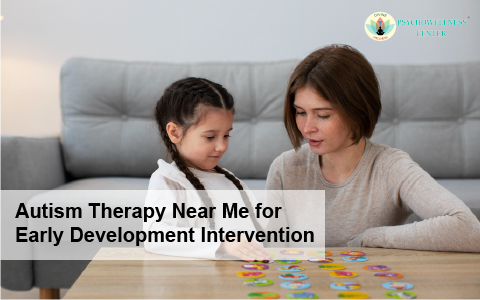
Play therapy is particularly effective in early childhood. They help children learn social interaction, turn-taking, and emotional expression naturally and engagingly.
The Role of Occupational Therapy
Occupational therapy is a key component of early intervention. It focuses on helping children develop the skills needed for daily life, including fine motor coordination, sensory regulation, and independence in routine activities.
Children with autism may experience sensory sensitivities that affect their ability to engage with their environment. Occupational therapy provides strategies to help them process sensory input more comfortably, improving attention, behaviour, and participation.
In early development, these skills form the foundation for learning, socialisation, and self-care.
Supporting Communication Development
Communication challenges are one of the most common concerns in autism. Some children may be non-verbal, while others may have difficulty with conversational skills, understanding social cues, or expressing emotions.
Therapy supports communication in multiple ways. This may include developing verbal language, using gestures, or introducing alternative communication systems where needed.
Early support in communication reduces frustration, enhances social connection, and supports overall development.
Parental Involvement in Therapy
Parents and caregivers play a central role in early intervention. Therapy is most effective when strategies are consistently applied in daily routines.
Professionals work closely with families to teach practical techniques that can be used at home. This may include structured play, communication prompts, or behavioural strategies.
Parental involvement not only reinforces learning but also strengthens the parent-child relationship, creating a supportive environment for growth.
Addressing Sensory and Behavioural Needs
Children with autism frequently have unique perspectives on the world. Sensory sensitivities can lead to discomfort, overstimulation, or avoidance behaviours. At the same time, difficulties with emotional regulation may result in meltdowns or withdrawal.
Therapy helps children gradually adapt to sensory input while respecting their boundaries. It also introduces coping strategies that support emotional regulation.
Understanding these needs reduces misinterpretation of behaviours and promotes more effective responses from caregivers and educators.
Long-Term Benefits of Early Intervention
Early intervention does not eliminate autism, but it significantly improves a child’s ability to navigate the world. Children who receive timely support often show improvements in communication, social interaction, and adaptive functioning.
These gains contribute to better academic readiness, increased independence, and improved quality of life. Early support also reduces stress for families by providing clarity, direction, and practical tools.
When to Seek Professional Support
Parents should consider seeking professional guidance if they notice persistent developmental delays or behavioural concerns. Even when uncertainty exists, an early consultation can provide reassurance or identify areas that may benefit from support.
Delaying intervention in the hope that a child will “grow out of it” can limit opportunities for early learning. Professional assessment ensures that children receive the support they need at the right time.
Conclusion
Early development intervention plays a vital role in supporting children with autism. With timely therapy, children can build communication, social, and adaptive skills that enhance their long-term development. A structured and compassionate approach ensures that each child’s unique strengths are recognised and nurtured.
Families exploring options such as Autism Center near me, autism therapy near me, autism therapy centre near me, autism therapist near me, or best Child psychologist in Delhi NCR may consider professional support from Psychowellness Center. Access to early, evidence-based intervention can make a meaningful difference in a child’s developmental journey and overall well-being.
To learn more, check out these videos on Psychowellness Center’s YouTube channel about Child Development and Speech Therapy!
Contributions: Dr. R.K. Suri, Clinical Psychologist, and Ms. Charavi Shah, Counselling Psychologist
References
- Dawson, G., Rogers, S., Munson, J., Smith, M., Winter, J., Greenson, J., Donaldson, A., & Varley, J. (2010). Randomized, controlled trial of an intervention for toddlers with autism: The Early Start Denver Model. Pediatrics, 125(1), e17–e23. https://doi.org/10.1542/peds.2009-0958
- Lord, C., Elsabbagh, M., Baird, G., & Veenstra-VanderWeele, J. (2018). Autism spectrum disorder. The Lancet, 392(10146), 508–520. https://doi.org/10.1016/S0140-6736(18)31129-2
- Rogers, S. J., & Dawson, G. (2010). Early start Denver model for young children with autism: Promoting language, learning, and engagement. Guilford Press.
- Zwaigenbaum, L., Bauman, M. L., Stone, W. L., Yirmiya, N., Estes, A., Hansen, R. L., McPartland, J. C., Natowicz, M. R., Choueiri, R., Fein, D., Kasari, C., Pierce, K., Buie, T., Davis, P. A., Newschaffer, C., Robins, D., Wetherby, A., & Stone, W. (2015). Early identification of autism spectrum disorder: Recommendations for practice and research. Pediatrics, 136(Supplement 1), S10–S40. https://doi.org/10.1542/peds.2014-3667C
- https://www.psychowellnesscenter.com/Blog/best-autism-treatment-centre-in-dwarka-delhi/
- https://www.psychowellnesscenter.com/Blog/autism-therapist-near-me-parent-guided-therapy-benefits/
- https://www.psychowellnesscenter.com/Blog/counsellors-near-me-for-autism-what-support-really-looks-like/
- https://www.psychowellnesscenter.com/Blog/best-aba-therapist-in-palam-delhi/