
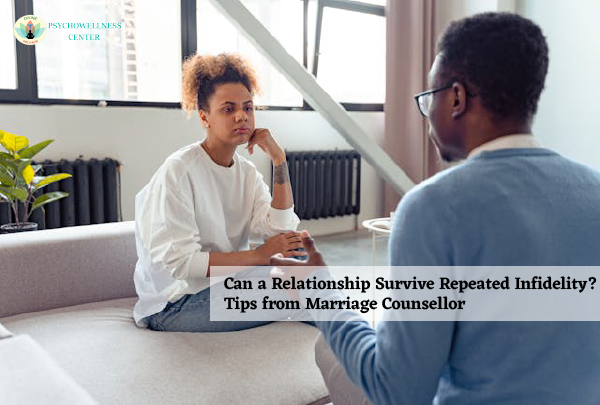
Trust is one of the most important foundations of a healthy partnership. When trust is broken through betrayal, it can deeply affect both individuals involved. Infidelity often leads to emotional pain, confusion, and uncertainty about whether the partnership can continue. Many couples struggle to decide if their relationship can survive after repeated betrayal, especially when the emotional wounds feel overwhelming. While healing from betrayal is challenging, some couples do rebuild their bond with the right support, communication, and commitment to change. Marriage counsellors often emphasise that recovery depends on both partners’ willingness to address the underlying causes of the problem and work toward rebuilding trust.
Understanding the Impact of Infidelity
Cheating & infidelity can take many forms, including emotional connections outside the partnership, physical betrayal, or secret communication with someone else. Regardless of the type, repeated infidelity often causes significant emotional distress for both partners. The partner who has been betrayed may experience intense anxiety, constantly worrying about whether the betrayal will happen again. These feelings can lead to constant doubt, mistrust, and fear of emotional vulnerability. At the same time, the betrayed partner may also feel strong anger, which is a natural reaction to feeling hurt or deceived. Anger may appear through arguments, resentment, or emotional withdrawal. If these emotions remain unresolved, they can intensify conflicts and further damage the bond between partners.
Why Repeated Infidelity Happens
Repeated betrayal often reflects deeper interpersonal problem patterns within a partnership. These problems may include poor communication, unmet emotional needs, unresolved resentment, or lack of emotional intimacy. Sometimes individuals engage in infidelity due to emotional disconnection, personal dissatisfaction, or even psychological factors such as low self-esteem or impulsive behaviour. In other cases, individuals may struggle with personal stressors or emotional exhaustion that contribute to unhealthy coping mechanisms. For some couples, long-term relationship stress can lead to emotional burnout, where both partners feel drained, disconnected, and unable to meet each other’s needs. This emotional fatigue may increase vulnerability to unhealthy behaviours that harm the partnership.
Emotional Consequences for Couples
When betrayal occurs multiple times, a couple conflicts often become more intense and frequent. Partners may argue about trust, transparency, and past mistakes, which can make it difficult to move forward. Emotional reactions may also become difficult to manage. Learning emotion control is essential during the healing process because intense emotional reactions can escalate arguments and prevent productive communication. Without proper coping strategies, repeated conflict can lead to emotional distance. One partner may withdraw from the relationship while the other continues to seek reassurance or confrontation.
Can a Relationship Survive Repeated Infidelity?
Although repeated betrayal significantly damages trust, some relationships can recover if both partners are committed to change. Rebuilding a partnership requires honesty, accountability, and consistent effort over time. The partner who engaged in the betrayal must take responsibility for their actions and demonstrate a genuine commitment to rebuilding trust. This may involve transparency, open communication, and addressing the behaviours that contributed to the problem. The partner who was hurt may also need support to process emotional pain and gradually rebuild trust. This process takes time and often requires guidance from a trained professional.
Role of Professional Counselling
Professional therapy can provide couples with a safe environment to discuss painful experiences and work toward healing. Through structured relationship counselling, partners can explore the reasons behind the betrayal and develop strategies to rebuild trust. Marriage counsellors often focus on improving communication skills, resolving unresolved conflicts, and strengthening emotional connections. Therapy also helps couples develop healthier ways of addressing disagreements without escalating arguments. Many individuals searching for support often look online for relationship counselling near me when they feel overwhelmed by repeated betrayal or trust issues. Professional guidance helps couples navigate emotional challenges while developing practical tools for rebuilding their bond.
Rebuilding Trust After Infidelity
Healing from repeated betrayal requires patience and consistent effort from both partners. Some strategies that counsellors often recommend include:
- Establishing honest and open communication
- Setting clear boundaries and expectations
- Practising empathy and understanding each other’s emotions
- Rebuilding emotional intimacy through shared experiences
- Focusing on personal growth and self-improvement
These steps help partners gradually rebuild trust and emotional safety within the relationship.
Seeking Professional Support in Delhi NCR
Couples facing serious relationship challenges can benefit from expert guidance at Psychowellness Center. Consulting the best relationship counsellor in Delhi NCR at Psychowellness Center helps couples navigate trust issues, emotional conflicts, and communication barriers with professional support. For those in West Delhi, connecting with the best relationship counsellor in Janakpuri at Psychowellness Center offers access to experienced therapists who specialize in addressing infidelity, relationship stress, and emotional distress. At Psychowellness Center, professional counselling provides a safe, supportive, and confidential environment where partners can openly share their concerns and work toward rebuilding trust and strengthening their emotional connection.
Conclusion
Repeated infidelity can deeply affect trust, emotional safety, and connection within a relationship. The emotional consequences often include anxiety, anger, and frequent conflicts that make it difficult for couples to move forward. However, with honesty, commitment, and professional guidance, some couples are able to rebuild their bond and create healthier relationship patterns. Marriage counselling offers valuable tools for improving communication, managing emotions, and addressing the underlying causes of betrayal. With patience and mutual effort, couples may find a path toward healing, growth, and renewed trust.
To learn more about cheating and infidelity in relationships, emotional well-being, and healthy coping strategies, you can explore helpful resources from the Psychowellness Center. Their skilled team of counselling psychologists offers individualised advice in person at Dwarka and Janakpuri, New Delhi (Contact: 011-47039812/7827208707) as well as online via TalktoAngel, providing couples dealing with emotional distress, relationship problems, and trust issues with convenient virtual counselling support. Professional counselling can help partners understand underlying concerns, rebuild trust, and develop healthier communication patterns for a stronger and more stable relationship.
To learn more about cheating, infidelity, and related relationship challenges, watch this relationship counselling video by Psychowellness Center. It offers insights into the psychological and emotional causes of infidelity, helps identify early signs of trust issues, and explains how counselling can support couples in improving communication, rebuilding trust, and managing emotional distress.
Contribution: Dr. R.K. Suri, Clinical Psychologist, and Ms. Mahima, Counselling Psychologist
REFERENCES
- Blow, A. J., & Hartnett, K. (2005). Infidelity in committed relationships I: A methodological review. Journal of Marital and Family Therapy, 31(2), 183–216.
- Gordon, K. C., Baucom, D. H., & Snyder, D. K. (2004). An integrative intervention for promoting recovery from extramarital affairs. Journal of Marital and Family Therapy, 30(2), 213–231.
- Snyder, D. K., Baucom, D. H., & Gordon, K. C. (2007). Getting past the affair: A program to help you cope, heal, and move on. Guilford Press.