
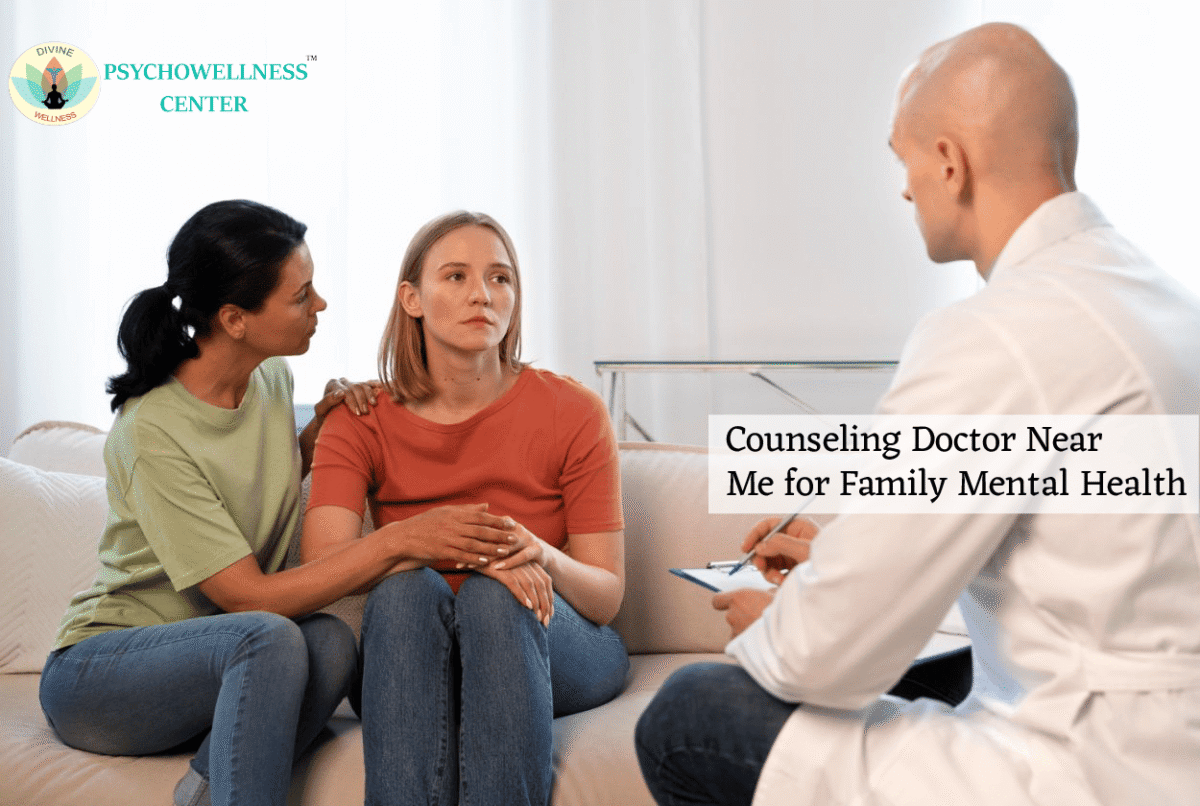
Family mental health is often overlooked until conflict, emotional distress, or behavioural concerns become difficult to ignore. Families function as interconnected emotional systems. When one member struggles, the impact is rarely isolated; it influences communication patterns, daily routines, and the overall emotional climate at home. Seeking professional support is not an indication of dysfunction. It is a considered and proactive step toward stability, clarity, and resilience. Many families begin searching for guidance when stress feels persistent rather than temporary. Counselling offers structured, evidence-based support that helps families navigate challenges collectively, instead of allowing individual struggles to silently shape the entire household.
Understanding Family Mental Health
Family mental health refers to the emotional and relational well-being of all members within the family unit. Daily pressures—professional demands, parenting responsibilities, academic expectations, caregiving roles, health concerns, or financial strain—can gradually disrupt balance.
When stress accumulates without resolution, it often appears in subtle but significant ways: communication breakdowns, irritability, withdrawal, behavioural shifts in children, or ongoing tension between partners. Addressing only one individual’s symptoms without understanding the broader relational context may provide short-term relief but rarely leads to sustainable change. A systemic perspective recognises that each family member both influences and is influenced by the emotional patterns within the home. Effective intervention, therefore, focuses on relationships as much as individual coping strategies.
When Families Should Consider Counselling
Families may benefit from counselling at various stages of life. Persistent arguments, emotional distance, repeated misunderstandings, or difficulty supporting a struggling member are common indicators that structured guidance may be helpful.
Major life transitions—relocation, bereavement, divorce, remarriage, new parenthood, adolescence, retirement, or chronic illness—can also place strain on family dynamics. Even positive transitions may require adjustment. Counselling creates a neutral and confidential space where concerns can be addressed collaboratively before they become entrenched patterns. Early intervention often prevents escalation. Families who seek support at the first signs of strain tend to experience more efficient and lasting outcomes.
The Role of a Counselling Doctor in Family Mental Health
A counselling doctor or psychologist trained in family systems works to identify interaction patterns that contribute to distress. Rather than assigning blame, therapy explores how communication styles, emotional reactions, and unmet needs shape the relational environment.
Sessions may involve the entire family or specific combinations of members, depending on the presenting concern. The aim is to improve emotional awareness, reduce defensiveness, and encourage healthier expression of needs. Structured techniques help families move from reactive exchanges toward constructive dialogue. At Psychowellness Center, family counselling is tailored to each household’s unique structure, concerns, and goals. The approach remains collaborative, practical, and grounded in established psychological frameworks.
Supporting Children Within the Family System
Children often communicate distress behaviourally rather than verbally. Academic decline, irritability, withdrawal, excessive screen use, or emotional outbursts may reflect broader stress within the family environment.
Family-focused counselling prevents children from being labelled as the sole source of difficulty. Instead, it examines contextual factors that may be contributing to their behaviour. Parents gain insight into developmental needs and learn strategies for responding with consistency and emotional attunement. This integrated approach supports both the child’s well-being and the stability of the broader family system.
Strengthening Parent-Child Relationships
Emotional availability, predictable boundaries, and respectful communication shape healthy parent-child relationships. When parents are overwhelmed or children feel misunderstood, connection may weaken.
Counselling helps parents recognise patterns that unintentionally escalate conflict, such as criticism, inconsistent responses, or avoidance. Simultaneously, children are supported in expressing emotions in age-appropriate ways. Improved understanding fosters greater empathy on both sides. Families frequently report that small changes in listening and response patterns can significantly reduce tension at home.
Addressing Marital Stress and Its Family Impact
Marital stress rarely remains confined to the couple. Even when conflict is not openly expressed, children often sense emotional strain. Over time, unresolved tension between partners can affect family cohesion and emotional security.
Family counselling may include focused work on couple communication, conflict management, and rebuilding trust. Strengthening the parental relationship often creates a more stable emotional foundation for children. By addressing relational stress proactively, families reduce the likelihood of chronic tension shaping long-term dynamics.
Managing Mental Health Conditions Within Families
When a family member experiences anxiety, depression, trauma, or behavioural challenges, others frequently adjust in ways that may not always be sustainable. Caregivers may experience burnout, siblings may feel overlooked, and misunderstandings can increase.
Family counselling provides psychoeducation about mental health conditions and equips members with coping strategies that reduce stigma and improve support. Structured guidance helps families develop routines that balance care with personal boundaries. This collective understanding reduces isolation and fosters shared responsibility for recovery.
Improving Communication and Conflict Resolution
Persistent conflict is often less about the issue itself and more about how the issue is communicated. Interruptions, defensiveness, emotional escalation, or withdrawal can prevent resolution.
Counselling introduces practical tools: reflective listening, emotion regulation strategies, assertive communication, and structured problem-solving. Families learn to separate behaviour from identity and to address concerns without personal attacks. When communication improves, many other concerns become easier to manage. Reduced reactivity creates space for collaborative solutions.
Creating Emotional Safety at Home
Emotional safety refers to an environment where individuals feel respected, heard, and free to express themselves without fear of humiliation or retaliation. Without this foundation, even minor disagreements can escalate. Family counselling identifies behaviours that undermine safety—sarcasm, criticism, stonewalling—and replaces them with healthier relational habits. Over time, consistent practice strengthens trust and emotional resilience. A home environment characterised by safety and mutual respect supports healthier development for both children and adults.
Conclusion
Family mental health flourishes when concerns are recognised early and addressed together. Seeking professional support reflects care, responsibility, and a genuine commitment to nurturing healthy relationships. Structured therapy helps improve communication, rebuild trust, and promote emotional balance across generations.
For those looking for trusted services such as a counselling doctor near me, the best psychologists in Delhi, or family counselling near me, Psychowellness Center (Contact: 011-47039812 / 7827208707), provides integrated, evidence-based care tailored to diverse family needs. Their experienced team supports children, couples, and families in creating stronger emotional foundations and healthier home environments. Additionally, individuals and families seeking flexible support can access professional online counselling through TalktoAngel, making quality mental health care accessible from the comfort of home.
Explore more here:
https://youtube.com/shorts/lcR5W2tt_b4?si=KMO0Sea7AbLXKAKI
https://youtu.be/c9hqAnrhalw?si=cN8lCArxPw4mgfap
Contribution: Dr. R.K. Suri, Clinical Psychologist, and Ms. Charavi, Counselling Psychologist
References
- Cox, M. J., & Paley, B. (2003). Understanding families as systems. Current Directions in Psychological Science, 12(5), 193–196. https://doi.org/10.1111/1467-8721.01259
- Goldenberg, H., & Goldenberg, I. (2013). Family therapy: An overview (8th ed.). Cengage Learning.
- Lebow, J. L. (2014). Couple and family therapy: An integrative map of the territory. American Psychological Association. https://doi.org/10.1037/14260-000
- Patterson, J. M. (2002). Integrating family resilience and family stress theory. Journal of Marriage and Family, 64(2), 349–360. https://doi.org/10.1111/j.1741-3737.2002.00349.x