
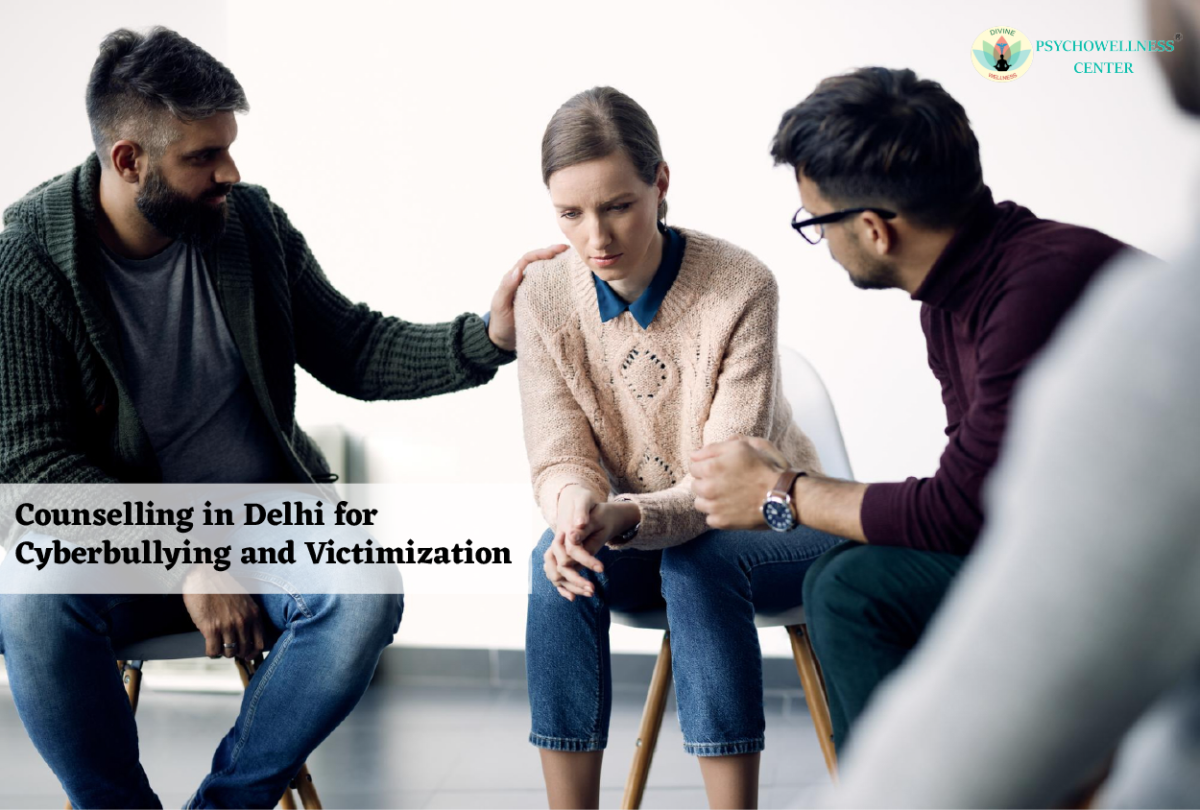
Cyberbullying has become one of the most concerning challenges in today’s digital age. Unlike traditional bullying, it does not stop at the school gate or workplace door. Hurtful messages, public humiliation, social exclusion, and online harassment can follow individuals everywhere through smartphones and social media platforms. Victims often feel overwhelmed, exposed, and powerless because the harmful content can spread rapidly and remain accessible online for long periods. As a result, many individuals experience emotional distress, fear of social judgment, and a deep sense of vulnerability. Counselling in Delhi is increasingly helping individuals cope with cyberbullying by providing emotional support, psychological tools, and practical coping strategies that empower victims to reclaim their confidence and mental well-being.
Understanding Cyberbullying in the Digital Era
Cyberbullying refers to intentional and repeated harm inflicted through digital platforms such as social media, messaging apps, gaming communities, and online forums. It can include sending threatening messages, spreading rumours, posting embarrassing images, impersonating others, or public shaming. Because the internet allows anonymity and rapid sharing, the impact of such harassment can escalate quickly. Victims often struggle to escape the situation, as the harassment may occur at any time of day. This constant exposure can lead to heightened Stress and emotional exhaustion. Individuals may feel constantly alert, checking their phones anxiously or worrying about what others might post about them next. Repeated negative comments or humiliation may damage a person’s self-worth, leading to low self-confidence and a persistent fear of judgment. Over time, individuals may start believing the harmful statements made about them online, which further deepens emotional distress.
Emotional and Psychological Effects of Cyberbullying
Cyberbullying not only affects emotions temporarily; it can significantly influence mental health and overall well-being. Many victims experience symptoms of anxiety and depression, where constant worry and sadness coexist. They may feel helpless, isolated, and uncertain about how to stop the harassment.
Another common outcome is social isolation. Victims may withdraw from online spaces, avoid social gatherings, or limit communication with peers due to embarrassment or fear of further humiliation. The digital world, which once served as a tool for connection, can begin to feel unsafe and hostile.
In severe cases, cyberbullying may contribute to deeper psychological trauma. Continuous exposure to online harassment may trigger symptoms associated with post-traumatic stress disorder, including intrusive thoughts, emotional distress, and heightened alertness. Individuals may replay hurtful incidents repeatedly in their minds or fear encountering the same individuals again online.
The Impact on Students and Young Adults
Children, adolescents, and young adults are particularly vulnerable to cyberbullying because of their frequent engagement with social media and digital communication platforms. When harassment occurs among peers, the emotional impact can be intense.
Students who experience cyberbullying often face work problems. Concentration may decline, academic performance may suffer, and motivation to attend school or participate in group activities may decrease. Victims may fear that classmates have seen the humiliating content posted about them, which intensifies embarrassment and anxiety.
In addition to academic difficulties, cyberbullying can disrupt healthy social development. Young individuals may struggle to form trusting friendships or engage in social activities because they fear being judged or mocked again.
Recognising the Warning Signs
Cyberbullying victims may not always openly discuss their experiences. However, certain behavioural and emotional signs can indicate that someone is struggling. These may include sudden withdrawal from social media, mood changes, reluctance to attend school or work, sleep disturbances, or increased irritability.
Some individuals may also develop symptoms of social anxiety, where they feel extremely uncomfortable interacting with others due to fear of embarrassment or criticism. They may avoid conversations, group settings, or public interactions because they anticipate negative judgments. Support from family members, teachers, and mental health professionals can help individuals address the emotional effects before they intensify.
The Role of Counselling in Healing from Cyberbullying
Professional counselling plays a critical role in helping victims process their experiences and regain emotional stability. Therapy offers a safe and confidential environment where individuals can express their feelings without fear of judgment.
Through structured sessions of psychological counselling, individuals learn to understand the emotional impact of cyberbullying and develop strategies to manage distress. Counsellors help clients challenge harmful beliefs they may have internalised during bullying experiences and guide them toward healthier perspectives.
One widely used therapeutic approach is Cognitive-behavioral therapy, which focuses on identifying negative thought patterns and replacing them with constructive thinking. For individuals affected by cyberbullying, cognitive behavioural therapy helps them reinterpret online harassment as a reflection of the bully’s behaviour rather than their own worth.
Another helpful approach is Dialectical behavioural therapy DBT, which focuses on emotional regulation and resilience. DBT techniques teach individuals mindfulness, distress tolerance, and effective coping strategies. These skills allow victims to manage intense emotions and respond to online harassment more calmly and confidently.
Building Resilience and Healthy Boundaries
Recovery from cyberbullying involves more than stopping the harassment; it requires rebuilding self-esteem and emotional resilience. Therapy helps individuals recognise their strengths and develop a more balanced perspective about themselves.
An important part of healing involves learning to establish healthy boundaries. Individuals who have experienced bullying may struggle with trust or assertiveness. Counsellors guide clients in developing communication skills that help them express their needs confidently and recognise supportive relationships.
Self-care practices also play an important role in recovery. Activities such as mindfulness, journaling, physical exercise, and relaxation techniques help reduce emotional stress and improve overall mental health. Over time, these practices help individuals reconnect with their sense of identity and confidence.
Creating a Safer Digital Environment
Preventing cyberbullying requires collective awareness and responsibility. Parents, educators, and communities must encourage respectful online behaviour and promote digital literacy among young users. Teaching individuals how to report harmful content, block abusive accounts, and seek support can help reduce the impact of online harassment.
Schools and workplaces are also increasingly implementing policies to address online harassment and protect individuals from digital abuse. These efforts help create safer environments where individuals feel supported and empowered to speak out against bullying.
Conclusion
Cyberbullying can have lasting emotional consequences, affecting self-esteem, mental health, and overall quality of life. Persistent online harassment can lead to stress, social anxiety, and emotional distress that interfere with relationships, academic progress, and professional growth. However, healing and recovery are possible with the right support and guidance.
Professional counselling helps individuals process their experiences, rebuild confidence, and develop healthier coping strategies. Through evidence-based approaches, individuals can learn to challenge negative beliefs, regulate their emotions, and regain control over their lives.
The Psychowellness Center (Contact: 011-47039812 / 7827208707), located in Dwarka Sector-17 and Janakpuri, New Delhi, provides specialised therapeutic care through personalised counselling approaches that address emotional regulation, stress management, and recovery from bullying experiences. For individuals searching for a psychologist near me, the best psychologist near me, or a counsellor near me, Psychowellness Center offers access to experienced professionals who help victims of cyberbullying rebuild confidence, emotional strength, and long-term psychological well-being. For those who prefer online support, platforms like TalktoAngel offer convenient and secure online counselling sessions with qualified professionals.
Dealing with a bully requires staying calm and confident. It is important to set clear boundaries and avoid reacting emotionally to their behaviour. Seeking support from friends, family, or teachers can help you handle the situation better. Talking to a trusted adult or counsellor can also help stop the bullying and protect your well-being.
Contribution: Dr. R.K. Suri, Clinical Psychologist, and Ms. Arushi Srivastava Counselling Psychologist
References
- American Psychiatric Association. (2022). Diagnostic and statistical manual of mental disorders (5th ed., text rev.). American Psychiatric Publishing.
- Kowalski, R. M., Limber, S. P., & McCord, A. (2019). A developmental approach to cyberbullying: Prevalence and protective factors. Aggression and Violent Behavior, 45, 20–32.
- Olweus, D. (2013). Bullying at school: What we know and what we can do. Wiley-Blackwell.
- Patchin, J. W., & Hinduja, S. (2020). Cyberbullying prevention and response: Expert perspectives. Routledge.
- Tokunaga, R. S. (2010). Following you home from school: A critical review of cyberbullying research. Computers in Human Behaviour, 26(3), 277–287.