
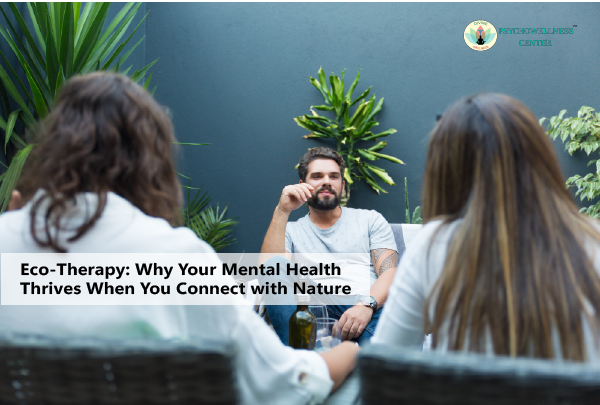
In an increasingly urbanised and digitally driven world, many individuals find themselves disconnected from natural environments. Long hours indoors, constant screen exposure, and fast-paced routines have gradually reduced everyday interaction with nature. At the same time, rising levels of stress, anxiety, and emotional fatigue have made mental health a growing concern. Eco-therapy, also known as nature-based therapy, offers a compelling psychological approach that emphasises reconnecting with the natural world to improve emotional well-being. Whether it involves walking in a park, gardening, or simply observing natural surroundings, spending time in nature has been shown to reduce stress, enhance mood, and improve cognitive functioning.
Mental health professionals often incorporate nature-based practices alongside structured interventions. Individuals seeking support through counselling may also be encouraged to integrate simple lifestyle changes—such as spending time outdoors—to support emotional regulation and mental clarity. Understanding how eco-therapy works from a psychological and neurological perspective reveals why connecting with nature is not just relaxing but essential for mental well-being.
Why Modern Lifestyles Disconnect Us from Nature?
Modern life often limits natural exposure. Urban environments, demanding work schedules, and reliance on technology have created routines that keep individuals indoors for most of the day. This reduced interaction with natural environments has subtle but significant psychological consequences. Research in environmental psychology suggests that limited exposure to nature can contribute to increased stress, mental fatigue, and reduced attention span. Natural environments provide sensory experiences—such as greenery, fresh air, and natural light—that help regulate emotional states.
When individuals spend prolonged periods in artificial environments, the brain remains in a state of heightened stimulation, which can contribute to cognitive overload. This may explain why people often feel mentally refreshed after spending time outdoors. Professionals specialising in stress management, anxiety counselling, and emotional well-being frequently observe how environmental factors influence psychological health.
The Psychology Behind Eco-Therapy
Eco-therapy is grounded in the idea that human beings have an inherent connection to nature, often referred to as biophilia. This concept suggests that people are naturally drawn to natural environments because they support survival, safety, and restoration. For example, attention difficulties such as in ADHD, eco therapy enhances focus through attention restoration in natural settings.
Psychologically, natural environments provide a sense of calm and reduce cognitive strain. Unlike urban settings filled with noise and constant stimuli, nature offers gentle sensory input that allows the brain to relax and recover. It is helpful with Trauma-related symptoms (PTSD) as it supports grounding, safety, and nervous system regulation (when used carefully) This restorative effect is particularly relevant for individuals experiencing anxiety, burnout, or emotional exhaustion. Engaging with nature can help reduce rumination, improve mood, and enhance emotional stability.
Therapeutic approaches such as stress management therapy often incorporate relaxation techniques that mirror the calming effects of natural environments. When combined with eco-therapy practices, these strategies can significantly improve mental health outcomes.
The Neuroscience of Nature and Emotional Regulation
The benefits of eco-therapy can also be explained through neuroscience. Exposure to natural environments has been shown to influence the brain’s stress response system, particularly by reducing activity in the amygdala, which is associated with fear and emotional reactivity. At the same time, nature exposure enhances activity in the prefrontal cortex, the area responsible for decision-making, attention, and emotional regulation. This shift allows individuals to process thoughts more calmly and respond to stress more effectively.
Additionally, spending time in nature can lower levels of cortisol, the body’s primary stress hormone. Reduced cortisol levels are associated with improved mood, better sleep, and enhanced cognitive functioning. These neurological changes explain why even brief interactions with nature—such as a short walk in a park—can have immediate psychological benefits.
Eco-Therapy vs Temporary Relaxation
It is important to distinguish eco-therapy from simple relaxation activities. While both may involve taking breaks or engaging in leisure, eco-therapy focuses specifically on intentional interaction with natural environments to support mental health. Temporary relaxation, such as watching television or scrolling through social media, may provide a short-term distraction but does not necessarily reduce cognitive overload or emotional stress. In contrast, eco-therapy engages sensory and neurological processes that actively restore mental balance.
This distinction highlights why nature-based practices are increasingly recommended in mental health care. Rather than merely escaping stress, eco-therapy helps individuals regulate emotional responses and restore cognitive clarity. Mental health professionals working in areas such as mindfulness therapy and emotional regulation often emphasise the importance of intentional engagement with calming environments.
The Role of Nature in Self-Awareness and Mindfulness
Nature not only reduces stress but also enhances self-awareness. When individuals spend time in natural environments, they are more likely to engage in reflective thinking and mindfulness. Natural settings encourage individuals to slow down, observe their surroundings, and become present in the moment. This mindful awareness helps reduce overthinking and promotes emotional clarity.
Practices such as mindful walking, breathing exercises in natural spaces, and journaling outdoors can deepen this experience. These techniques are often used in therapeutic settings to help individuals reconnect with their thoughts and emotions. Professionals offering counselling services may recommend mindfulness-based practices alongside traditional therapy to improve emotional regulation and self-awareness.
Integrating Eco-Therapy into Daily Life
Although spending time in nature may seem challenging in urban settings, eco-therapy can be integrated into daily routines through simple and accessible practices.
Effective ways to incorporate eco-therapy include:
- Taking short walks in parks or green spaces
- Spending time near natural light or indoor plants
- Practising mindfulness exercises outdoors
- Engaging in activities such as gardening or nature observation
These small changes can significantly improve emotional well-being when practised consistently. For individuals experiencing ongoing stress or emotional challenges, combining these practices with professional support can enhance their effectiveness. Seeking guidance from a therapist or exploring structured interventions can provide additional tools for managing mental health.
When Professional Support Enhances Healing
While eco-therapy offers valuable benefits, it may not address deeper psychological challenges on its own. Individuals experiencing chronic anxiety, depression, or emotional distress may require structured therapeutic support. Approaches such as Cognitive Behavioural Therapy (CBT) help individuals identify and modify thought patterns that contribute to stress and emotional difficulties. Similarly, family therapy can address interpersonal dynamics that influence mental well-being.
Mindfulness therapy and eco-therapy intersect through their shared focus on present-moment awareness and grounding. Mindfulness encourages individuals to consciously engage with their thoughts, emotions, and surroundings, while eco-therapy extends this awareness into natural environments. When practised together—such as mindful walking, observing nature, or sensory grounding outdoors—they enhance emotional regulation, reduce stress, and deepen one’s connection with both self and environment. Combining these therapeutic approaches with eco-therapy can create a holistic framework for mental health. For example, individuals may use nature-based practices to regulate emotions while working through deeper issues in therapy sessions.
Conclusion
Eco-therapy highlights a fundamental truth about human well-being: our mental health is deeply interconnected with the environments we live in. In today’s fast-paced, technology-driven world, the growing disconnection from nature has contributed significantly to rising stress, anxiety, and emotional fatigue. Reintegrating nature into daily life is not just beneficial—it is essential for restoring emotional balance and cognitive clarity.
By incorporating simple yet intentional practices such as mindful walking, spending time in green spaces, or engaging with natural surroundings, individuals can enhance emotional regulation and overall psychological resilience. However, for those experiencing persistent mental health concerns, combining eco-therapy with structured interventions can provide more comprehensive support. Consulting a psychologist in Delhi NCR can provide individuals with personalised strategies that integrate both environmental and psychological interventions.
To explore personalised strategies for improving emotional well-being, individuals can seek psychological counselling in Delhi from the best psychologist near me, through the Psychowellness Center. Their experienced team of professionals offers support for concerns such as stress, anxiety, and emotional imbalance through evidence-based approaches. Services are available both in-person at Dwarka and Janakpuri, New Delhi (Contact: 011-47039812 / 7827208707), as well as online via TalktoAngel, making mental health care accessible and flexible.
To further understand how environmental factors influence mental health, you can explore resources that focus on emotional regulation, mindfulness, and stress management. Topics such as Anxiety Management, Emotional Awareness, and the role of Mindfulness Therapy highlight how small lifestyle shifts can significantly impact overall well-being. With the right guidance and consistent practices, individuals can build a healthier relationship with both their environment and their inner emotional world.
Contributions: Dr. R.K. Suri, Clinical Psychologist, and Ms. Tina Dahiya, Counselling Psychologist
References
- Bratman, G. N., Hamilton, J. P., & Daily, G. C. (2012). The impacts of nature experience on human cognitive function and mental health. Annals of the New York Academy of Sciences, 1249(1), 118–136.
- Kaplan, S. (1995). The restorative benefits of nature: Toward an integrative framework. Journal of Environmental Psychology, 15(3), 169–182.
- Berman, M. G., Jonides, J., & Kaplan, S. (2008). The cognitive benefits of interacting with nature. Psychological Science, 19(12), 1207–1212.
- Ulrich, R. S. (1984). View through a window may influence recovery from surgery. Science, 224(4647), 420–421.
- Kabat-Zinn, J. (2015). Mindfulness. Mindfulness, 6(6), 1481–1483.