
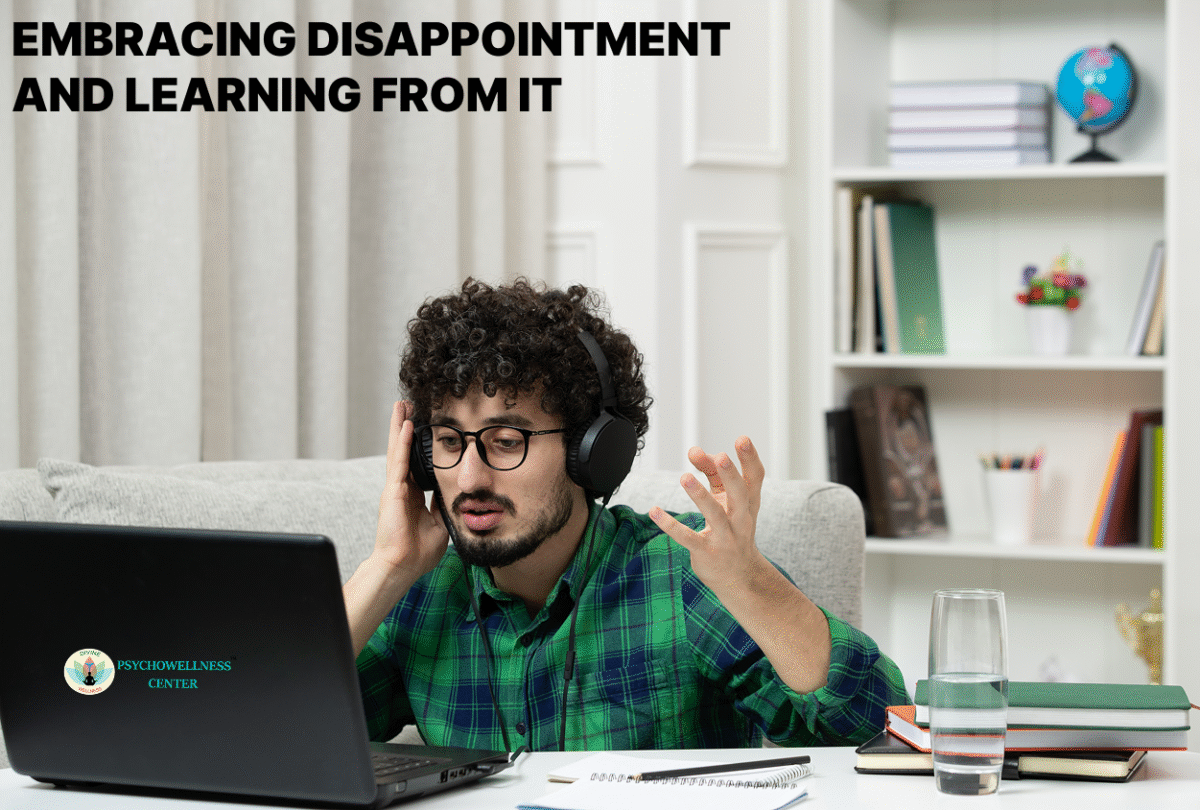
Disappointment is a universal experience that touches everyone at various points in life. Whether it stems from a missed opportunity, a failed relationship, or unmet expectations, the emotional weight can feel overwhelming. However, rather than viewing disappointment solely as a negative or defeating experience, we can begin to see it as a valuable opportunity for reflection, resilience, and growth. Embracing disappointment allows us to better understand our values, reassess our goals, and build emotional strength. In many cases, it can be the turning point that leads to deeper self-awareness and renewed purpose on our personal journey.
This gap between what we hoped for and what actually happened can lead to feelings of sadness, frustration, and even anger, anxiety & stress. It’s important to recognise that these feelings are natural and inherent to humanity.
The Role of Expectations
Often, our disappointment stems from unrealistic expectations. We might set high standards for ourselves and others, believing that these expectations are necessary for success. However, when reality doesn’t align with our dreams, we experience disappointment. Understanding that expectations are flexible can help us navigate this emotional landscape.
Cognitive Behavioural Therapy (CBT) teaches that reframing our thoughts can significantly alter our emotional responses. For instance, instead of thinking, “I failed because I’m not good enough,” we can shift our perspective to, “I didn’t succeed this time, but I can learn from the experience.” This shift in thinking not only alleviates the sting of disappointment but also cultivates a growth mindset.
The Transformative Power of Disappointment
While disappointment can be painful, it also holds the potential for transformation. Here are several ways we can learn from disappointment:
1.Self-Reflection
Disappointment often nudges us toward self-reflection. When things don’t go as planned, it’s an opportunity to evaluate our goals and desires. Ask yourself:
- What were my expectations?
- Were they realistic?
- What can I learn from this experience?
This process of introspection can help clarify our values and priorities, leading to more informed decisions in the future.
2.Resilience Building
Experiencing disappointment can strengthen our resilience. Each time we face setbacks, we have the chance to develop coping strategies that prepare us for future challenges. Resilient people are more capable of dealing with stress and challenges. By embracing disappointment, we can build a toolkit of skills that enhance our ability to bounce back.
3.Cultivating Empathy
Disappointment can also foster empathy. When we experience our own struggles, we become more compassionate toward others facing similar challenges. This shared understanding can deepen our relationships and create a sense of community. As we support others through their disappointments, we also reinforce our own emotional well-being.
4.Motivation for Change
Sometimes, disappointment acts as a catalyst for change. It can prompt us to reassess our goals and take action to pursue new opportunities. For instance, if a job application doesn’t pan out, it may inspire us to explore a different career path or develop new skills. Embracing disappointment encourages us to view setbacks as stepping stones to success rather than insurmountable obstacles.
Strategies for Embracing Disappointment
To make the most of our disappointments, consider these practical strategies:
1.Acknowledge Your Feelings
It’s essential to allow yourself to experience disappointment. Repressing feelings may result in increased turmoil in the future. The first stage in the recovery process is to recognise your feelings as legitimate. Keeping a journal can serve as an effective way to handle your emotions and gain insight.
- Seek Support:-Feel free to contact friends, family, or a qualified therapist. Sometimes, just knowing that others have faced similar disappointments can be incredibly validating.
- Practice Self-Compassion:-Show kindness to yourself in difficult moments. Rather than participating in negative self-dialogue, cultivate self-kindness. Remember that all individuals face disappointment, and it does not determine your value. Techniques such as mindfulness and loving-kindness meditation can help cultivate a more compassionate inner dialogue.
- Focus on the Future:-While it’s essential to process your emotions, try not to dwell on the past. Focus on what you can learn from the situation and how you can apply those lessons moving forward. Setting new goals and developing an action plan can help shift your mindset from one of disappointment to one of determination.
Conclusion
Disappointment is an inevitable part of life, but it doesn’t have to define us. When we choose to embrace it rather than resist it, we open the door to self-reflection, growth, and deeper understanding. It’s not the setback itself, but how we respond to it, that shapes our future. If you find yourself struggling to navigate these moments alone, reaching out for support can make all the difference. Talking to someone—whether a trusted friend, family member, or the best psychologist near me—can help turn disappointment into a powerful stepping stone toward personal development and emotional resilience. Learn from the experience, grow through it, and permit yourself to move forward stronger than before.
Contribution:- Key insights are shared by Clinical Psychologist Dr. R.K. Suri and Counselling Psychologist Ms. Swati Yadav in this article.
References:
Neff, K. D. (2011). Self-Compassion: The Proven Power of Being Kind to Yourself. New York: William Morrow.
Seligman, M. E. P. (2011). Flourish: A Visionary New Understanding of Happiness and Well-Being. New York: Free Press.
Beck, J. S. (2011). Cognitive Behavior Therapy: Basics and Beyond. New York: Guilford Press.