
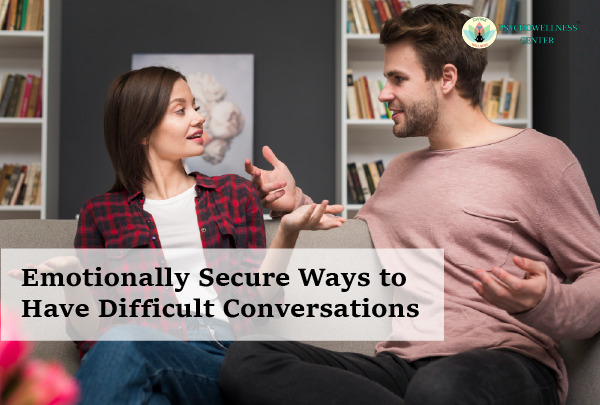
Human partnerships will inevitably involve difficult topics. Whether it involves addressing misunderstandings with a partner, discussing concerns with family members, or resolving conflicts at work, these conversations can feel uncomfortable and emotionally charged. Many people avoid such discussions because they fear conflict, rejection, or hurting someone’s feelings. However, avoiding important conversations can lead to misunderstandings, resentment, and unresolved emotional tension.
Learning emotionally secure ways to communicate during difficult conversations can strengthen relationships and promote emotional well-being. When individuals develop healthy communication skills, they can express their thoughts respectfully while also listening with empathy. In many cases, individuals seek professional guidance from a Counseling Center Near me to learn effective strategies for managing difficult conversations and improving interpersonal relationships.
Why Difficult Conversations Feel Challenging
Difficult conversations often involve strong emotions such as anger, fear, disappointment, or vulnerability. These emotions can trigger defensive reactions, making it harder to communicate clearly. When people feel threatened or misunderstood, they may raise their voice, become passive-aggressive, or shut down completely.
Past experiences and personal insecurities can also influence how individuals handle challenging discussions. For example, someone who has previously experienced criticism or rejection may feel anxious about expressing their feelings openly. Seeking guidance from a Psychologist near me can help individuals understand their communication patterns and learn how to approach emotionally sensitive conversations in a constructive way.
The Importance of Emotional Security in Communication
Emotional security refers to the ability to express thoughts and feelings in a safe and respectful manner without fear of judgment or hostility. When both individuals in a conversation feel emotionally secure, they are more likely to listen attentively and respond thoughtfully Emotionally secure communication promotes mutual understanding, trust, and empathy. Instead of focusing on winning an argument, the goal becomes finding solutions and strengthening the relationship.
Many individuals consult a Counseling Doctor Near me to learn practical communication strategies that help them navigate sensitive conversations while maintaining emotional balance.
Prepare Before Starting the Conversation
One of the most effective ways to handle difficult conversations is to prepare beforehand. Taking time to reflect on the purpose of the discussion can help individuals communicate more clearly and avoid unnecessary conflict.
Ask yourself questions such as:
- What is the primary problem I wish to solve?
- What outcome am I hoping for?
- How might the other person feel about this topic?
Preparing mentally allows individuals to approach the conversation calmly rather than reacting impulsively. Practicing emotional awareness can reduce misunderstandings and encourage respectful dialogue.
Choose the Right Time and Environment
Timing and environment play an important role in how conversations unfold. Discussing sensitive issues when someone is tired, stressed, or distracted may lead to unproductive arguments. Choose a calm and private setting where both individuals feel comfortable and have enough time to talk without interruptions. Creating a supportive environment can make it easier for both parties to express their feelings openly. Mental health professionals often emphasize the importance of these factors when individuals seek guidance from a counseling psychologist near me to improve communication skills.
Use “I” Statements Instead of Blame
Blaming language can quickly escalate conflicts. The other person may feel threatened and defensive when you say things like “You never listen to me” or “You always ignore my feelings.” People can convey their emotions without placing blame by using “I” phrases. This approach focuses on personal emotions rather than accusing the other person. It encourages understanding and reduces defensive reactions.
Practice Active Listening
Active listening is one of the most important skills for emotionally secure communication. It involves giving the speaker full attention, acknowledging their feelings, and responding thoughtfully.
Effective active listening includes:
- Maintaining eye contact
- Avoiding interruptions
- Reiterating what the other person said
- Asking clarifying questions
When individuals feel heard and understood, they are more likely to respond calmly and engage in productive dialogue. Professional counselling often focuses on strengthening active listening skills to help individuals improve communication in personal and professional relationships.
Manage Emotional Reactions
During difficult conversations, emotions can sometimes become overwhelming. People may feel anger, frustration, or sadness when discussing sensitive topics. Learning to manage these emotional reactions is essential for maintaining respectful communication. Taking a pause, breathing deeply, or stepping away briefly can help individuals regain emotional control before continuing the discussion. Emotional regulation allows individuals to respond thoughtfully rather than reacting impulsively. Therapists often teach emotional regulation techniques to individuals seeking professional support for communication and relationship challenges.
Focus on Solutions Instead of Winning
Many conflicts escalate because individuals focus on proving themselves right rather than resolving the issue. However, healthy communication focuses on collaboration and problem-solving. Instead of arguing about who is correct, both individuals can work together to find a solution that respects each other’s needs and perspectives. This approach promotes mutual respect and strengthens trust within the relationship. Developing a solution-oriented mindset can significantly improve how individuals handle disagreements and conflicts.
Be Open to Feedback and Compromise
Healthy communication requires openness to different perspectives. Even if individuals strongly believe in their viewpoint, being willing to listen and consider the other person’s feelings is essential. Compromise is often necessary in relationships. Being flexible and willing to adjust expectations can help create balanced and respectful interactions. Professional counselling can help individuals develop these skills by providing guidance on empathy, perspective-taking, and effective negotiation.
The Role of Counselling in Improving Communication
For many individuals, communication patterns develop over years of personal experiences and family dynamics. Some people may struggle with expressing emotions, while others may have difficulty listening without becoming defensive. Counselling provides a supportive environment where individuals can explore these patterns and learn healthier ways to communicate. Mental health professionals use evidence-based techniques to help individuals develop emotional awareness, conflict resolution skills, and effective communication strategies. With professional support, individuals can learn to approach difficult conversations with confidence, empathy, and emotional stability. Counselling enhances communication by helping individuals understand emotional triggers and build self-awareness using evidence-based approaches like CBT. Practicing mindfulness in communication supports calm, clear responses, while healthy boundaries in relationships promote respectful and balanced interactions. With professional guidance, individuals develop emotional control, reduce stress, and strengthen communication skills for healthier relationships.
Conclusion
Difficult conversations are a natural part of relationships, but handling them with emotional security can strengthen understanding and trust. By preparing beforehand, using respectful communication techniques, practicing active listening, and managing emotional reactions, individuals can transform challenging discussions into opportunities for growth and connection.
Individuals seeking support for communication challenges or relationship difficulties can access professional counselling services Psychowellness Center, in Janakpuri and Dwarka Sector 17, Delhi. These centers offer confidential therapy sessions with experienced mental health professionals. Appointments and inquiries can be made by calling 011-47039812 / 7827208707, allowing individuals to receive professional guidance and emotional support.
Additionally, TalktoAngel is a trusted online counselling platform that connects individuals with qualified psychologists for confidential therapy sessions. Through both in-person and online counselling services, individuals can access the support they need to improve emotional well-being and interpersonal relationships.
Contribution: Dr. R.K. Suri, Clinical Psychologist, and Ms. Tanu Sangwan, Counselling Psychologist
References
- Beck, J. S. (2011). Cognitive behavior therapy: Basics and beyond (2nd ed.). Guilford Press.
- Gottman, J. M., & Silver, N. (2015). The seven principles for making marriage work. Harmony Books.
- Linehan, M. M. (2015). DBT skills training manual (2nd ed.). Guilford Press.
- Rogers, C. R. (1961). On becoming a person: A therapist’s view of psychotherapy. Houghton Mifflin.
- Tatkin, S. (2012). Wired for love: How understanding your partner’s brain can help you defuse conflict and build a secure relationship. New Harbinger Publications.
- https://www.psychowellnesscenter.com/Blog/professional-tips-to-communicate-with-an-avoidant-partner/