
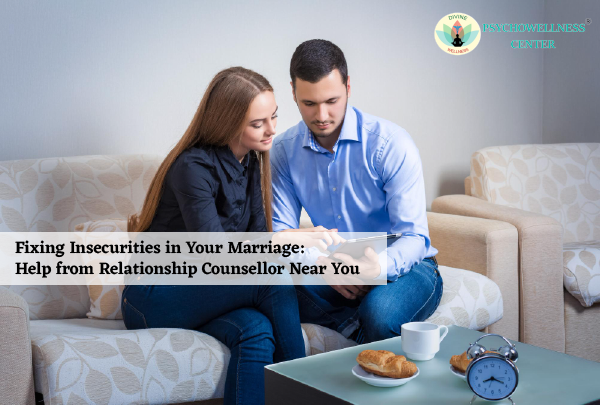
Marriage is a partnership built on trust, emotional safety, and mutual understanding. However, even strong relationships can experience periods of insecurity. These insecurities may appear as constant doubts, fear of abandonment, jealousy, or the feeling that one partner is not valued enough. Over time, such emotional patterns can create distance between partners and affect the overall harmony of the relationship. Addressing insecurities within marriage requires self-awareness, honest communication, and sometimes professional support to help couples rebuild trust and emotional stability.
Understanding Insecurities in Marriage
Insecurities in marriage often arise when individuals feel uncertain about their value in the relationship or worry about losing their partner’s affection. These feelings may stem from past experiences, childhood attachment patterns, or previous relationship disappointments. When left unaddressed, insecurities can grow into persistent Relationship problems that affect communication and emotional closeness. For example, one partner may constantly seek reassurance, while the other may feel pressured or misunderstood. This cycle can gradually create emotional strain and misunderstandings between partners. Instead of strengthening the relationship, repeated doubts may lead to frustration and emotional withdrawal.
Common Signs of Insecurity in Marriage
Insecurities often manifest through behaviours that reflect fear or uncertainty. Some common signs include frequent jealousy, constant questioning of a partner’s loyalty, or the need for excessive reassurance. In some relationships, insecurity may also appear as controlling behaviours or emotional dependence. Such patterns can gradually lead to Unstable Relationships, where both partners feel emotionally drained. The partner experiencing insecurity may feel unheard or neglected, while the other partner may feel unfairly judged or restricted. Identifying these patterns early helps couples address the root causes before they grow into deeper conflicts.
Emotional Impact on Couples
When insecurities dominate a marriage, they can affect both partners’ emotional well-being. The partner experiencing insecurity may struggle with persistent self-doubt, while the other partner may feel frustrated or overwhelmed by repeated accusations or emotional pressure. Over time, unresolved insecurities may contribute to emotional challenges such as stress, anxiety, trauma, and depression, especially if partners feel trapped in cycles of conflict and misunderstanding. Emotional distance may grow, and couples might begin to question the stability of their relationship. However, insecurities are not permanent obstacles. With the right guidance and effort, couples can learn to manage these emotions and rebuild trust.
Why Communication Matters
Healthy communication plays a crucial role in resolving insecurities within marriage. Many conflicts arise not from the insecurity itself but from how partners express or respond to those feelings. For example, instead of expressing vulnerability directly, a partner might react with criticism or blame. This defensive approach can intensify misunderstandings and create emotional barriers. Professional relationship counselling helps couples develop healthier communication patterns. Relationship counsellors guide partners to express emotions openly and listen to each other without judgment. When couples feel heard and validated, trust gradually begins to rebuild.
Exploring the Root Causes of Insecurity
Every individual carries emotional experiences that influence their behaviour in relationships. Insecurities often originate from deeper concerns such as fear of rejection, past emotional wounds, or feelings of inadequacy. Working with experienced relationship counselors allows individuals to explore these emotional patterns in a supportive environment. Understanding the root cause of insecurity helps partners respond with empathy rather than defensiveness. Through marriage counselling, individuals can learn healthier ways to manage emotions and build stronger emotional connections with their partner.
Therapeutic Approaches That Help Couples
Counselling sessions often incorporate evidence-based therapeutic approaches that help couples address insecurities effectively. One widely used approach is Cognitive-behavioral therapy, which focuses on identifying and changing negative thought patterns. For instance, a partner who constantly worries about being abandoned may learn to challenge these thoughts and develop more balanced perspectives about the relationship. Another helpful approach is emotionally focused therapy, which focuses on strengthening emotional bonds between partners. This method encourages vulnerability and emotional openness, helping couples reconnect on a deeper level. Some therapists may also use Motivational interviewing techniques to encourage couples to reflect on their relationship goals and commit to positive behavioural changes.
Building Trust and Emotional Security
A strong marriage is built on trust. Rebuilding trust after periods of insecurity requires patience, honesty, and consistent effort from both partners. Counsellors often encourage couples to practice small but meaningful actions that demonstrate reliability and emotional intimacy. These actions might include regular conversations, expressing appreciation, or making time for shared experiences. Developing healthy relationships and boundaries is also essential. Boundaries allow partners to respect each other’s individuality while maintaining emotional closeness. When both partners feel respected and valued, insecurities gradually begin to fade.
The Role of Self-Awareness and Personal Growth
While couple counselling focuses on improving the partnership, individual growth also plays an important role in overcoming insecurity. Each partner must reflect on their own emotional responses and take responsibility for personal development. Practising self-awareness allows individuals to recognise triggers that lead to jealousy or doubt. Over time, learning emotional regulation techniques can help partners respond calmly rather than react impulsively during conflicts. Personal growth also helps individuals develop stronger self-esteem, which naturally strengthens the relationship.
Seeking Professional Support
In many cases, couples try to address insecurities on their own but may find themselves repeating the same arguments without resolution. Professional guidance can offer a fresh perspective and structured strategies to improve the relationship. Individuals often begin their search for support by looking for a relationship therapist near me who specialises in marital issues. These professionals provide tools that help couples communicate effectively, manage emotional triggers, and rebuild trust.
Creating a Stronger and More Secure Marriage
Overcoming insecurities is not about eliminating all fears but learning to handle them constructively. Couples who work together to address emotional concerns often discover deeper understanding and stronger emotional intimacy. Simple practices such as open conversations, expressing gratitude, and prioritising quality time can significantly strengthen the marital bond. When both partners commit to emotional growth and mutual support, the relationship becomes more resilient. Marriage thrives when partners choose empathy over criticism and understanding over assumptions.
Conclusion
Insecurities in marriage can create emotional distance, misunderstandings, and recurring conflicts if left unaddressed. However, they also offer couples an opportunity to understand each other’s emotional needs more deeply and strengthen their relationship through honest communication and mutual support. Through relationship counselling and supportive therapeutic approaches such as Cognitive-behavioral therapy, Dialectical behavioural therapy, and acceptance-based approaches, couples can learn to identify the root causes of insecurity and develop healthier ways to respond to emotional challenges. Professional guidance helps partners rebuild trust, improve communication, and establish healthy relationships and boundaries that support long-term emotional stability. By embracing patience, empathy, and personal growth, couples can transform insecurity into an opportunity for deeper connection and a stronger, more secure marriage.
The Psychowellness Center (Contact: 011-47039812 / 7827208707), with locations in Dwarka Sector-17 and Janakpuri, New Delhi, provides specialised therapeutic care through personalised counselling approaches that support couples in overcoming insecurities, strengthening communication, and rebuilding trust in their marriage. For individuals searching for a marriage counselor near me, these services offer professional guidance to address relationship concerns and emotional challenges effectively. Additionally, for those seeking flexible access to care, online platforms like TalktoAngel connect individuals and couples with experienced psychologists who provide relationship guidance and emotional support. Together, these evolving counselling options offer renewed hope, making compassionate and personalised relationship support more accessible than ever.
Contribution: Dr. R.K. Suri, Clinical Psychologist, and Ms. Arushi Srivastava, Counselling Psychologist
References
- Gottman, J., & Gottman, J. (2017). The Seven Principles for Making Marriage Work. Harmony Books.
- Johnson, S. (2019). Attachment Theory in Practice: Emotionally Focused Therapy with Individuals, Couples, and Families. Guilford Press.
- Beck, J. (2020). Cognitive Behavior Therapy: Basics and Beyond. Guilford Press.
- Lebow, J. (2019). Couple and Family Therapy: An Integrative Map of the Territory. American Psychological Association.
- Nichols, M. (2020). Family Therapy: Concepts and Methods. Pearson Education.
- https://www.psychowellnesscenter.com/Blog/subtle-sign-of-unprocessed-trauma-affecting-your-marriage/