
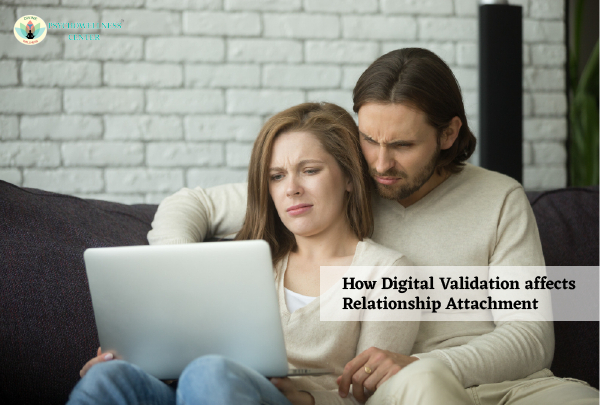
In the digital age, relationships are increasingly influenced by online interactions. Social media platforms, messaging applications, and digital communication have become central to how people express affection, attention, and connection. One concept that has gained importance in modern relationships is digital validation, the sense of approval or emotional reassurance people receive through likes, comments, messages, and online engagement. While these interactions may seem small, they can significantly influence how individuals feel about themselves and their romantic relationships.
Digital validation can shape emotional closeness, relationship satisfaction, and attachment patterns between partners. When people begin to rely heavily on online responses for reassurance, it may influence their emotional security and create challenges in maintaining healthy relationship attachment.
Understanding Digital Validation
Digital validation refers to the emotional reassurance individuals receive from online interactions. In romantic relationships, this may include frequent texting, responding quickly to messages, liking posts, commenting on photos, or publicly acknowledging the relationship on social media. These actions can provide a sense of recognition, affection, and emotional connection.
For many individuals, these digital gestures symbolize care and attention from their partner. However, when digital validation becomes the primary source of reassurance in a relationship, it can create unrealistic expectations and emotional dependency on online communication.
Relationship Attachment in the Digital Era
Attachment theory explains how individuals form emotional bonds and seek security in relationships. In modern relationships, digital communication has become a major tool through which people seek reassurance and emotional closeness.
Individuals with secure attachment may view digital communication as a supportive addition to their relationship without relying on it for constant reassurance. However, individuals with anxious attachment may frequently check messages, worry about delayed replies, or interpret online behavior as signs of rejection or loss of interest. On the other hand, those with avoidant attachment may prefer limited communication and feel overwhelmed by constant digital interaction.
Because digital communication lacks tone, facial expressions, and emotional nuance, misunderstandings can occur easily. A delayed response, an unread message, or lack of online engagement can sometimes be misinterpreted as emotional withdrawal.
The Psychological Effects of Seeking Digital Validation
When individuals rely heavily on digital validation, it can affect both their emotional well-being and relationship dynamics. The constant need for online reassurance may increase relationship anxiety, where individuals repeatedly check their phones, worry about response times, or feel distressed when communication patterns change.
This dependency may also contribute to low self-esteem, especially if someone measures their worth through online reactions or attention from their partner. When digital responses are inconsistent, individuals may start questioning their attractiveness, value, or importance in the relationship.
In some situations, excessive focus on digital validation may also contribute to stress and emotional exhaustion. Individuals may feel pressure to maintain an ideal image online or continuously monitor their partner’s online activities. Over time, this can create feelings of insecurity and mistrust within the relationship.
How Social Media Influences Relationship Attachment
Social media platforms have introduced new dynamics into romantic relationships. Public displays of affection, relationship status updates, and shared photos can influence how partners perceive commitment and emotional closeness. For some individuals, these public gestures serve as reassurance that the relationship is valued and acknowledged.
However, comparing relationships online can sometimes create unrealistic expectations. Seeing other couples frequently posting affectionate photos or messages may lead individuals to believe their own relationship is lacking. This comparison can increase dissatisfaction and insecurity, even when the relationship itself is healthy.
Recognizing Healthy vs. Unhealthy Digital Dependence
Healthy digital communication supports relationships without replacing real emotional connection. Partners who communicate openly and trust each other are less likely to feel distressed by occasional delays in messages or limited social media activity.
Unhealthy digital dependence occurs when emotional security becomes strongly tied to online interactions. Individuals may feel anxious if their partner does not immediately respond to messages or may interpret social media behavior as proof of commitment or rejection. Recognizing these patterns is important for maintaining emotional balance.
Building Secure Attachment in the Digital Age
Developing healthy relationship attachment in the digital era requires focusing on real emotional connection rather than constant online validation. Open communication about expectations around texting, social media engagement, and personal boundaries can help reduce misunderstandings.
Couples who spend meaningful time together offline, communicate honestly about their feelings, and respect each other’s space often develop stronger emotional bonds. Trust and emotional availability are far more important for relationship stability than digital gestures or public displays of affection.
Professional Support for Relationship and Attachment Issues
For some individuals, the need for digital validation may stem from deeper emotional concerns such as insecurity, past relationship trauma, or attachment difficulties, which can influence how they seek reassurance and connection in relationships. In such situations, professional relationship counseling and couple counseling can help individuals better understand their emotional needs, improve communication patterns, and develop healthier relationship behaviors. The Psychowellness Center, located in Dwarka Sector-17 and Janakpuri, offers professional psychological counseling near me for individuals facing relationship challenges, emotional insecurity, anxiety, and attachment-related concerns. Experienced best relationship counselors in India at the center work with individuals to strengthen emotional awareness and build healthier interpersonal connections. For appointments or professional support, individuals can contact 011-47039812 or 7827208707. For those who prefer flexible and accessible support, TalktoAngel also provides online counseling sessions, allowing individuals to receive professional psychological guidance from the comfort of their homes.
Conclusion
Digital validation has become an important part of modern relationships, influencing how individuals seek reassurance and emotional connection. While online interactions can strengthen communication, excessive dependence on digital validation may create anxiety, insecurity, and unhealthy attachment patterns.
Building strong relationships requires trust, emotional availability, and meaningful communication beyond the digital world. By focusing on genuine connection, maintaining healthy boundaries with technology, and seeking professional guidance from best relationship psychologists when needed, individuals can develop secure and fulfilling relationships in the digital age.
Contribution: Dr. R.K. Suri, Clinical Psychologist, and Ms. Sakshi Dhankhar, Counselling Psychologist
References
https://www.psychowellnesscenter.com/service-relationship-issues-counselling-delhi/
https://yasmindelrosarioofficial.medium.com/waiting-for-love-6d8fc540ed06
https://www.psychowellnesscenter.com/Blog/category/personal/relationship/page/5/
American Psychological Association. (2020). Building healthy relationships in the digital age. American Psychological Association.
Levine, A., & Heller, R. (2010). Attached: The new science of adult attachment and how it can help you find—and keep—love. TarcherPerigee.
Finkel, E. J., Simpson, J. A., & Eastwick, P. W. (2017). The psychology of close relationships: Fourteen core principles. Annual Review of Psychology, 68, 383–411.
Valkenburg, P. M., & Peter, J. (2011). Online communication and adolescent well-being: Testing the stimulation versus the displacement hypothesis. Journal of Computer-Mediated Communication, 16(2), 200–209.
Perel, E. (2017). The state of affairs: Rethinking infidelity. HarperCollins.