
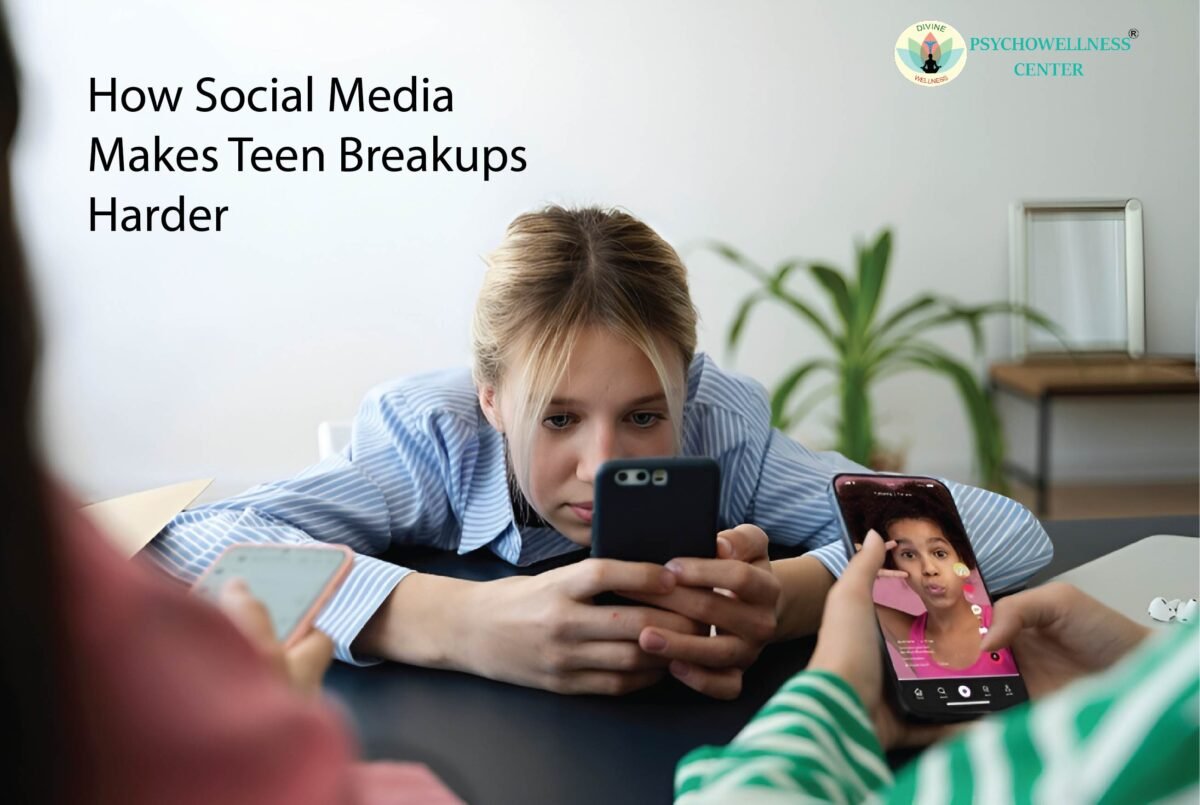
Breakups have always been difficult for teenagers, but the digital world has added layers of complexity that make emotional recovery far more challenging. Today, heartbreak doesn’t simply unfold in private spaces like bedrooms, school hallways, or conversations with close friends. Instead, it plays out under the persistent gaze of social media platforms that never seem to forget. This constant digital presence can intensify feelings of stress, leaving teens overwhelmed in ways previous generations never had to navigate.
The Digital Amplification of Emotional Pain
For teens going through heartbreak, social media becomes a magnifying glass that heightens their emotional experience. The natural sadness and confusion following a breakup can rapidly escalate into anxiety, especially when teens are confronted with a constant flow of their ex’s updates, new friendships, or interactions. Even mundane posts can feel like emotional triggers, igniting spirals of trauma in those who are already emotionally fragile.
This environment is fertile ground for deeper emotional struggles. The inability to escape reminders of a past relationship often leads to depression, which may show up as withdrawal, lack of motivation, or intense rumination. Anger also finds its digital reflection. Teens may experience spikes of anger when they see their ex moving on, engaging with others, or posting content that appears designed to provoke jealousy. Even if these interpretations are exaggerated or inaccurate, the emotional reaction is very real.
Social media also fuels behavioural habits that border on addiction. Teens may compulsively refresh feeds, stalk profiles, or revisit old messages. This constant checking prevents emotional closure and ties their sense of worth to digital interactions. The breakup becomes a loop—one that the brain, conditioned by reward dopamine responses, struggles to break.
When Home Life and Health Begin to Suffer
Heartbreak impacts more than emotions; it affects daily functioning and relationships at home. For teens already managing a family problem, a breakup can feel like the final blow. They may become distant, irritable, or overwhelmed, which contributes to emotional burnout. Academic performance declines, friendships become strained, and extracurricular interests fade.
Teens typically rely on internal resilience to bounce back from emotional setbacks, but social media weakens that resilience by keeping them in a constant state of comparison and digital exposure. Without healthy coping mechanisms, emotional pain begins to manifest physically. Many experience headaches, stomach discomfort, fatigue, or weakened immunity—clear signs that physical health is intertwined with emotional strain.
Social media’s 24/7 nature also enhances feelings of loneliness. Even though teens are surrounded by online connections, they often feel isolated when scrolling through posts that portray others as happier, more fulfilled, or more socially active. This illusion of perfection makes heartbreak sting even more.
Parents may notice mood swings, irritability, or withdrawal, but many struggle with modern parenting challenges. It’s difficult for them to understand the intensity of digital heartbreak when they didn’t experience it themselves. In extreme cases, some teens develop symptoms similar to ptsd if the breakup involved manipulation, online humiliation, or public conflict. The digital footprint of these experiences makes it difficult to move on, as reminders and comments can reappear months later.
Body Image, Communication, and Digital Pressure
Social media encourages a culture of comparison, which deeply affects body image—especially after a breakup. Teens may wonder if their appearance was a reason for their relationship ending, becoming overly critical of their looks. Seeing their ex interact with others who seem more attractive or confident online reinforces insecurities. Breakups also expose underlying interpersonal challenges. Teens who already experience some degree of communication disorder may find it even harder to express emotions or seek support. The pressure to present a “perfect” image online can discourage vulnerability, leading them to bottle up emotions instead of processing them.
Another factor that worsens emotional turmoil is dependence—not only emotional dependence on their ex, but also dependence on social media for validation, distraction, and self-worth. This dependence makes the breakup feel like a digital withdrawal. Adding to this emotional cocktail is the ever-present fear of missing out. Teens see their ex at gatherings, events, or parties and assume life is improving for everyone but them. Even if the posts are curated or exaggerated, the impact feels genuine.
The Ripple Effect on Sleep, Health, and Daily Life
Digital heartbreak often disrupts basic wellness habits, especially sleep. Teens stay awake scrolling through old messages, analyzing posts, or waiting for notifications from their ex. Blue light exposure, combined with emotional arousal, prevents restful sleep. Over time, this chronic lack of sleep contributes to physical issues, sometimes even raising the risk of hypertension in vulnerable individuals. With sleep disrupted, emotional regulation becomes much harder. Teens may react impulsively, misinterpret social cues, or lash out at peers and family members. The overall imbalance makes it difficult to engage in healthy future relationship dynamics or focus on self-improvement. Healing becomes a slow and messy journey.
The Importance of Getting the Right Support
In the midst of digital chaos, healing requires connection, guidance, and emotional tools. Modern therapy provides a safe space where teens can unpack their feelings, understand their reactions, and learn healthier coping strategies. Because the stigma around therapy is gradually decreasing, more teens are open to seeking help.
For those who find in-person therapy intimidating or inaccessible, online therapy can be a powerful alternative. It offers privacy, convenience, and flexibility. Speaking with a trained counsellor helps teens articulate their struggles, while structured counselling sessions give them practical ways to rebuild self-esteem and emotional strength. A supportive therapist can guide them beyond heartbreak, helping them gain perspective and develop resilience.
Conclusion
Teen breakups are inherently painful, but social media deepens that pain by keeping emotional wounds constantly open. Between digital reminders, comparison culture, and the pressure to maintain an online persona, teens often struggle to find the emotional space they need to heal. Understanding the digital dimension of heartbreak allows parents, educators, and communities to offer more informed and compassionate support. Recovery is still possible—it simply requires empathy, healthy boundaries, and the right tools to navigate a world where the past is always one tap away.
In many cases, professional support can play a vital role in helping teens process emotional distress after a breakup. Connecting with a relationship counsellor or seeking counselling in Delhi can provide a safe, non-judgmental space for teens and families to work through emotional challenges. For parents searching for a therapist near me or couple counselling near me to address family strain that may arise during this period, Psychowellness Centre offers specialized guidance tailored to adolescent emotional needs. With timely intervention, teens can rebuild resilience, self-esteem, and healthier coping strategies.
Contribution: Dr. R.K. Suri, Clinical Psychologist, and Ms. Drishti Rajore, Counselling Psychologist
Explore more – https://youtube.com/shorts/bZNqhchZJmU?si=bKHIqp40EESz8wrj
https://youtube.com/shorts/PI751E3icj8?si=CU1Brbp2-sGh3qFS
https://youtu.be/c9hqAnrhalw?si=iXWyfx6N5lAsXb0R
REFERENCES
- Boyes, A. (2022). The psychology of breakups in the digital age. Psychology Press.
- Frison, E., & Eggermont, S. (2020). Toward an integrated and differential approach to the relationships between loneliness, different types of Facebook use, and adolescents’ depressed mood. Communication Research, 47(5), 701–728. https://doi.org/10.1177/0093650215617506
- Lenhart, A. (2015). Teens, social media & technology. Pew Research Center. https://www.pewresearch.org
- Nesi, J., Choukas-Bradley, S., & Prinstein, M. J. (2018). Transformation of adolescent peer relations in the social media context: Part 1—A theoretical framework and application to dyadic peer relationships. Clinical Child and Family Psychology Review, 21(3), 267–294. https://doi.org/10.1007/s10567-018-0261-x