
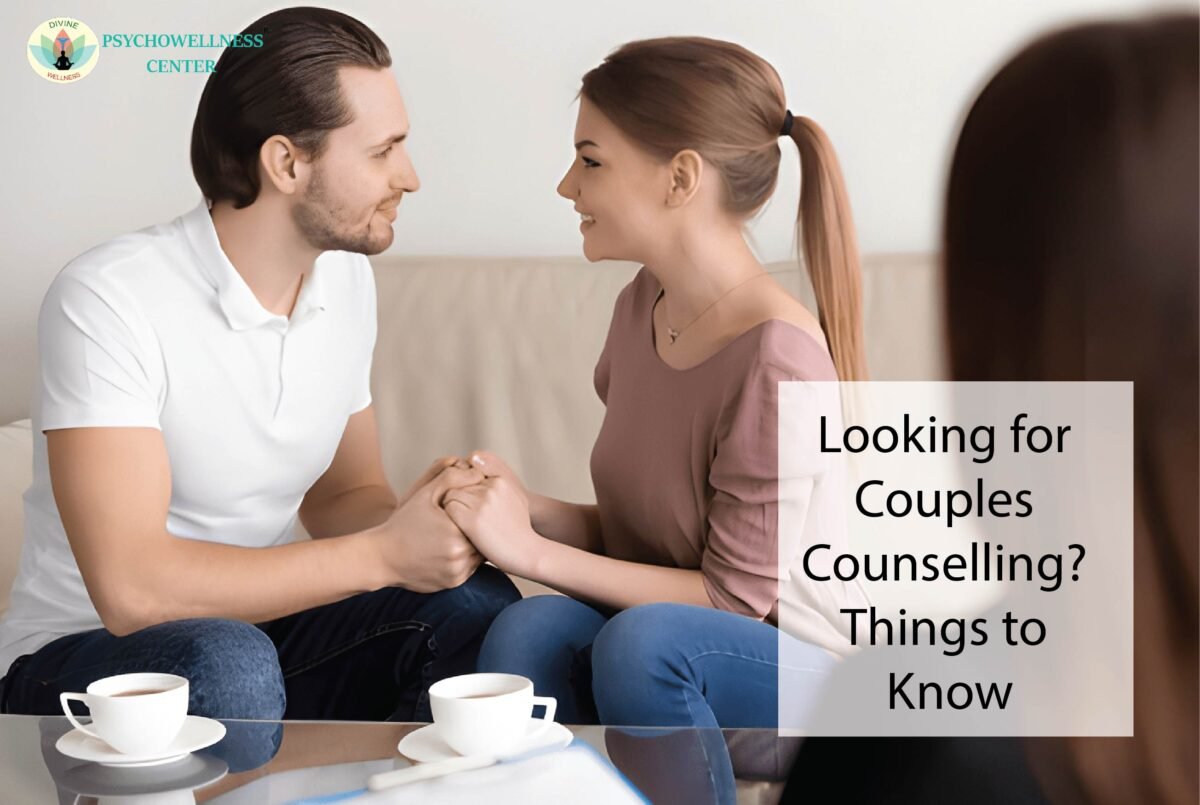
Relationships are built on connection, communication, and shared understanding. Yet even strong relationships can experience periods of emotional distance, recurring conflict, or unresolved tension. When challenges persist despite repeated efforts to fix them, many couples begin to consider counselling. Couples counselling is not a sign of failure; it is a proactive step toward strengthening the relationship and improving emotional well-being for both partners.
If you are considering couples counselling, understanding what it involves and what to expect can help you approach the process with clarity and confidence.
What Is Couples Counselling?
Couples counselling is a form of psychotherapy designed to help partners understand their relationship dynamics, improve communication, resolve conflicts, and rebuild emotional connection. It provides a structured and neutral space where both individuals can express concerns, feelings, and needs without fear of judgment or escalation.
A trained therapist works with the couple to identify patterns that contribute to distress and helps develop healthier ways of relating to one another. The focus is not on assigning blame, but on fostering insight, empathy, and collaborative problem-solving.
Common Reasons Couples Seek Counselling
Couples enter therapy for many reasons, and not all of them involve major crises. Some common concerns include:
- Persistent communication problems
- Frequent arguments or unresolved conflicts
- Emotional distance or lack of intimacy
- Trust issues, including infidelity or secrecy
- Differences in values, parenting styles, or life goals
- Stress related to work, finances, or family pressures
- Getting used to life changes like getting married, having kids, or moving
Many couples also seek counselling not because their relationship is “breaking,” but because they want to strengthen their bond and prevent future issues.
When Is the Right Time to Start?
There is no “perfect” moment to begin couples counselling, but early intervention often leads to better outcomes. Waiting until resentment has built up or communication has completely shut down can make the process more challenging.
Counselling can be helpful if:
- Conversations often turn into arguments
- Issues are repeatedly avoided rather than resolved
- One or both partners feel unheard or misunderstood
- Emotional or physical intimacy has declined
- You feel stuck in the same negative patterns
Starting therapy early allows couples to address concerns before they become deeply entrenched.
What Happens in Couples Counselling Sessions?
In most sessions, a therapist meets with both partners. In the initial sessions, the therapist gathers background information about the relationship, identifies key concerns, and helps set shared goals for therapy.
Over time, sessions may focus on:
- Improving communication and listening skills
- Identifying emotional triggers and underlying needs
- Understanding each partner’s perspective
- Developing healthier conflict-resolution strategies
- Rebuilding trust and emotional safety
Some therapists may occasionally meet with each partner individually, depending on the situation and therapeutic approach.
Therapeutic Approaches Used in Couples Counselling
Couples counselling draws from various evidence-based approaches, depending on the couple’s needs. Commonly used models include:
- Emotionally Focused Therapy (EFT): emphasizes enhancing connection security and emotional ties.
- Cognitive Behavioral Therapy (CBT): helps in recognizing and altering harmful thought and behavior patterns
- Gottman Method: Emphasizes communication skills, conflict management, and relationship strengths
- Solution-Focused Therapy: Concentrates on practical goals and achievable changes
A skilled therapist may integrate multiple approaches to create a tailored intervention plan.
What Couples Counselling Is, and Is Not
Understanding what counselling can and cannot do is important.
Couples counselling is:
- A collaborative and supportive process
- A space for honest and respectful dialogue
- A tool for gaining insight and building skills
Couples counselling is not:
- About choosing sides or declaring a “winner”
- A quick fix or instant solution
- A guarantee that the relationship will continue
In some cases, counselling may help couples decide how to separate respectfully rather than stay together in distress. The goal is emotional clarity and psychological well-being.
The Role of Commitment and Openness
Successful couples counselling requires willingness from both partners to engage honestly. Progress depends on openness, self-reflection, and a readiness to take responsibility for one’s role in the relationship dynamics.
It is normal for sessions to feel uncomfortable at times, especially when discussing sensitive topics. However, discomfort often signals that meaningful work is happening.
Consistency, patience, and practice outside therapy sessions are key to lasting change.
Online vs. In-Person Couples Counselling
With the growing availability of online therapy, couples now have flexible options for seeking support. Online counselling from TalktoAngel can be especially helpful for:
- Busy schedules or long-distance partners
- Couples living in different locations
- Those who feel more comfortable talking from home
In-person counselling, on the other hand, may offer a deeper sense of connection for some couples. The choice depends on comfort, accessibility, and individual preferences.
How to Choose the Right Couples Therapist
Selecting the right therapist is crucial. Consider the following:
- Professional qualifications and experience in couples therapy
- Use of evidence-based approaches
- A neutral, non-judgmental stance
- Comfort level for both partners
It is acceptable to ask questions or even change therapists if the fit does not feel right.
At Psychowellness Center, couples counselling is approached with clinical sensitivity, ethical care, and evidence-based therapeutic frameworks. Our experienced Best Relationship Counselor near me works with couples to address emotional distance, communication breakdowns, trust concerns, and long-standing relational patterns in a safe and structured environment. Whether couples are navigating early relationship stress, long-term disconnection, or major life transitions, therapy is tailored to their unique emotional needs and relationship goals.
With centers located in Janakpuri and Dwarka Sector-17, Psychowellness Center offers in-person relationship counselling, ensuring accessibility, confidentiality, and continuity of care. Seeking professional support from the Best relationship Counselor in Delhi early can prevent emotional disengagement from deepening into chronic dissatisfaction. Couples counselling is not about assigning blame, it is about fostering insight, emotional safety, and healthier relational functioning. With guided therapeutic support, couples can move toward greater understanding, connection, and psychological well-being.
Conclusion
Seeking couples counselling is not a sign of weakness; it reflects a desire to understand, grow, and care for the relationship. Whether you are navigating conflict, emotional distance, or major life transitions, counselling offers a structured path toward clarity and connection.
Healthy relationships are not free of challenges; they are built through awareness, communication, and mutual effort. With the right support, couples can rediscover emotional closeness, strengthen trust, and move forward with greater understanding and resilience.
Contribution: Dr. R.K. Suri, Clinical Psychologist, and Ms. Charavi Shah, Counselling Psychologist
References
American Psychological Association. (2023). Couples therapy. https://www.apa.org/topics/couples-therapy
Beck, A. T. (2011). Cognitive behavior therapy: Basics and beyond (2nd ed.). Guilford Press.
Gottman, J. M., & Silver, N. (2015). The seven principles for making marriage work (Revised ed.). Harmony Books.
Halford, W. K., Snyder, D. K., & Pepping, C. A. (2010). Couple therapy: A new perspective for treating depression and anxiety. Journal of Family Therapy, 32(1), 19–33. https://doi.org/10.1111/j.1467-6427.2010.00493.x
Lebow, J. L., Chambers, A. L., Christensen, A., & Johnson, S. M. (2012). Research on the treatment of couple distress. Journal of Marital and Family Therapy, 38(1), 145–168. https://doi.org/10.1111/j.1752-0606.2011.00249.x
Whisman, M. A., & Baucom, D. H. (2012). Intimate relationships and psychopathology. Clinical Child and Family Psychology Review, 15(1), 4–13. https://doi.org/10.1007/s10567-011-0107-2
https://www.psychowellnesscenter.com/service-relationship-issues-counselling-delhi/
https://www.psychowellnesscenter.com/Blog/best-marriage-counsellor-in-dwarka-sector-16-dwarka-delhi/
https://www.psychowellnesscenter.com/best-marriage-counselling-near-me/delhi-ncr/
https://www.psychowellnesscenter.com/Blog/why-to-choose-couples-therapy
https://www.psychowellnesscenter.com/Blog/top-and-leading-couple-counsellors-in-dwarka-delhi/
https://www.psychowellnesscenter.com/Blog/best-relationship-marriage-counseling-in-delhi-ncr/
https://www.psychowellnesscenter.com/Blog/best-marriage-counsellor-in-dwarka-sector-11-dwarka-delhi/