
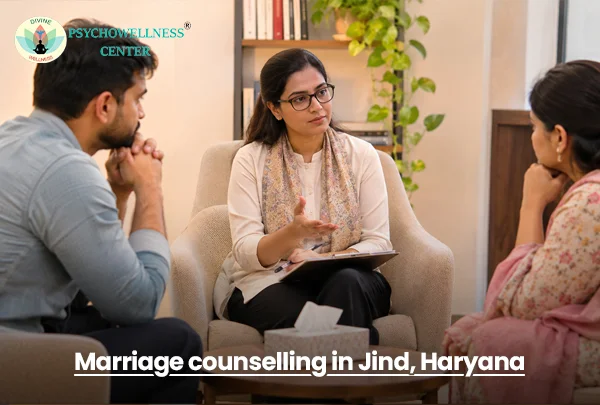
Every marriage goes through difficult phases. Maybe you argue over the same issue again and again, or you share a home but barely talk. Maybe trust has been shaken, and you don’t know how to repair it. If any of this sounds familiar, you are not failing as a couple. You are facing a very human challenge. Marriage counselling in Jind gives couples a calm, structured space to understand what is going wrong and learn how to fix it together.
When Should Couples Consider Marriage Counselling in Jind?
Most couples wait far too long before seeking help. Many assume that a good marriage should work itself out, or they worry about what family and neighbours will think. In reality, early support often prevents small cracks from turning into lasting damage.
You may want to speak with a relationship therapist in Jind if you notice any of these signs:
- You keep having the same argument without any resolution
- Conversations feel like walking on eggshells
- One or both of you have stopped sharing feelings or daily details
- Trust has broken because of secrecy, lies, or infidelity
- You feel more like roommates than partners
- Disagreements about money, family, or parenting keep escalating
- One partner has started thinking about separation
Is Marriage Counselling Only for Couples on the Verge of Divorce?
No. This is one of the most common myths. Counselling works at every stage, whether you are newly married and adjusting to each other, raising children, or dealing with long-term relationship problems built up over many years.
Marriage counselling for long-term relationship problems is especially useful because old patterns run deep. A trained professional can help you spot cycles you can no longer see from the inside, such as one partner pursuing while the other withdraws.
Why Do Communication Problems Develop in Marriage?
Communication rarely breaks down overnight. It wears away slowly, usually through everyday habits that seem harmless at first.
Common causes include:
- Assumptions: “He should know how I feel by now.”
- Defensiveness: Hearing feedback as an attack instead of information.
- Stress overload: Work pressure, financial worries, and family responsibilities leave little energy for real conversation.
- Different communication styles: One partner talks things out immediately, while the other needs time to think.
- Unspoken resentment: Small hurts pile up until every talk feels loaded.
Over time, couples stop listening to understand and start listening only to reply or defend themselves.
How Can Couples Develop Healthier Communication Patterns?
Good, effective communication is a skill, and like any skill, it can be learned. Here are practical steps you can begin today:
- Use “I” statements. Say “I feel ignored when we don’t talk in the evening” instead of “You never talk to me.”
- Practise reflective listening. Repeat back what you heard before responding: “So you’re saying you felt unsupported. Is that right?”
- Pick the right moment. Avoid serious discussions when either of you is tired, hungry, or rushed.
- Stick to one topic. Bringing up old grievances turns a small issue into a large fight.
- Take a pause when needed. A 20-minute break can stop a heated exchange from becoming a hurtful one.
Try setting aside 15 minutes each day for a phone-free conversation. It sounds simple, but couples who do this consistently often notice a real shift within weeks.
What Can Couples Do When They Feel Emotionally Disconnected?
This is one of the most searched questions, and for good reason. Emotional distance can feel lonelier than being single. Many partners say, “We aren’t fighting, but we aren’t close either.”
Emotional intimacy is the feeling of being seen, heard, and valued by your partner. When it fades, physical closeness and daily cooperation usually suffer too.
Practical Ways to Rebuild Closeness
- Notice the small moments. Respond warmly when your partner shares something, even something minor. Closeness is built in these small exchanges.
- Ask better questions. Instead of “How was your day?”, try “What was the hardest part of your day?”
- Share appreciation. Tell your partner one specific thing you value about them each day.
- Create shared rituals. A morning cup of tea together, an evening walk, or a weekly meal without screens can bring back a sense of “us.”
- Be vulnerable first. Sharing a worry or fear gently invites your partner to do the same.
- Seek guidance if you feel stuck. A counsellor can help uncover what created the distance in the first place.
How Can Marriage Counselling Help Rebuild Trust?
Marriage counselling helps rebuild trust by giving both partners a safe, guided environment to talk about the hurt. Trust is damaged by many things, including infidelity, hidden finances, broken promises, and emotional betrayal.
Rebuilding usually involves:
- Honest acknowledgement from the partner who broke trust, without excuses
- Space for the hurt partner to express pain without being rushed to “move on”
- Clear, realistic agreements about transparency and boundaries
- Consistent follow-through over time, because trust returns through reliable actions rather than words
Recovery takes patience, and progress is rarely a straight line. With commitment from both sides and professional guidance, many couples do rebuild a stronger and more honest relationship.
How Can Couples Manage Anger and Frustration in Marriage?
Anger itself is not the problem. It is a signal that something matters or feels unfair. The trouble starts when anger comes out as shouting, sarcasm, silence, or blame.
Two skills make the biggest difference here: emotional regulation and conflict management skills.
What Is Emotional Regulation?
Emotional regulation means recognising your feelings and responding to them thoughtfully instead of reacting on impulse. It does not mean suppressing emotions. It means choosing how to express them.
Try this when you feel your temper rising:
- Notice the physical signs. A racing heart, tight jaw, or clenched fists are early warnings.
- Pause. Say, “I need a few minutes. I will come back to this.”
- Breathe slowly. Inhale for four counts and exhale for six.
- Name the feeling. Is it anger, or is it hurt, fear, or feeling ignored?
- Return and talk. Come back to the conversation once you feel calmer
Conflict Management Skills Every Couple Needs
- Focus on the problem, not the person
- Avoid words like “always” and “never”
- Never use threats of separation as a weapon
- Look for a compromise instead of trying to win
- Apologise sincerely when you have hurt your partner
Marriage counselling helps couples resolve conflicts by teaching these skills in real time. Your counsellor can guide you through live disagreements and show you healthier ways to respond.
How Can Couples Overcome Differences in Expectations?
Many marital problems come from mismatched expectations that were never discussed. These might involve household roles, finances, career decisions, time with extended family, parenting approaches, or how much personal space each person needs.
In many Indian households, family expectations add another layer. Pressures from in-laws, traditions, and social comparisons can quietly strain a couple’s bond.
Here is how to work through it:
- Make the hidden visible. Each partner writes down their top five expectations from the marriage, then compares lists.
- Separate “needs” from “preferences.” Some things are essential, and others are flexible.
- Negotiate openly. Look for solutions that respect both views instead of one person always giving in.
- Set boundaries with extended family kindly but clearly. United decisions as a couple reduce outside tension.
- Revisit expectations regularly. People and circumstances change, and agreements should too.
A neutral third party can make these conversations far easier, especially when emotions run high.
What Happens During a Marriage Counselling Session?
Many people hesitate because they don’t know what to expect. Here is a typical picture.
- First session: The counsellor learns about your relationship history, your concerns, and your goals. Nobody is blamed or judged.
- Following sessions: You explore recurring patterns, practise communication techniques, and work on specific issues such as trust, intimacy, or conflict.
- Between sessions: You may receive simple exercises to practise at home.
- Ongoing progress: The counsellor reviews what is working and adjusts the approach.
Sessions are confidential, and the counsellor’s role is to help both partners feel heard, not to take sides.
How Can You Find the Right Couple Counsellor Near Me in Jind?
If you are searching for a couple counsellor near me, a few checks will help you choose well:
- Qualifications: Look for formal training in psychology, counselling, or marital and family therapy.
- Experience: Ask whether they regularly work with couples and with issues similar to yours.
- Approach: A good therapist is non-judgmental, balanced, and respectful of your values and cultural background.
- Comfort: Both partners should feel safe speaking openly.
- Practicalities: Check session timings, fees, language options, and whether online sessions are available.
Trust your instincts after the first meeting. A good fit matters as much as credentials.
Which 10 Marriage Counsellors Can Help You Strengthen Your Marriage and Rebuild Your Relationship?
Dr. R. K. Suri
Dr. R. K. Suri is an experienced Clinical Psychologist with over 40 years of expertise and the founder of Psychowellness Center. He specialises in relationship and marriage counselling, stress management, anxiety, and behavioural concerns, offering structured, ethical, and compassionate support to individuals and couples seeking healthier relationships.
Mrs. Kala Sengupta
Mrs. Kala Sengupta is a psychologist who supports children, teenagers, and adults with emotional, behavioural, and developmental difficulties. She offers assessments and counselling in a patient, gentle manner.
Ms. Sakshi Dhankhar
Ms. Sakshi Dhankhar is a counselling psychologist supporting adolescents and adults with anxiety, stress, depression, anger, relationship, and work-related challenges. Her warm, evidence-based guidance promotes emotional well-being.
Ms. Tanu Sangwan
Ms. Tanu Sangwan is a psychologist who helps people manage stress, anxiety, and emotional difficulties using CBT and mindfulness in a supportive setting.
Mr. Utkarsh Yadav
Mr. Utkarsh Yadav supports professionals and young adults facing emotional difficulties, career stress, and life-decision doubts. He focuses on building resilience and practical problem-solving skills.
Dr. Sakshi Kochhar
Dr. Sakshi Kochhar is a psychologist with 12+ years of experience helping adolescents and young adults with anxiety, stress, depression, anger, and relationship concerns. She specialises in psychotherapy, especially CBT, to build coping skills and emotional well-being.
Ms. Nicole Fernandes
Ms. Nicole Fernandes is a Counselling Psychologist who supports clients with workplace stress, relationship concerns, depression, self-esteem, and life transitions. She uses CBT, ACT, DBT, and mindfulness-based methods to promote emotional well-being and personal development.
Mr. Harpreet Singh
Mr. Harpreet Singh helps individuals manage stress, emotional triggers, and interpersonal challenges, focusing on emotional regulation, communication skills, and practical coping strategies tailored to their needs.
Ms. Meenakshi Chaubey
Ms. Meenakshi Chaubey is a trained psychologist experienced in emotional distress, anxiety, family concerns, career counselling, and psychometric assessments. She works with CBT, REBT, and other therapeutic techniques.
Dr. Lekha Murali
Dr. Lekha Murali specialises in stress, depression, trauma, and behavioural concerns, offering compassionate, evidence-based support to help individuals navigate emotional challenges and improve well-being.
Conclusion
Marriage counselling in Jind, Haryana, offers couples an opportunity to address relationship challenges, rebuild trust, improve communication, and strengthen emotional intimacy. Whether couples are experiencing frequent disagreements, emotional disconnection, trust issues, or differences in expectations, professional guidance can help them understand underlying concerns and develop healthier ways of resolving conflicts. Seeking counselling is not a sign of a failing marriage but a positive step towards personal and relationship growth. With mutual commitment, patience, and the support of a qualified counsellor, couples can work towards a healthier, more understanding, and fulfilling relationship.
Frequently Asked Questions
How can marriage counselling help couples resolve relationship problems?
Marriage counselling helps couples identify the root causes behind repeated conflicts instead of only arguing about surface issues. A counsellor teaches communication, listening, and problem-solving skills, and helps both partners understand each other’s emotional needs. Over time, couples learn to handle disagreements calmly and rebuild connection.
When should couples consider marriage counselling?
Consider counselling when arguments repeat without resolution, communication has broken down, emotional distance is growing, trust has been damaged, or major life stress is straining your relationship. It is best to seek help early, before resentment becomes deeply rooted.
Can marriage counselling help rebuild trust after infidelity?
Yes, it can. Counselling provides a structured space to process the pain, discuss what led to the breach, and set clear boundaries going forward. Success depends on honesty, accountability, and willingness from both partners. Healing takes time, but many couples do recover and grow closer.
What happens during a marriage counselling session?
A session usually involves talking openly with a trained professional about your concerns and goals. The counsellor guides the conversation, helps you understand your patterns, teaches practical skills, and may suggest exercises to practise at home. Everything shared remains confidential.
How can couples find a suitable marriage counsellor in Jind, Haryana?
Look for a qualified, experienced relationship therapist in Jind who works regularly with couples. Check their credentials, ask about their approach, and consider whether both of you feel comfortable with them. A short introductory conversation can help you decide.
References
- https://www.psychowellnesscenter.com/Blog/quick-resolution-for-marital-conflict-tips-from-marriage-counsellor/
- https://www.psychowellnesscenter.com/Blog/giving-importance-to-resolving-marital-conflict/
- https://www.psychowellnesscenter.com/Blog/what-to-expect-from-marriage-counselling/
- https://www.psychowellnesscenter.com/Blog/marital-dissatisfaction-when-your-partner-is-occasionally-supportive/
- https://www.psychowellnesscenter.com/Blog/tips-to-cope-with-frustration-in-your-marriage/
- Can Marriage Counselling Help Couples Rediscover Happiness Through Peace, Understanding, and Emotional Connection?
- Lebow, J. L., Chambers, A. L., Christensen, A., & Johnson, S. M. (2012). Research on the treatment of couple distress. Journal of Marital and Family Therapy, 38(1), 145-168. https://doi.org/10.1111/j.1752-0606.2011.00249.x
- Carr, A. (2014). The evidence base for couple therapy, family therapy and systemic interventions for adult-focused problems. Journal of Family Therapy, 36(2), 158-194. https://doi.org/10.1111/1467-6427.12033
- Doss, B. D., Simpson, L. E., & Christensen, A. (2004). Why do couples seek marital therapy? Professional Psychology: Research and Practice, 35(6), 608-614. https://doi.org/10.1037/0735-7028.35.6.608
- Gottman, J. M., & Levenson, R. W. (2000). The timing of divorce: Predicting when a couple will divorce over a 14-year period. Journal of Marriage and Family, 62(3), 737-745.
- Benson, L. A., McGinn, M. M., & Christensen, A. (2012). Common principles of couple therapy. Behavior Therapy, 43(1), 25-35.