
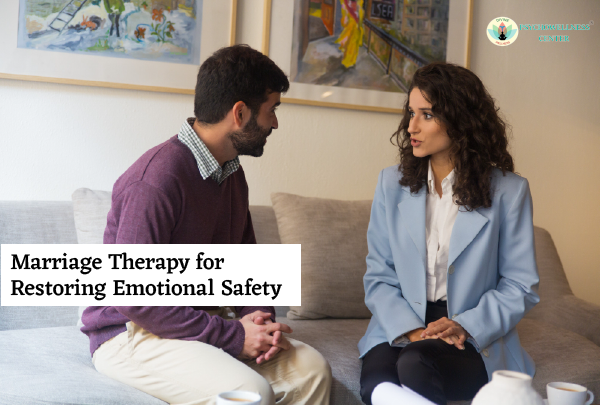
Healthy partnerships thrive when both partners feel respected, heard, and emotionally secure. However, many couples experience periods where misunderstandings, unresolved disagreements, and emotional distance weaken the sense of safety in their marriage. When conflicts remain unresolved or communication becomes defensive, partners may begin to feel misunderstood or disconnected. Marriage therapy offers structured guidance that helps couples rebuild trust, improve communication, and restore emotional safety within their partnership.
Understanding Emotional Safety in Relationships
Emotional safety refers to the feeling that one can express thoughts, emotions, and vulnerabilities without fear of rejection, ridicule, or hostility. When emotional safety is present, partners feel supported and valued, even during disagreements. Research in couple psychology indicates that emotional safety is a key predictor of successful therapy outcomes and long-term satisfaction in a relationship.
In emotionally secure partnerships, individuals feel comfortable discussing personal concerns, expressing affection, and acknowledging mistakes. However, when emotional safety is compromised, partners may withdraw, become defensive, or engage in patterns of criticism and blame.
How Emotional Safety Gets Disrupted
Several patterns can gradually erode emotional safety in a partnership. One common factor is ongoing couple conflicts that remain unresolved. When disagreements escalate into criticism or defensiveness, partners may start protecting themselves emotionally rather than working collaboratively toward solutions.
Another factor involves chronic stress from work pressures, financial concerns, or family responsibilities. According to relationship science frameworks such as the Vulnerability–Stress–Adaptation model, external stressors can significantly influence marital satisfaction and communication patterns.
Some couples also experience emotional barriers related to anxiety, which can affect communication styles and conflict responses. For example, anxious partners may worry about rejection or abandonment, making it harder to express vulnerability in conversations.
Additionally, unresolved interpersonal problem patterns—such as poor communication, lack of empathy, or repeated misunderstandings—can gradually weaken emotional trust between partners.
Marriage Therapy’s Role
Marriage therapy provides a structured environment where couples can safely explore emotional concerns, rebuild trust, and learn new communication strategies. Therapeutic approaches such as Emotionally Focused Therapy and the Gottman Method emphasize strengthening emotional bonds and increasing mutual understanding. Emotionally Focused Therapy helps partners identify underlying emotional needs and attachment patterns that influence behavior. By addressing these deeper emotional layers, therapy helps couples reconnect and strengthen their emotional bond. In many therapy models, partners learn practical skills related to emotion control, empathy, and conflict resolution. These skills help reduce reactive responses and promote calm, constructive conversations during disagreements. Therapists also guide couples to understand patterns such as criticism, defensiveness, contempt, and emotional withdrawal, which research identifies as harmful to long-term relationship stability.
Restoring Intimacy and Emotional Bonding
One of the most important goals of marriage therapy is restoring emotional closeness between partners. Over time, unresolved conflicts and daily pressures can create emotional distance that reduces feelings of connection. Therapy helps couples rebuild intimacy by encouraging open communication, appreciation, and shared experiences. Partners learn to express needs more clearly and listen to each other without judgment. Small daily actions—such as expressing gratitude, sharing meaningful conversations, or spending intentional time together—can significantly strengthen emotional connection.
Creating Common Objectives for the Partnership
Successful marriage therapy often involves identifying shared priorities and values. Through guided discussions, couples clarify expectations about communication, family responsibilities, and long-term plans. Therapists frequently encourage partners to practice collaborative goal setting, which allows both individuals to actively contribute to shaping the future of their partnership. Shared goals create a sense of teamwork and mutual purpose within the relationship. For example, couples may set goals related to improving communication, rebuilding trust after conflict, or creating healthier routines that support emotional connection.
Mindfulness and Emotional Awareness in Marriage
Psychological practices such as mindfulness can also play a valuable role in restoring emotional safety. Mindfulness encourages individuals to become aware of their emotional reactions without immediately responding with defensiveness or anger. By practising mindful awareness, partners can pause before reacting, allowing them to communicate more thoughtfully and respectfully. This approach helps reduce impulsive arguments and promotes constructive dialogue. Mindfulness techniques used in therapy may include breathing exercises, reflective listening, and guided communication practices.
Personal Development and Relationship Well-Being
Marriage therapy does not only focus on the partnership—it also encourages individual development. When partners work on personal awareness and communication skills, the overall health of the relationship improves. Engaging in self-improvement helps individuals understand their emotional triggers, communication styles, and behavioural patterns. Personal growth enables partners to respond more thoughtfully during disagreements and maintain empathy during difficult conversations. Therapy may include exercises designed to strengthen emotional awareness, empathy, and problem-solving skills.
Conclusion
Emotional safety is the foundation of a healthy and fulfilling partnership. When couples feel safe expressing vulnerability, disagreements become opportunities for understanding rather than sources of conflict. Marriage therapy provides structured guidance that helps partners rebuild trust, improve communication, and reconnect emotionally. By addressing unresolved issues, developing emotional awareness, and creating shared goals, couples can restore stability and strengthen their bond. Seeking professional support at the right time can prevent small issues from becoming long-term relationship challenges. With commitment, empathy, and the support of skilled therapists, couples can rediscover emotional connection and build a resilient, supportive marriage.
When emotional distance or repeated conflicts begin affecting the stability of a relationship, seeking professional guidance can be a constructive step. Couples searching for marriage counselling near me can find professional support at Psychowellness Center (011-47039812 or 7827208707) in Delhi, widely recognised for offering the best marriage counselling in Delhi NCR and the best marriage counselling in Janakpuri. With experienced therapists and evidence-based therapeutic approaches, the centre provides offline counselling sessions in a safe and supportive environment, helping couples address relationship challenges, improve communication, rebuild trust, and develop healthier relationship patterns.
Videos by PsychoWellness Center and TalktoAngel discuss important aspects of relationships, such as relationship satisfaction, common relationship issues, emotional patterns between partners, and the role of relationship counselling. These videos help couples understand the causes of conflicts and highlight how professional counselling can support partners in improving communication, rebuilding trust, and developing healthier relationship dynamics.
Contribution: Dr. R.K. Suri, Clinical Psychologist, and Ms. Mahima Mathur, Counselling Psychologist
REFERENCES
- Bareiter Counseling Center. (n.d.). Building emotional safety: The foundation of trust in relationships. https://www.bareitercc.com/building-emotional-safety-the-foundation-of-trust-in-relationships
- Boateng, G. O., Ofori-Asenso, R., & Essilfie, G. (2022). Emotion recognition and interpersonal communication in romantic relationships. arXiv Preprint. https://arxiv.org/abs/2202.08430
- Gottman Institute. (n.d.). The empirical basis for the Gottman Method couples therapy. https://www.gottman.com/blog/the-empirical-basis-for-gottman-method-couples-therapy/
- Karney, B. R., & Bradbury, T. N. (1995). The longitudinal course of marital quality and stability: A review of theory, method, and research. Psychological Bulletin, 118(1), 3–34. https://doi.org/10.1037/0033-2909.118.1.3