
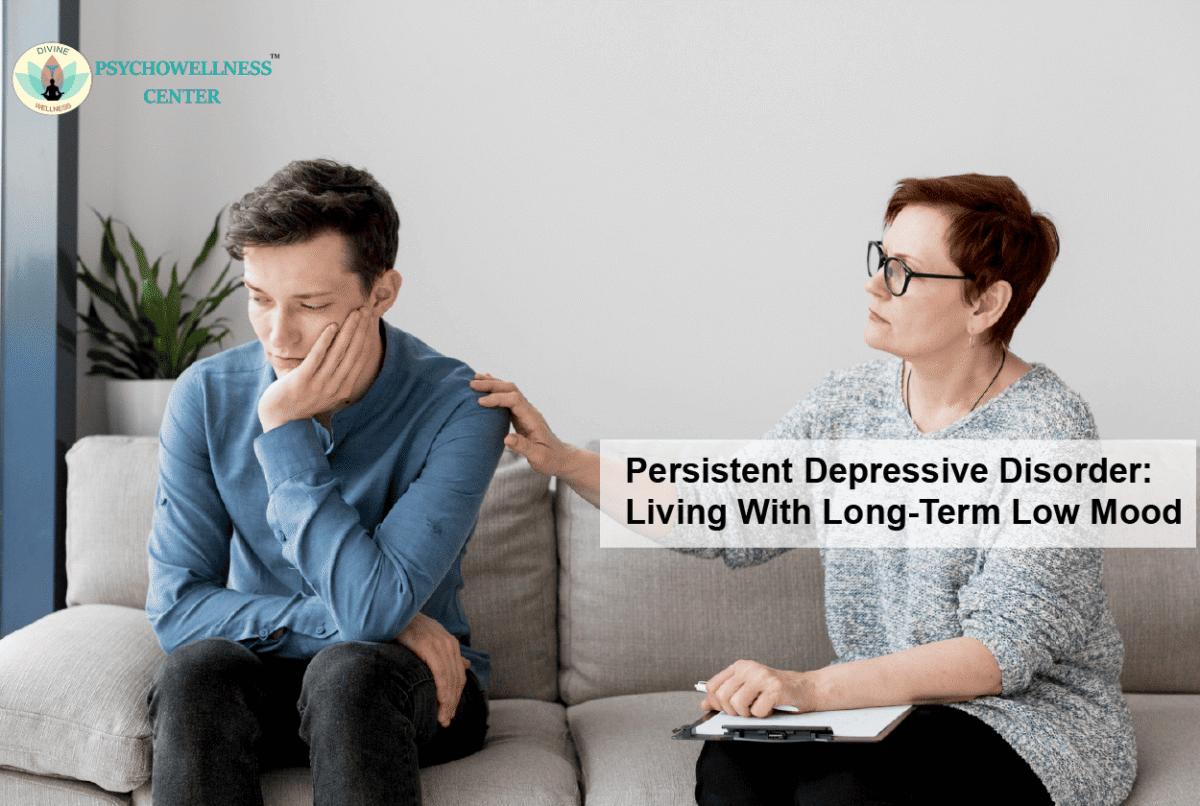
Persistent Depressive Disorder (PDD), also known as dysthymia, is often described as “smiling depression” , not because it feels light, but because individuals learn to function while carrying a steady, quiet weight of sadness. Unlike major depressive disorder, which comes in episodes, PDD is defined by its duration: a low mood that lasts for at least two years in adults (and one year in children and adolescents). Over time, this chronic emotional heaviness can shape identity, relationships, work performance, and one’s sense of hope.
From a psychologist’s perspective, PDD is not simply about feeling sad, it reflects long-standing patterns of thinking, emotional processing, and coping that develop in response to life stressors, attachment experiences, and neurobiological vulnerabilities. With appropriate support, however, individuals living with PDD can experience meaningful relief and reclaim emotional vitality.
Understanding Persistent Depressive Disorder
PDD is characterized by a consistently depressed mood most days, accompanied by symptoms such as fatigue, low self-esteem, poor concentration, changes in appetite or sleep, and feelings of hopelessness. These symptoms may fluctuate in intensity, but they rarely disappear completely without intervention.
Many people with PDD report that they “don’t remember what it feels like to be normal.” Over time, emotional numbness or chronic dissatisfaction becomes familiar, leading individuals to minimise their struggles or assume that this is simply their personality. Unfortunately, this normalisation often delays seeking psychological counselling or mental health support.
From a clinical standpoint, PDD frequently overlaps with other concerns such as anxiety, relationship problems, chronic stress, trauma histories, and health conditions. Without care, the condition can increase vulnerability to major depressive episodes, substance misuse, burnout, and interpersonal problems.
The Emotional Experience of Living With Long-Term Low Mood
Living with a persistent low mood can be psychologically exhausting. Individuals often describe feeling emotionally “flat,” disconnected from pleasure, and unable to sustain motivation. They may function at work or in relationships, but feel internally depleted. This internal struggle can lead to:
- Chronic self-criticism and shame
- Social isolation, even when surrounded by others
- Low confidence in decision-making
- Difficulty experiencing joy or hope
- Strained family and romantic relationships
From a therapeutic lens, long-term depression is not a personal failure it reflects how the nervous system adapts to prolonged emotional distress. Over time, the brain becomes conditioned to negative emotional patterns, reinforcing cycles of hopelessness and avoidance. Therapy works to gently disrupt these cycles and reintroduce emotional flexibility.
How Persistent Depression Affects Daily Life
The impact of PDD extends beyond mood. It influences cognitive processing, motivation, relationships, physical health, and identity development. People may struggle with:
- Work or academic performance, due to low energy and concentration
- Unstable relationships, fueled by emotional withdrawal or irritability
- Reduced self-care, affecting sleep, nutrition, and exercise
- Limited career growth, due to diminished confidence and motivation
- Emotional numbness, which can interfere with intimacy and joy
Despite these challenges, many individuals with PDD appear “high functioning,” which can mask suffering and delay help-seeking. Psychologists emphasize that functionality does not equal wellness emotional well-being deserves attention regardless of outward success.
Evidence-Based Treatment Approaches
The good news is that Persistent Depressive Disorder is highly treatable. With structured, compassionate intervention, individuals can experience significant symptom reduction and improved quality of life.
Cognitive-Behavioural Therapy (CBT)
CBT is one of the most effective treatments for chronic depression. It helps individuals identify deeply ingrained negative thought patterns such as hopelessness, self-blame, and all-or-nothing thinking and replace them with balanced, reality-based perspectives. Over time, CBT restores motivation, emotional flexibility, and behavioural engagement.
Acceptance and Commitment Therapy (ACT)
ACT focuses on increasing psychological flexibility rather than eliminating difficult emotions. Clients learn to observe thoughts without becoming overwhelmed by them, clarify personal values, and take meaningful action even in the presence of emotional discomfort. This approach is particularly useful for individuals who feel stuck in resignation or emotional numbness.
Dialectical Behaviour Therapy (DBT) Skills
While DBT is traditionally associated with emotional regulation disorders, its skills-based components, including distress tolerance, emotion regulation, and interpersonal effectiveness, are highly beneficial for individuals with persistent depression, especially those with emotional sensitivity and relationship difficulties.
Motivational Interviewing
Motivational interviewing supports individuals who feel ambivalent about change. It helps strengthen intrinsic motivation, resolve internal conflicts, and re-engage clients in therapy when energy and hope feel depleted, a common experience in chronic depression.
Medication and Integrated Care
In moderate to severe cases, antidepressant medication prescribed by a psychiatrist may complement psychotherapy. Combined treatment often produces better long-term outcomes, especially when depression has been longstanding or resistant to previous interventions.
The Role of the Therapeutic Relationship
From a psychologist’s perspective, healing from persistent depression begins with the therapeutic alliance, a relationship built on safety, empathy, and non-judgment. Many individuals with PDD have lived with emotional invalidation or invisibility. Therapy offers a corrective emotional experience where their pain is seen, understood, and respected.
Rather than rushing symptom reduction, skilled therapists focus on rebuilding emotional awareness, self-trust, and compassion. This process unfolds gradually, honouring the pace at which individuals feel safe exploring vulnerability and change.
Lifestyle Interventions That Support Recovery
Therapy becomes even more effective when paired with sustainable lifestyle adjustments that support emotional regulation and neurobiological balance:
- Consistent sleep routines
- Balanced nutrition
- Gentle physical movement
- Mindfulness and grounding practices
- Social connection and support
- Structured daily activities
While these changes alone may not resolve depression, they significantly enhance treatment outcomes and protect against relapse. Psychologists emphasise progress over perfection.
When to Seek Professional Help
Individuals should consider seeking support from a therapist near me or a mental health professional when:
- Low mood persists for months or years
- Motivation and pleasure are consistently reduced
- Relationships feel strained or disconnected
- Work, academics, or daily functioning decline
- Hopelessness or emotional numbness becomes prominent
Early intervention improves prognosis, but it is never too late to seek care. Whether through in-person sessions or online therapy, accessible mental health services allow individuals to begin healing regardless of location or schedule constraints.
Those searching for a psychologist near me or best psychologists in Delhi often benefit from multidisciplinary clinics offering psychotherapy, psychiatric consultation, and wellness services under one roof.
Online Therapy and Accessibility
Digital mental health services have transformed access to psychological counselling, particularly for individuals facing time constraints, stigma, mobility limitations, or geographic barriers. Online therapists in India now provide secure, evidence-based care across mood disorders, anxiety, trauma, and relationship challenges.
Online therapy allows clients to receive structured CBT, ACT, and supportive psychotherapy while maintaining privacy and flexibility. Research suggests that teletherapy outcomes for depression are comparable to in-person treatment when evidence-based protocols are used.
Living Beyond Persistent Depression
Recovery from Persistent Depressive Disorder does not necessarily mean the absence of all sadness. Rather, it involves developing emotional resilience, adaptive coping skills, meaningful engagement, and a renewed sense of agency. Individuals learn that emotions are not enemies but signals, and that emotional flexibility allows space for both pain and joy.
From a psychologist’s standpoint, the goal is not to “fix” clients but to empower them to reconnect with their strengths, values, and inner resources. Over time, individuals rediscover pleasure, motivation, and emotional depth, experiences that once felt distant or inaccessible.
Conclusion
Persistent Depressive Disorder reflects more than sadness, it represents a long-term emotional burden that affects identity, relationships, motivation, and self-worth. Left untreated, chronic low mood can quietly erode well-being and life satisfaction. However, through compassionate, evidence-based psychotherapy approaches such as CBT, acceptance and commitment strategies, and supportive counselling, individuals can interrupt depressive patterns, rebuild emotional resilience, and experience meaningful recovery.
For those seeking professional mental health support, The Psychowellness Center (Contact: 011-47039812 / 7827208707), located in Dwarka Sector-17 and Janakpuri, New Delhi, offers specialised psychological counselling through personalised treatment approaches that address long-standing depression, emotional regulation, and holistic well-being. Additionally, for individuals searching for the best psychologist near me or flexible care options, online platforms like TalktoAngel connect clients with experienced therapists who support emotional healing, motivation building, and long-term psychological wellness. Together, these evolving care pathways ensure that effective, compassionate, and individualised mental health support remains accessible to all.
Explore more –
https://www.youtube.com/watch?v=TuEMJziPykE&t=11s
https://www.youtube.com/watch?v=UcaSrbGL3OI
Contribution: Dr. R.K. Suri, Clinical Psychologist, and Ms. Arushi, Counselling Psychologist
References
- American Psychiatric Association. (2022). Diagnostic and statistical manual of mental disorders (5th ed., text rev.). APA Publishing.
- https://www.psychowellnesscenter.com/Blog/silent-strain-of-persistent-depressive-disorder-dysthymia/
- https://www.psychowellnesscenter.com/Blog/depression-without-tears-silent-signs-people-often-miss/
- https://www.psychowellnesscenter.com/Blog/is-your-hidden-depression-affecting-your-relationship/
- https://www.psychowellnesscenter.com/Blog/therapy-and-counselling-for-clinical-depression/
- https://www.psychowellnesscenter.com/Blog/depression-and-feeling-of-worthlessness/
- https://www.psychowellnesscenter.com/Blog/tips-to-fight-depression-fatigue/
- Klein, D. N., Santiago, N. J., & Vivian, D. (2019). Persistent depressive disorder (dysthymia). In J. E. Maddux (Ed.), Psychopathology: Foundations for a contemporary understanding (4th ed., pp. 226–244). Routledge.
- McCullough, J. P. (2003). Treatment for chronic depression: Cognitive behavioral analysis system of psychotherapy (CBASP). Guilford Press.