
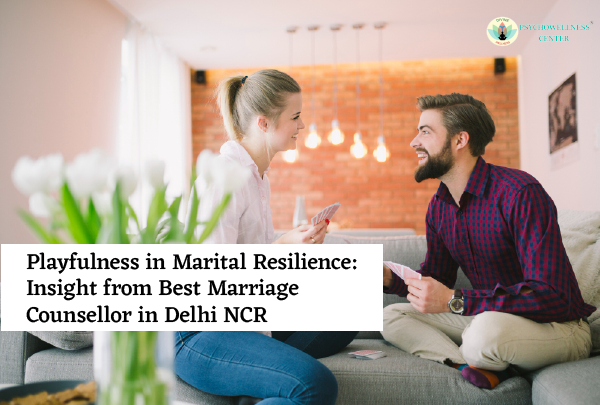
Marriage is a dynamic partnership where two individuals bring their personalities, emotional patterns, and life experiences into a shared space. Over time, differences in communication styles and emotional needs may create tension between partners. One relationship dynamic often discussed in counselling is the cactus and fern pattern, where one partner seeks emotional closeness and reassurance while the other prefers independence and emotional space. While these differences may initially appear challenging, incorporating playfulness and understanding into the relationship can strengthen marital resilience and deepen emotional connection.
Understanding the Cactus and Fern Relationship Pattern
The cactus and fern metaphor describes contrasting emotional styles in a relationship. The “fern” partner thrives on emotional closeness, regular communication, and reassurance. They may frequently express feelings and desire consistent emotional engagement from their partner.
The “cactus” partner, however, may be more reserved and self-reliant. This individual may love deeply but expresses affection through actions rather than constant verbal reassurance. Their need for personal space can sometimes be misunderstood as emotional distance.
When these two patterns interact, partners may experience Relationship problems if they fail to understand each other’s emotional needs. The fern partner may feel ignored or undervalued, while the cactus partner may feel overwhelmed by the expectation of continuous emotional expression.
Why Emotional Differences Create Conflict
Emotional differences in relationships often arise from upbringing, personality traits, and past experiences. For example, individuals raised in emotionally expressive families may naturally seek closeness, while those raised in more independent environments may prioritise personal autonomy.
Without awareness of these differences, misunderstandings can grow. The fern partner may pursue emotional connection more intensely, while the cactus partner may withdraw further to maintain personal boundaries. Over time, this pattern can lead to Unstable Relationships where both partners feel frustrated despite caring for each other deeply.
Couples counselling helps couples recognise that these behaviours are not signs of incompatibility but reflections of different emotional coping styles.
The Role of Playfulness in Marital Resilience
Playfulness is an often-overlooked yet powerful tool in strengthening relationships. When couples engage in light-hearted interactions, humour, and shared joyful activities, they create emotional buffers that help them manage conflict more effectively.
Research in relationship psychology suggests that couples who maintain playfulness during stressful moments are more likely to sustain long-term marital satisfaction. Playful communication allows partners to soften difficult conversations, reduce tension, and reconnect emotionally.
This sense of fun and spontaneity encourages couples to focus on the positive aspects of their relationship rather than becoming overwhelmed by challenges.
How Couple Counselling Helps
Professional support through marriage counselling helps partners explore their emotional patterns and develop healthier communication strategies. Counselling sessions provide a safe space where both individuals can express their feelings without fear of judgment or criticism.
Through relationship counselling, couples learn to identify triggers that contribute to recurring conflicts. They also develop tools to manage emotional differences constructively rather than reacting defensively.
Counsellors guide partners in recognising how their emotional styles influence their behaviour. For example, the cactus partner may learn to express appreciation more openly, while the fern partner may learn to respect personal space without interpreting it as rejection.
Therapeutic Approaches for Cactus and Fern Couples
Several therapeutic approaches are used to support couples navigating this dynamic. One effective method is cognitive-behavioural therapy, which helps partners recognise and challenge negative assumptions about each other’s behaviour.
For instance, a fern partner may interpret emotional distance as lack of love. CBT encourages partners to question such assumptions and explore more balanced perspectives. Similarly, cactus partners can learn to identify how their withdrawal affects their partner emotionally.
Another helpful method is emotionally focused therapy, which focuses on strengthening emotional bonds and creating a deeper understanding between partners. This approach encourages vulnerability and helps couples reconnect on a deeper emotional level.
In some cases, therapists may also incorporate Motivational interviewing techniques to encourage partners to reflect on their relationship goals and develop motivation for positive change.
Communication Strategies for Strengthening Connection
Healthy communication is essential in any relationship, especially when partners have different emotional needs. Counsellors often guide couples to practice active listening, where each partner focuses on understanding rather than immediately responding.
Partners are also encouraged to express emotions using “I” statements instead of blame-based language. For example, saying “I feel disconnected when we don’t spend time together” is more constructive than saying “You never care about spending time with me.”
Developing these communication skills helps couples build healthy boundaries, where both partners feel respected and valued.
Balancing Closeness and Independence
One of the central goals of counselling for cactus and fern couples is finding a balance between emotional closeness and personal independence. Both partners must learn that their needs are valid and deserve consideration.
For the fern partner, this may involve recognising that independence does not equal rejection. For the cactus partner, it may involve understanding that emotional reassurance strengthens the relationship rather than threatening personal freedom.
By respecting these differences, couples can transform their contrasting styles into complementary strengths.
Managing Emotional Stress in Relationships
Persistent relationship conflicts can contribute to emotional strain for both partners. Stress, anxiety, and depression may progressively rise as a result of feelings of rejection, anger, or miscommunication, particularly if problems are not handled.
Counselling helps couples address these emotional challenges early. Therapists provide strategies for emotional control, conflict resolution, and stress management so that disagreements do not escalate into long-term resentment.
Couples who learn to manage emotional stress effectively often report improved relationship satisfaction and deeper emotional intimacy.
Seeking Professional Guidance
While many couples attempt to resolve conflicts independently, recurring patterns of misunderstanding can benefit from professional intervention. Working with experienced Relationship psychologists allows couples to explore relationship dynamics from a neutral and supportive perspective.
Individuals searching for guidance may look for a marriage counselling near me option to access specialised support.
Professional therapy sessions help partners rediscover empathy, rebuild trust, and develop healthier ways of communicating.
Embracing Playfulness for Long-Term Relationship Health
Playfulness does not mean avoiding serious conversations or ignoring relationship challenges. Instead, it encourages couples to approach life together with curiosity, humour, and emotional warmth.
Simple activities such as sharing jokes, engaging in hobbies together, or revisiting joyful memories can help partners reconnect emotionally. These moments of lightness remind couples why they chose each other in the first place.
Over time, incorporating playfulness into daily life strengthens emotional resilience and helps couples navigate difficult moments with greater patience and understanding.
Conclusion
Every relationship is unique, and differences in emotional expression are a natural part of human connection. The cactus and fern dynamic shows how contrasting emotional styles can sometimes create misunderstandings but also open opportunities for deeper understanding and growth. Through Couple counselling and supportive therapeutic approaches, partners can learn to communicate more effectively, respect emotional differences, and build healthy relationships and boundaries that balance closeness with independence. Playfulness also plays a powerful role in marital resilience. When couples maintain humour, curiosity, and shared moments of joy, everyday challenges can transform into opportunities for connection, strengthening the emotional bond between partners.
The Psychowellness Center (Contact: 011-47039812 / 7827208707), with locations in Dwarka Sector-17 and Janakpuri, New Delhi, provides specialised therapeutic support for couples through personalised counselling approaches that focus on strengthening emotional connection, improving communication, and building marital resilience. Guided by experienced professionals often discovered through searches for the best relationship counselors near me, these services help partners navigate relationship dynamics such as the cactus and fern pattern with greater empathy and understanding. Additionally, for couples seeking flexible access to care, online platforms like TalktoAngel connect individuals with experienced psychologists who offer professional relationship guidance and emotional support, helping couples rediscover playfulness, rebuild trust, and create stronger, more resilient marriages.
Contribution: Dr. R.K. Suri, Clinical Psychologist, and Ms. Arushi Srivastava, Counselling Psychologist
References
Gottman, J., & Gottman, J. (2017). The Seven Principles for Making Marriage Work. Harmony Books.
Johnson, S. (2019). Attachment Theory in Practice: Emotionally Focused Therapy with Individuals, Couples, and Families. Guilford Press.
Beck, J. (2020). Cognitive Behavior Therapy: Basics and Beyond. Guilford Press.
Nichols, M. (2020). Family Therapy: Concepts and Methods. Pearson Education.
Lebow, J. (2019). Couple and Family Therapy: An Integrative Map of the Territory. American Psychological Association.
https://www.psychowellnesscenter.com/Blog/building-a-strong-foundation-for-a-healthy-marriage
https://www.psychowellnesscenter.com/Blog/communication-hacks-for-working-couples
https://www.psychowellnesscenter.com/Blog/ways-to-nurture-marriage-with-trust-and-vulnerability
https://www.psychowellnesscenter.com/Blog/importance-of-practicing-gratitude-in-married-life