
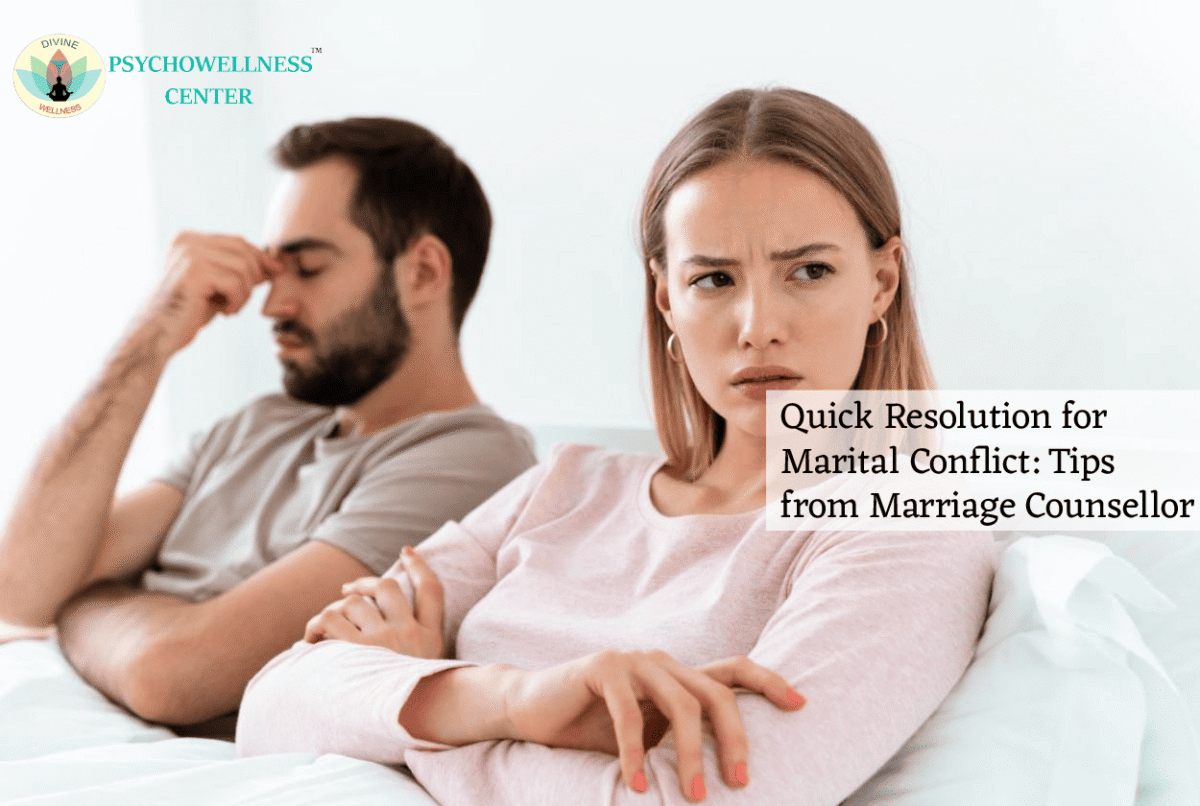
In the high-pressure environment of modern life, disagreements between partners are an inevitable byproduct of two distinct personalities attempting to build a unified existence. However, the difference between a thriving partnership and one that is slowly eroding lies not in the absence of disputes, but in the speed and efficiency with which those disputes are handled. When a conflict is allowed to linger, it transforms from a simple misunderstanding into a source of chronic tension that can permeate every corner of a person’s life. Resolving these issues quickly is not about “winning” an argument; it is about protecting the emotional infrastructure of the home.
The Psychological Mechanics of Conflict
To resolve a dispute quickly, one must first understand what is happening within the brain during a disagreement. When a couple enters a heated argument, they often experience “emotional flooding.” This is a physiological state where the heart rate spikes, and the body’s “fight-or-flight” system takes over. In this state, the logical part of the brain, the prefrontal cortex, effectively goes offline, leaving the emotional center to dictate the interaction. This often results in explosive anger, which serves no purpose other than to push the partner further away.
If this cycle is repeated over a long period, it can lead to a state of low motivation regarding the relationship itself. Partners may begin to feel that no matter what they do, the outcome will always be the same, leading to a profound sense of hopelessness. Quick resolution is the antidote to this cycle, as it prevents the buildup of resentment that eventually leads to emotional detachment.
The Ripple Effect: Beyond the Bedroom
Unresolved marital tension does not stay confined to the home. It has a significant impact on an individual’s workplace productivity and professional relationships. When you are preoccupied with a “cold war” at home, your cognitive resources are drained, making it difficult to focus on tasks or engage creatively with colleagues. This lack of focus often creates a secondary layer of stress, as professional performance begins to slip alongside personal happiness.
Furthermore, the state of one’s primary relationship is a major determinant of overall physical health. Studies have consistently shown that high-conflict marriages are linked to weakened immune systems, slower healing times, and increased cardiovascular risks. By learning to resolve conflicts quickly, couples are not just saving their marriage; they are protecting their long-term biological well-being.
Proactive Strategies for Rapid Resolution
Transitioning from “conflict” to “connection” requires a shift in strategy. Marriage counsellors near me often emphasize the following evidence-based techniques to de-escalate tension before it becomes unmanageable:
1. The “Soft Start-up” and Assertiveness
How a conversation begins almost always dictates how it will end. Starting with a harsh accusation, “You never listen to me”, immediately puts the other person in a defensive posture. Instead, practicing assertiveness involves stating your needs clearly and respectfully without attacking the partner.
2. Maintaining a Healthy Boundary
Many quick-burn conflicts arise because partners have lost their sense of self within the union. Establishing a healthy boundary allows each person to take responsibility for their own emotions. If you are upset about something that happened at work, it is important to communicate that your mood is not a reflection of your partner. This prevents the “projection” of external frustrations onto the marriage.
3. The Power of Mindfulness
When an argument begins to escalate, mindfulness can act as a circuit breaker. By becoming a “witness” to your own rising irritation, you can choose to pause. Taking a 20-minute break to breathe and calm the nervous system is often the fastest way to resolve an issue that seemed insurmountable just moments before.
Navigating the Deeper Hurdles
Sometimes, what looks like a simple argument about chores is actually a symptom of a deeper interpersonal problem. These deeper issues often stem from unmet needs for validation or safety. In long-term partnerships, it is also common to encounter a “pursuer-distancer” dynamic. One partner may struggle with an intense dependence on the other for their happiness, while the other pulls away to maintain their autonomy.
If left unaddressed, this dynamic can lead to a state of burnout, not just in a professional sense, but in an emotional one. The couple becomes “exhausted” by the effort of trying to reach one another. In such cases, the conflict isn’t just about the current topic; it’s a plea for emotional and physical intimacy that is being expressed in an unhelpful way. Recognizing this deeper need is the first step toward a permanent resolution.
Strengthening the Emotional Foundation
The ultimate goal of a quick resolution is to build resilience within the couple. This refers to the couple’s capacity for resilience, where they don’t just return to their original state after a fight, but achieve a higher level of post-conflict integration and mutual empathy. When couples successfully navigate a conflict, their self-esteem as a unit grows. They realize that they are capable of handling life’s storms together, which reduces the underlying anxiety about the future of the relationship.
A New Chapter: The Solution-Focused Marriage
The path to a peaceful home is not found in avoiding disagreements but in mastering the art of the “repair attempt.” A repair attempt is any action, a smile, a touch, or a genuine apology, that pulls the couple back from the brink of a spiral. The solution lies in choosing the relationship over the need to be “right.” When both partners prioritize the health of the bond, conflicts become shorter, less frequent, and ultimately, less damaging.
By committing to a process of constant self-improvement, you ensure that you are bringing your best self to the partnership. A marriage is like a living organism; it needs nourishment, attention, and, occasionally, professional intervention to stay healthy. Taking the initiative to learn these skills today ensures that your “forever” is built on a foundation of mutual respect and rapid reconciliation.
Expert Guidance at Psychowellness Center
If you find that your disagreements are becoming more frequent or harder to resolve, seeking marriage counselling, relationship counseling, and couple counseling is a proactive step toward a happier life. At Psychowellness Center, we house the best psychologists in Delhi who specialize in evidence-based conflict resolution. Whether you are looking for the best marriage counsellor near me or need individual support for depression and anxiety, our team provides a neutral, expert environment to facilitate healing. We are proud to be recognized among the facilitators of the best marriage counsellors in India, helping thousands of couples rediscover their bond.
- Phone: 011-47039812 / 7827208707.
- Location: Dedicated centres, Janakpuri and Dwarka Sector-17, Delhi.
- Action: Contact us today to book a consultation and transform your relationship dynamics.
For those who prefer the convenience of remote support, TalktoAngel provides world-class online counseling services. Connect with specialized therapists through TalktoAngel to receive professional relationship guidance regardless of your location.
Learn more:
https://www.youtube.com/watch?v=toWfakA8Q0M&pp=0gcJCZEKAYcqIYzv
https://www.youtube.com/watch?v=VP6n5qL7xds&pp=0gcJCZEKAYcqIYzv
https://www.youtube.com/watch?v=Kx-uMxjVucQ
https://www.youtube.com/watch?v=6Zn7bqxTjK8
Contribution: Dr. R.K. Suri, Clinical Psychologist, and Mr. Umesh, Counselling Psychologist
References
Gottman, J. M., & Silver, N. (2015). The seven principles for making marriage work: A practical guide from the country’s foremost relationship expert. Harmony.
Halford, W. K., & Doss, B. D. (2016). Therapeutic interventions with couples in conflict. Annual Review of Clinical Psychology, 12, 413-439.
Johnson, S. M. (2019). Attachment theory in practice: Emotionally focused therapy (EFT) with individuals, couples, and families. Guilford Publications.
Kiecolt-Glaser, J. K., & Wilson, S. J. (2017). Lovesick: How couples’ relationships influence health. Psychosomatic Medicine, 79(5), 505-510. (Relevant for physical health section).
Stasiewicz, P. R., & Bradizza, C. M. (2021). Emotion regulation in psychotherapy: A practitioner’s guide. Guilford Press.
https://www.psychowellnesscenter.com/Blog/relationship-issues/
https://www.psychowellnesscenter.com/Blog/how-couple-therapy-can-help-you-find-inner-peace/
https://www.psychowellnesscenter.com/Blog/why-to-choose-couples-therapy/
https://www.psychowellnesscenter.com/Blog/is-your-hidden-depression-affecting-your-relationship/