
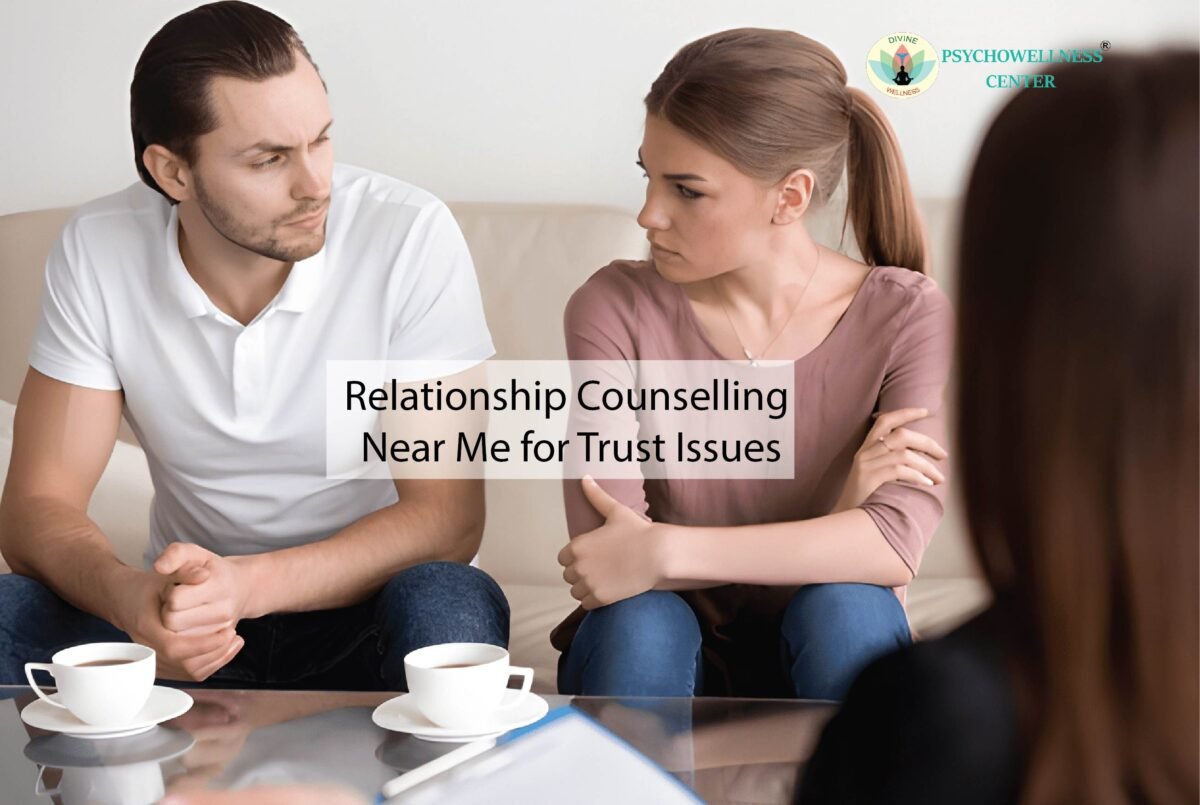
Trust is the foundation of any healthy relationship, but when it’s broken, everything can feel unstable. Whether it’s a long-term partnership, dating, or past heartbreak, trust issues can affect your self-esteem, emotional health, and even your physical well-being. You might find yourself overthinking every message, feeling anxious about your partner’s actions, or doubting your own decisions. These feelings are normal, but when they persist, they can lead to deeper problems like couple conflicts, toxic relationships, or even burnout.
If you’re searching for relationship counseling near me to address trust issues, professional help is available. Working with a qualified expert, such as the Best Psychologist in Delhi or an experienced relationship specialist, can help you rebuild trust, strengthen emotional resilience, and improve self-esteem.
Trust issues don’t appear out of nowhere. They can develop due to past breakups, betrayal, emotional abuse, or even unresolved interpersonal problems in previous relationships. When trust is compromised, it can affect intimacy, communication, and your ability to feel secure.
Some common signs of trust issues include:
- Constant worry or suspicion about your partner’s actions
- Difficulty opening up or sharing your feelings
- Fear of abandonment or breakups
- Overreacting to small disagreements or couple conflicts
- Feeling emotionally distant or disconnected
When trust issues persist, they can create a cycle of stress, anxiety, and self-doubt. Your sleep may suffer, emotions can spiral, and daily stress can build up, affecting your overall well-being.
Trust issues don’t just affect your relationship, they affect your life. They can lower self-esteem, make healthy communication difficult, and even lead to toxic relationship patterns. You may notice:
- Burnout and stress from constantly worrying or overthinking
- Sleep problems due to anxiety and late-night rumination
- Difficulty with intimacy, feeling emotionally blocked or distant
- Interpersonal problems spilling over into work, family, or friendships
Ignoring trust issues rarely makes them go away. The good news is that professional counselling can help you navigate these challenges and build a stronger, healthier relationship with yourself and your partner.
Relationship counselling provides a safe space to explore your feelings, understand your triggers, and work on emotion control. Whether you consult the best relationship counsellor in Janakpuri or choose online support from the best relationship counsellor in Delhi NCR, professional guidance can help restore balance and emotional security
Here’s how counselling can help with trust issues:
1. Rebuilding Self-Esteem
Low self-esteem can intensify trust issues. Counsellors help you recognize your worth, set healthy boundaries, and communicate your needs confidently. When you feel more secure in yourself, it’s easier to rebuild trust in your partner and your relationship.
2. Managing Stress and Burnout
Trust issues often lead to mental exhaustion. Counselling teaches coping strategies for stress, emotional overload, and burnout, helping you feel calmer and more in control. Techniques like mindfulness and guided relaxation improve emotional balance and can even enhance your sleep quality.
3. Resolving Couple Conflicts
Many trust issues stem from unresolved conflicts. Counsellors provide tools for effective communication, active listening, and problem-solving. They guide couples through disagreements, helping prevent toxic cycles and encouraging collaboration rather than confrontation.
4. Healing from Breakups or Betrayal
Whether you’re recovering from a past breakup or betrayal, counselling offers strategies to process pain and prevent it from affecting future relationships. You’ll learn resilience, self-care, and emotional regulation, allowing you to approach new relationships without fear or hesitation.
5. Building Intimacy
Counselling can help restore intimacy by teaching emotional openness, vulnerability, and trust-building exercises. Intimacy isn’t just physical, it’s about feeling connected, valued, and safe with your partner.
6. Addressing Dating Concerns
Even if you’re dating rather than in a long-term relationship, trust issues can still arise. Counsellors help navigate dating concerns, recognize red flags, and develop healthy patterns early, preventing toxic relationships before they escalate.
7. Enhancing Self-Improvement
Trust issues often reflect broader patterns of self-doubt or interpersonal challenges. Counselling supports self-improvement by helping you develop resilience, strengthen emotional awareness, and practice mindfulness, so you can navigate relationships with confidence and calm.
Searching for “relationship counselling near me” doesn’t have to mean visiting an office. Online counselling offers several advantages:
- Convenience: Sessions can be scheduled around your routine, reducing stress and allowing consistent support.
- Privacy: You can speak openly about personal or sensitive issues, like toxic relationships, emotional abuse, or intimacy concerns.
- Continuity: Regular online sessions help maintain progress, preventing setbacks and strengthening emotional resilience.
- Accessibility: Platforms like Psychowellness Center and TalktoAngel provide easy access to professional counsellors, regardless of location.
While online counselling and in-clinic sessions provides structured support, you can also take proactive steps to strengthen trust and emotional balance:
- Practice Mindfulness: Pause and notice your emotions instead of reacting impulsively. This helps with emotion control and reduces stress.
- Set Healthy Boundaries: Clearly define what is acceptable in your relationship to protect your well-being.
- Track Progress: Keep a journal of triggers, emotions, and accomplishments. Celebrate small victories to boost self-esteem.
- Focus on Self-Care: Prioritize sleep, nutrition, and activities that bring joy to manage burnout and stress.
- Communicate Openly: Honest conversations about your feelings prevent misunderstandings and reduce couple conflicts.
CONCLUSION
Trust issues can deeply affect relationships, self-esteem, and overall well-being, leading to stress, burnout, and interpersonal problems. Seeking professional help is a strong step toward healing. Counselling platforms like Psychowellness Center provide confidential, convenient counselling to rebuild trust, improve emotional control, and strengthen resilience. Through guidance on mindfulness, healthy boundaries, intimacy, and self-improvement, you can restore connection, manage couple conflicts, and navigate dating or breakups with confidence, reclaiming balance and emotional health in your relationships. For confidential psychological support, the centre can be contacted at 011-47039812 / 7827208707, helping individuals take proactive steps toward emotional health and self-growth.
Additional awareness and flexible support are also available through TalktoAngel online counselling, offering valuable insights into psychotherapy and mental well-being beyond the therapy room.
Contribution: Dr. R.K. Suri, Clinical Psychologist, and Ms. Mahima Mathur, Counselling Psychologist
Learn More: https://www.youtube.com/shorts/Kx-uMxjVucQ
https://www.youtube.com/shorts/NbYQ9DbYYhA
https://www.youtube.com/shorts/6Zn7bqxTjK8
https://www.youtube.com/shorts/Fd8BvtTysBw
REFERENCES
https://www.psychowellnesscenter.com/Blog/strategies-to-overcome-trust-in-relationship/
https://www.psychowellnesscenter.com/Blog/relationship-issues/
https://thepsychowellness.com/mental-fatigue-hurting-relationships-online-counselling-can-help/
Devisetty, D., & Animisetty, M. (2025). Trust issues and consequences in romantic relationships: A systematic review. International Journal of Indian Psychology, 13(3), 2355–2363.
Matson, P. A., Chung, S.‑E., Fortenberry, J. D., Hassmiller Lich, K., & Ellen, J. M. (2020). The impact of relationship stressors on trust and pro‑relationship behavior within adolescent romantic relationships. Journal of Adolescent Health, 68(3), 558–564.
ScienceDirect. (2023). Self‑esteem’s impacts on intimacy‑building: Pathways through self‑disclosure and responsiveness. Current Opinion in Psychology, 52, 101596.