
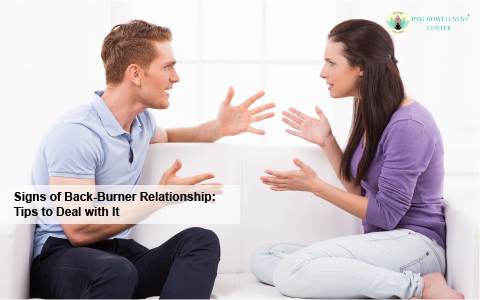
Not all relationships end clearly. Some continue in a vague, uncertain space where one person remains emotionally invested while the other offers inconsistent attention. This dynamic is often described as a “back-burner” relationship, where someone keeps a connection active without fully committing to it.
At first, it may feel like patience or timing is the issue. Over time, however, the imbalance can lead to confusion, frustration, and emotional exhaustion. Recognising the signs early allows individuals to make more informed and self-respecting decisions.
Understanding Back-Burner Dynamics
A back-burner relationship typically involves one person maintaining just enough contact to keep the other emotionally available. This may include occasional messages, intermittent affection, or promises of plans that rarely materialise.
The inconsistency creates a cycle of hope and disappointment. Because the connection is not fully withdrawn, it becomes difficult to move on, even when needs are not being met.
Common Signs of a Back-Burner Relationship
One of the clearest indicators is inconsistency. Communication may fluctuate without explanation; intense at times, then absent for days or weeks. Plans are often vague, postponed, or cancelled without a genuine effort to reschedule.
Another sign is emotional unavailability. The person may avoid deeper conversations about the relationship, deflect discussions about commitment, or respond in a way that keeps things undefined.
Effort imbalance is also common. One person invests time, energy, and emotional availability, while the other engages only when convenient. This imbalance can gradually affect self-esteem and emotional stability.
Why People Keep Others on the Back Burner
This behaviour is not always intentional or manipulative, but it often reflects uncertainty, fear of commitment, or a desire to keep options open. Some individuals may seek emotional comfort without wanting the responsibility of a committed relationship.
In other cases, it may stem from avoidant attachment patterns, where closeness feels overwhelming, leading to push-pull dynamics.
Understanding these motivations can provide clarity, but it does not justify remaining in an unfulfilling situation.
Emotional Impact on the Other Person
Being in a back-burner position can lead to ongoing emotional strain. The unpredictability often creates anxiety, overthinking, and a tendency to interpret small gestures as signs of progress.
Over time, individuals may begin to question their worth or feel hesitant to express their needs. This internal conflict can make it harder to set boundaries or disengage from the situation. Clarity becomes difficult when hope is repeatedly reintroduced through inconsistent attention.
Recognising Your Own Patterns
It is important to reflect on why the situation is being tolerated. In some cases, individuals may hold onto the connection due to emotional attachment, fear of loneliness, or the belief that the relationship will eventually stabilise.
Awareness of these patterns is essential. It allows individuals to separate genuine compatibility from emotional dependency or unmet expectations. Developing this insight supports more intentional decision-making.
Communicating Expectations Clearly
Addressing the situation directly is often necessary. This involves expressing needs, expectations, and concerns in a clear and calm manner.
Rather than focusing on blame, the conversation can centre on what is required for the relationship to feel stable and fulfilling. The response to this conversation is often revealing. A willingness to engage constructively indicates potential for change, while continued avoidance may confirm the pattern.
Setting and Maintaining Boundaries
Boundaries are essential in managing back-burner dynamics. This may include limiting communication, declining last-minute plans, or stepping back from emotional availability when it is not reciprocated.
Boundaries are not intended to control the other person’s behaviour, but to protect one’s own emotional well-being. Consistency in maintaining these boundaries is key to breaking the cycle.
Prioritising Self-Worth and Emotional Needs
Remaining in an uncertain relationship often requires compromising personal needs. Re-evaluating priorities helps individuals recognise what they are willing to accept and what they are not.
Healthy relationships involve mutual effort, clarity, and respect. When these elements are consistently absent, it becomes important to consider whether the relationship aligns with one’s values and long-term well-being.
Shifting focus toward self-care, personal goals, and supportive relationships can reduce emotional dependence on the situation.
When to Consider Stepping Away
If the pattern remains unchanged despite communication and boundary-setting, stepping away may be the most constructive option. This decision can be difficult, particularly when emotional attachment is strong, but it often leads to greater clarity and stability.
Disengaging from a back-burner relationship creates space for healthier connections and reduces ongoing emotional strain.
Seeking Professional Support
For individuals finding it difficult to navigate these dynamics, counselling can provide structured support. Therapy helps in understanding relational patterns, strengthening self-worth, and developing effective communication and boundary-setting skills.
Professional guidance can also assist in processing emotional attachment and making decisions that align with long-term well-being.
Conclusion
Back-burner relationships can be subtle yet emotionally draining, often leaving individuals feeling uncertain, undervalued, and stuck in a cycle of mixed signals. Recognising these patterns, setting firm boundaries, and prioritising self-respect are crucial steps toward regaining emotional clarity and building healthier connections.
Alongside counselling, engaging with resources such as a relationship counselling video available on the Psychowellness Center platform can help individuals better understand relationship dynamics, improve communication, and identify when a relationship no longer meets their emotional needs. Integrating these insights with professional support can lead to more confident and empowered decision-making.
Individuals exploring support options such as relationship counselling near me, a couple therapist near me, or a relationship counsellor may consider seeking professional guidance. Access to skilled psychologists in Delhi NCR who give counselling and psychological support specific to relationship issues, emotional stress, and personal well-being is made possible by the Psychowellness Center, which is situated in Dwarka Sector-17 and Janakpuri. Through personalised therapy sessions, individuals can gain clarity, strengthen self-worth, and develop healthier approaches to relationships. People can call 011-47039812 or 7827208707 for appointments or questions.
Contribution: Dr. R.K. Suri, Clinical Psychologist, and Ms. Charavi Shah, Counselling Psychologist
References
Baumeister, R. F., & Leary, M. R. (1995). The need to belong: Desire for interpersonal attachments as a fundamental human motivation. Psychological Bulletin, 117(3), 497–529. https://doi.org/10.1037/0033-2909.117.3.497
Fraley, R. C., & Shaver, P. R. (2000). Adult romantic attachment: Theoretical developments, emerging controversies, and unanswered questions. Review of General Psychology, 4(2), 132–154. https://doi.org/10.1037/1089-2680.4.2.132
Impett, E. A., Peplau, L. A., & Gable, S. L. (2005). Approach and avoidance sexual motives: Implications for personal and interpersonal well-being. Personal Relationships, 12(4), 465–482. https://doi.org/10.1111/j.1475-6811.2005.00126.x
https://www.psychowellnesscenter.com/Blog/dark-shadow-of-comparison-in-modern-relationships/
https://www.psychowellnesscenter.com/Blog/dating-culture-in-delhi-and-emotional-burnout/
https://www.psychowellnesscenter.com/Blog/relationship-issues/
https://www.psychowellnesscenter.com/Blog/the-perfect-traps-of-a-perfect-relationship/