
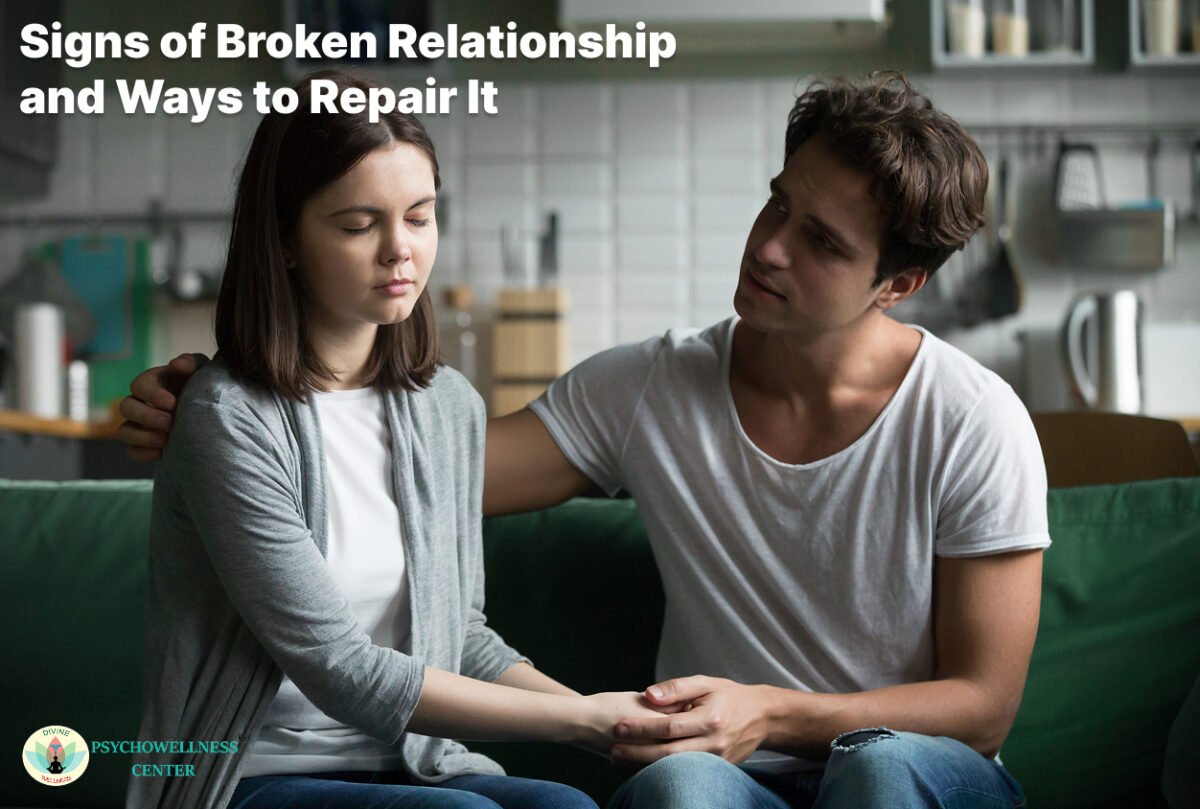
Relationships are dynamic psychological systems that require continuous nurturing, understanding, and intentional effort. Over time, partners may experience emotional distance, communication breakdowns, or recurring conflicts that signal deeper issues needing attention. Identifying early signs of a broken relationship is essential, not only to prevent further emotional harm but also to promote healing, reconnection, and psychological well-being. From the viewpoint of psychology, relationship distress is often rooted in unmet emotional needs, attachment insecurities, communication patterns, and unresolved past experiences. The good news is that most relationships can be repaired with awareness, willingness, and the right strategies.
Psychological Signs of a Broken Relationship
- Emotional Withdrawal and Detachment
One of the earliest psychological indicators of relationship breakdown is emotional withdrawal. When partners stop sharing feelings, experiences, or vulnerabilities, it creates emotional distance. Emotional detachment can be a defense mechanism arising from repeated conflict, disappointment, or fear of rejection. According to attachment theory, individuals who feel insecure or unsupported may shut down emotionally as a self-protective measure.
- Persistent Criticism and Defensiveness
John Gottman’s research emphasizes criticism and defensiveness as two of the “Four Horsemen” that predict relationship dissolution. When communication becomes dominated by blame, sarcasm, or defensiveness, it erodes trust and creates a hostile emotional climate. Over time, partners may respond not to the content of the message but to perceived personal attacks, escalating conflict cycles.
- Avoidance of Conflict
While excessive conflict is damaging, avoiding conflict entirely is equally harmful. Conflict avoidance may seem like a peaceful strategy, but it often masks deeper dissatisfaction and unaddressed emotional needs. Avoidant behavior may stem from fear of confrontation, low self-esteem, or past trauma. In the long term, suppressed issues accumulate and manifest as resentment, emotional numbness, or passive-aggressive behaviors.
- Lack of Intimacy and Affection
Intimacy includes physical closeness, emotional sharing, and affectionate gestures. When intimacy declines, partners may feel lonely even while living together. Psychology suggests that reduced intimacy can be linked to stress, unresolved arguments, unmet needs, or depressive symptoms. A relationship that has lost its warmth may also reflect underlying insecurity or lack of emotional safety.
- Breakdown of Communication
Healthy communication involves active listening, empathy, and respectful expression of needs. In a broken relationship, communication becomes limited, tense, or superficial. Partners may stop discussing future plans, everyday experiences, or emotional concerns. Misunderstandings become common, and small issues escalate quickly due to miscommunication or unspoken frustrations.
- Increased Irritability and Contempt
Contempt, mocking, belittling, or showing superiority, is one of the strongest predictors of relationship breakdown. It reflects a lack of respect and can profoundly damage emotional connection. Irritability may also increase due to accumulated stress or feelings of incompatibility.
- Feeling More Like Roommates than Partners
When partners live parallel lives with minimal emotional or physical interaction, the relationship may feel stagnant. Shared activities decline, and conversations may revolve around logistics rather than bonding. This sense of disconnection often leads to loneliness, boredom, or questioning the relationship’s purpose.
Ways to Repair a Broken Relationship
- Rebuild Open and Honest Communication
Healing begins with intentional communication. Partners can schedule dedicated time for conversations without distractions. Using “I” statements (“I feel… I need…”) reduces blame and encourages deeper understanding. Active listening, listening to understand rather than react, is crucial for rebuilding trust and emotional closeness.
- Acknowledge and Validate Each Other’s Feelings
Emotional validation helps partners feel seen and valued. Instead of dismissing or minimizing emotions, acknowledging them fosters safety and connection. Validation does not mean agreeing with everything; it means understanding and respecting each other’s emotional experiences.
- Seek to Understand Root Causes
Surface-level conflicts often mask deeper psychological needs. Partners can explore questions like:
- What emotional needs are going unmet?
- How do past experiences influence present reactions?
- What patterns repeat during conflict?
Understanding the psychological roots helps partners break unhealthy cycles and develop healthier habits.
- Rebuild Intimacy Gradually
Intimacy cannot be forced; it must be nurtured. Small gestures such as holding hands, sharing daily highlights, or spending quality time together can slowly restore closeness. Emotional intimacy sets the foundation for physical intimacy, and both require trust and consistency.
- Practice Repair Attempts
Repair attempts are small gestures or statements that de-escalate tension and reconnect partners during conflict. Examples include humor, offering a hug, saying “Let’s restart,” or taking a break before continuing the conversation. Gottman’s research shows that successful repair attempts significantly improve relationship longevity.
- Establish New Shared Experiences
Relationships thrive on shared meaning and positive interactions. Creating new memories, traveling, cooking together, or engaging in shared hobbies, helps strengthen emotional bonds and increases positive associations.
- Consider Couples Therapy
Professional therapy provides a safe, structured space to navigate complex emotions, communication patterns, and unresolved issues. Approaches such as Emotionally Focused Therapy (EFT) and the Gottman Method are highly effective in helping partners reconnect and repair attachment wounds.
Conclusion
A broken relationship does not necessarily mean an ending. It can be a turning point, a moment to pause, reflect, and rebuild with intention. By recognizing psychological signs early and taking active steps to restore communication, intimacy, and emotional safety, partners can repair their bond and create a healthier, more fulfilling future together. Healing requires effort from both partners, but with empathy, openness, and the right guidance, even deeply strained relationships can transform.
If you and your partner are struggling to reconnect or navigate recurring patterns, professional support can make rebuilding the relationship much easier. The Psychowellness Center in Dwarka Sector-17 and Janakpuri, New Delhi (011-47039812 / 7827208707) offers in-person couples therapy, communication skills training, emotional regulation therapy, relationship counseling, marriage counseling, and conflict-resolution sessions to help partners strengthen trust and understanding. For those who prefer flexible, online support, TalktoAngel provides access to experienced relationship counselors who specialize in attachment issues, marital concerns, emotional healing, and building healthier patterns of connection. With the right guidance, couples can rediscover closeness, rebuild security, and create a relationship that feels supportive, stable, and genuinely fulfilling.
Contribution: Dr. R.K. Suri, Clinical Psychologist, and Ms. Sakshi Dhankhar, Counselling Psychologist
References
Gottman, J., & Gottman, J. S. (2015). 10 principles for doing effective couples therapy. W. W. Norton.
Johnson, S. M. (2008). Hold me tight: Seven conversations for a lifetime of love. Little, Brown Spark.
Markman, H. J., Stanley, S. M., & Blumberg, S. L. (2010). Fighting for your marriage. Jossey-Bass.
Overall, N. C., & Simpson, J. A. (2013). Attachment and dyadic communication. Current Opinion in Psychology, 1(1), 61–66.
https://www.psychowellnesscenter.com/Blog/why-do-relationships-fail/
https://www.psychowellnesscenter.com/Blog/relationship-issues/
https://www.psychowellnesscenter.com/Blog/emotional-fallout-of-discovering-partners-infidelity/
https://www.psychowellnesscenter.com/Blog/best-relationship-counsellor-in-faridabad-haryana/
https://www.psychowellnesscenter.com/Blog/communication-hacks-for-working-couples/
https://www.talktoangel.com/blog/stages-of-marriage-failure-and-ways-to-revive-it
https://www.psychowellnesscenter.com/Blog/powerful-ways-to-apologise-effectively/
https://www.psychowellnesscenter.com/Blog/communication-hacks-for-working-couples/
https://www.psychowellnesscenter.com/Blog/powerful-ways-to-apologise-effectively/
https://www.talktoangel.com/blog/getting-your-relationship-back-on-solid-ground