
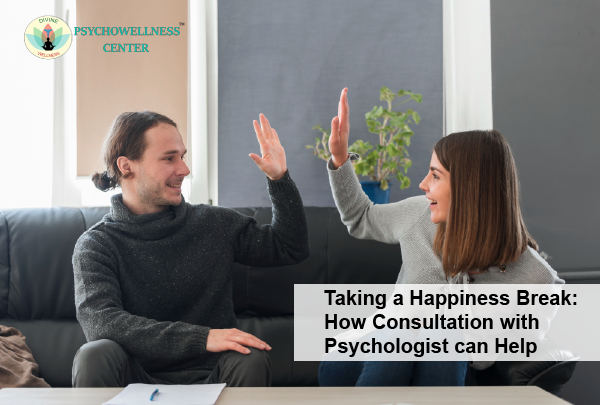
In the fast-paced rhythm of modern life, happiness often becomes something we postpone- saved for weekends, vacations, or “someday” when things slow down. However, emotional well-being does not thrive on delay. Just as our bodies need rest, our minds require intentional pauses. Taking a “happiness break” is not about escaping responsibilities; it is about reconnecting with yourself. One of the most effective ways to do this is by seeking guidance from a mental health professional who can help you understand, reset, and rebuild your emotional balance.
What Is a Happiness Break?
A happiness break is a conscious pause taken to nurture your emotional and psychological well-being. It may involve stepping back from stressors, reflecting on your thoughts, or engaging in activities that bring joy and calm. However, for many individuals, simply taking time off is not enough. Persistent worries, emotional patterns, or internal conflicts can make it difficult to truly relax. This is where psychological counselling becomes valuable. It provides a structured and supportive space to explore what is affecting your well-being and how to address it effectively.
Why We Often Struggle to Feel Happy
Despite external achievements, many people report feeling stuck, overwhelmed, or disconnected. Emotional challenges such as stress, anxiety, and even mild forms of depression can quietly build up over time, affecting daily functioning and relationships.
Modern lifestyles contribute significantly to this. Constant connectivity, workplace demands, and social expectations can lead to burnout, leaving individuals emotionally exhausted. Additionally, unresolved personal issues or ongoing work or school problems may create a cycle where rest does not feel restorative. Without addressing the root causes, temporary breaks may provide relief but not lasting happiness.
The Role of a Psychologist in a Happiness Break
Consulting a psychologist transforms a simple break into a meaningful process of self-discovery and healing. Rather than just stepping away from stress, individuals learn how to understand and manage it. Professionals trained in cognitive-behavioural therapy help individuals identify negative thought patterns that impact mood and behaviour. For example, someone who constantly feels inadequate may learn to challenge self-critical thoughts and replace them with more balanced perspectives. Similarly, approaches like motivational interviewing encourage individuals to explore their goals and values, helping them reconnect with what truly brings satisfaction and purpose.
Creating Emotional Awareness
One of the first steps in taking a happiness break is becoming aware of your emotional state. Many people operate on autopilot, ignoring their feelings until they become overwhelming. This awareness not only reduces emotional confusion but also helps individuals respond thoughtfully rather than react impulsively.
Managing Stress and Emotional Overload
A happiness break is incomplete without learning how to manage stress effectively. Developing stress management techniques enables individuals to handle challenges without feeling overwhelmed. Instead of avoiding stress, they learn to navigate it with resilience and clarity. Over time, this reduces emotional fatigue and improves overall well-being.
Rebuilding Self-Connection
One of the most overlooked aspects of happiness is the relationship we have with ourselves. Constant external demands can create a disconnect from personal needs, desires, and values. Through therapy, individuals begin to rebuild this connection. They explore their strengths, acknowledge their struggles, and develop a more compassionate self-view. For those experiencing low self-confidence, this process can be transformative. By understanding their worth beyond achievements or external validation, individuals begin to experience a more stable and authentic sense of happiness.
Improving Relationships Through Inner Work
Happiness is deeply connected to the quality of our relationships. When individuals are emotionally overwhelmed, it often reflects in their interactions with others, leading to misunderstandings or relationship problems. A happiness break guided by therapy helps individuals improve communication, set boundaries, and develop empathy. As they become more emotionally balanced, their relationships also begin to improve. In some cases, therapists may recommend couples therapy or family sessions to address relational concerns more directly.
Addressing Deeper Emotional Patterns
Sometimes, the inability to feel happy is linked to deeper emotional patterns such as unresolved trauma, chronic stress, or long-standing habits of negative thinking. Therapeutic approaches like acceptance and commitment therapy focus on helping individuals accept difficult emotions while committing to actions aligned with their values. By addressing these deeper layers, a happiness break becomes more than a temporary pause—it becomes a turning point for long-term emotional growth.
Accessibility of Mental Health Support
One of the significant advantages today is the accessibility of mental health services. Individuals can now connect with professionals through online counselling, making it easier to seek support without disrupting daily routines. Whether someone is looking for the best therapist in India or simply exploring options for support, online platforms provide flexibility and privacy. This accessibility encourages more people to prioritise their mental health without hesitation.
Making Happiness a Sustainable Practice
A happiness break is not a one-time event but the beginning of a healthier relationship with oneself. The goal is to integrate the insights gained during therapy into daily life. This may include setting boundaries at work, engaging in regular self-care, maintaining supportive relationships, and continuing reflective practices. Over time, individuals learn that happiness is not dependent on external circumstances alone- it is cultivated through awareness, intention, and consistent effort.
Conclusion
Taking a happiness break is a powerful step toward reclaiming emotional well-being in a demanding world. While temporary pauses can offer relief, true and lasting happiness often requires deeper self-exploration and support. Consulting a psychologist provides the tools and guidance needed to understand emotional patterns, manage stress, and rebuild a meaningful connection with oneself. Through various approaches, individuals can move beyond surface-level relief and create lasting change. Ultimately, a happiness break is not about stepping away from life; it is about learning how to live it more fully, with clarity, balance, and a renewed sense of purpose.
The Psychowellness Center (Contact: 011-47039812 / 7827208707), with locations in Dwarka Sector-17 and Janakpuri, New Delhi, offers specialised therapeutic care through personalised counselling approaches focused on emotional regulation, stress management, and overall well-being. Additionally, for individuals searching for the best psychologist near me or seeking flexible, accessible support, online platforms like TalktoAngel connect them with experienced professionals who help enhance emotional resilience, manage anxiety, and promote long-term psychological well-being. Together, these evolving mental health services make taking a meaningful happiness break more practical, accessible, and impactful than ever.
To further understand how happiness can be nurtured in daily life, you can explore the YouTube page of Psychowellness Center, where videos on happiness offer practical insights and strategies that complement the idea of taking a mindful and effective happiness break.
Contributions: Dr. R.K. Suri, Clinical Psychologist, and Ms. Arushi Srivastava, Counselling Psychologist
References
- Seligman, M. E. P. (2011). Flourish: A visionary new understanding of happiness and well-being. Free Press.
- Beck, J. S. (2011). Cognitive behavior therapy: Basics and beyond (2nd ed.). Guilford Press.
- Hayes, S. C., Strosahl, K. D., & Wilson, K. G. (2012). Acceptance and commitment therapy: The process and practice of mindful change (2nd ed.). Guilford Press.
- World Health Organization. (2022). Mental health and well-being. https://www.who.int
- American Psychological Association. (2020). The road to resilience. https://www.apa.org