
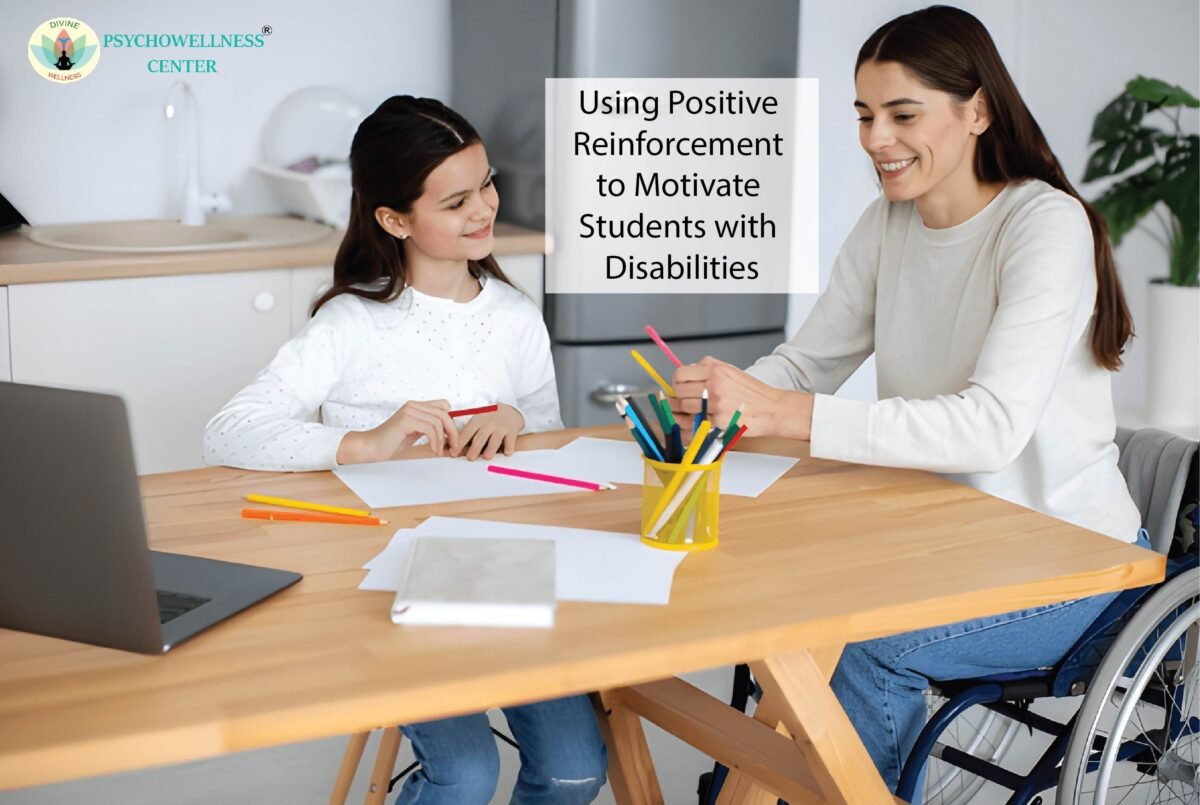
Motivating students with disabilities requires patience, understanding, and strategies that build confidence rather than pressure. One of the most effective and evidence-based approaches in inclusive education is positive reinforcement. This method focuses on encouraging desirable behaviours by rewarding effort, progress, and persistence. When used thoughtfully, positive reinforcement can significantly improve learning outcomes, emotional well-being, and classroom engagement for students with diverse needs.
Students with disabilities often face unique academic and emotional challenges. Conditions such as learning disabilities, ADHD, and autism can affect attention, memory, communication, and social interaction. These challenges may increase stress levels, lower self-esteem, and trigger anxiety, making motivation difficult. Positive reinforcement helps counter these difficulties by creating a supportive environment where students feel valued and capable.
Understanding Positive Reinforcement
Positive reinforcement involves acknowledging and rewarding positive behaviour to encourage its repetition. Rewards do not always need to be tangible; verbal praise, encouragement, extra playtime, or leadership opportunities can be equally powerful. The key is consistency and personalisation. What motivates one child may not motivate another, especially when developmental and emotional needs vary.
For students with disabilities, reinforcement should focus on effort rather than perfection. Small achievements—such as completing a task, following instructions, or attempting communication—deserve recognition. This approach helps strengthen the child’s belief in their abilities and fosters a healthier relationship with learning.
Why Positive Reinforcement Works for Students with Disabilities
Many students with disabilities experience repeated academic failure or negative feedback, which can discourage them from trying. Positive reinforcement shifts the focus from mistakes to strengths. For example, children with speech delay or developmental delay may take longer to express themselves, but praising attempts at communication builds confidence and motivation.
Behavioural and therapeutic approaches such as ABA (Applied Behaviour Analysis) commonly use positive reinforcement to support skill development, especially for children on the autism spectrum. Reinforcement helps reinforce desired behaviours while reducing frustration and emotional outbursts. Additionally, emotional and psychological interventions like Cognitive Behavioural Therapy (CBT) integrate reinforcement by helping children recognise positive behaviours and rewarding adaptive thought patterns. Over time, this strengthens emotional regulation and resilience.
Classroom and Therapeutic Applications
In educational settings, positive reinforcement can be implemented through individualised education plans (IEPs). Teachers may use reward charts, verbal appreciation, or peer recognition to motivate students. However, these strategies must be flexible. Over-rewarding or using the same incentive repeatedly can reduce effectiveness.
Therapeutic support also plays a crucial role. Interventions such as play therapy allow children to express emotions and practice social skills in a safe, motivating environment. When therapists positively reinforce cooperation, sharing, or emotional expression, children become more engaged and open to learning.
Support from professionals like a child psychologist ensures that reinforcement strategies align with the child’s emotional and cognitive development. Similarly, structured child counselling sessions help address emotional barriers that interfere with motivation, such as fear of failure or low self-confidence.
Role of Parents and Caregivers
Parents are essential partners in reinforcing positive behaviours and play a critical role in sustaining motivation beyond the classroom. Consistency between home and school environments strengthens learning outcomes and helps children feel secure and understood. When parents praise effort rather than results, celebrate small achievements, and set realistic expectations, children are more likely to develop confidence and persistence. Creating structured routines and using encouraging language further supports emotional regulation. It is equally important for parents to avoid comparisons with peers, as each child progresses at a unique pace. Positive reinforcement should emphasise individual growth, resilience, and continuous improvement rather than external benchmarks or competition.
Creating a Supportive Learning Environment
A positive environment goes beyond rewards. It includes emotional safety, predictable routines, and empathetic communication. When students feel understood, they are more willing to participate and take risks in learning. Educators and therapists should collaborate to monitor progress and adjust reinforcement strategies. As children develop skills, reinforcement can gradually shift from external rewards to intrinsic motivation, encouraging independence and self-confidence.
Conclusion
Positive reinforcement plays a vital role in motivating students with disabilities by strengthening confidence, encouraging consistent effort, and supporting emotional well-being. When families search for child counselling near me, a child psychologist near me, professional guidance can make a meaningful difference in helping children manage learning and behavioural challenges effectively. Those seeking the best Child counseling in Delhi often benefit from centres that integrate educational strategies with therapeutic care.
In this context, the Psychowellness Center, located in Dwarka Sector-17 and Janakpuri, New Delhi, is recognised for its specialised ADHD counselling delivered through personalised therapeutic approaches that support attention regulation, emotional balance, and everyday functioning; parents can reach the centre at 011-47039812 or 7827208707 for structured support aligned with a child’s developmental needs. Alongside in-person care, Talktoangel online counselling also offers accessible mental health support, helping families maintain continuity of guidance while reinforcing positive learning behaviours at home and school.
Learn More: https://youtube.com/shorts/RrZU3eA1LCA?si=T5P6uDhQo5Tzrv1p
https://youtube.com/shorts/PI751E3icj8?si=tSmoVAUCwsHcYt4j
https://youtu.be/RQi0Vfe9OmQ?si=m23x3SboCpLrQ6
https://youtu.be/R4Nem4okMPU?si=4P846hgxhG7apaOK
Contribution: Dr. R.K. Suri, Clinical Psychologist, and Ms. Drishti Rajore, Counselling Psychologist
References
- Bandura, A. (1997). Self-efficacy: The exercise of control. New York, NY: W. H. Freeman and Company.
- Cooper, J. O., Heron, T. E., & Heward, W. L. (2020). Applied behaviour analysis (3rd ed.). Hoboken, NJ: Pearson Education.
- Kazdin, A. E. (2017). Behaviour modification in applied settings (7th ed.). Long Grove, IL: Waveland Press.