
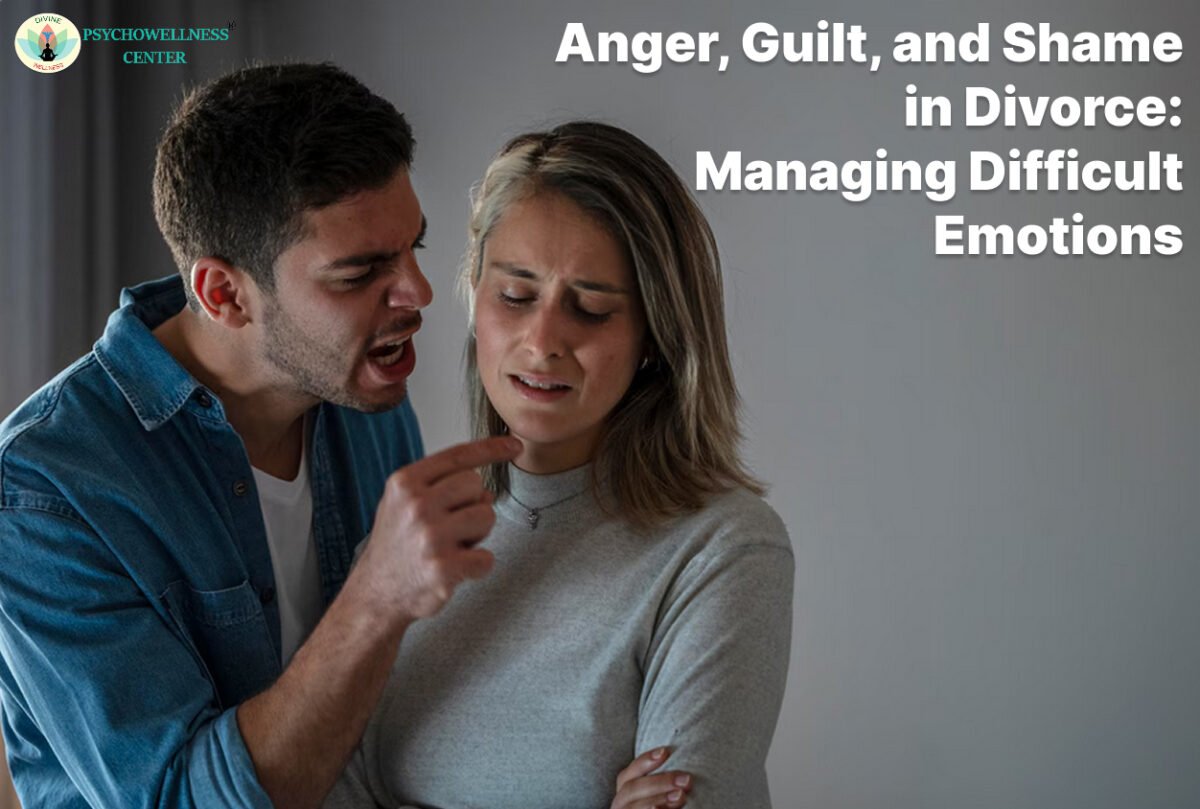
Divorce is not just a legal separation; it is an emotional earthquake that can disrupt every aspect of life. For many people, the end of a marriage triggers intense stress, anxiety, and even depression, along with complex emotions like anger, guilt, and shame. These feelings often coexist, feeding into each other and creating a cycle that is difficult to break. Understanding and managing these emotions is essential for healing, protecting physical health, and rebuilding a meaningful life after divorce.
The Emotional Impact of Divorce
One of the most stressful experiences in life is generally acknowledged to be divorce. The sudden changes in identity, routine, relationships, and friendship circles can feel overwhelming. Many people experience emotional burnout, low motivation, and persistent sadness. In some cases, the emotional toll rises to the level of trauma, particularly when divorce involves domestic violence, emotional abuse, or long-standing couple conflicts.
Sleep disturbances are common during this period. Difficulty falling or staying asleep can worsen anxiety, increase irritability, and reduce the ability to regulate emotions. Over time, chronic lack of sleep can contribute to hypertension, weakened immunity, and even chronic pain, making recovery more challenging.
Anger: The Most Visible Emotion
Anger is often the most outwardly expressed emotion during divorce. It may be directed at an ex-partner, oneself, family members, or even the legal system. Anger can stem from feelings of betrayal, rejection, or unmet expectations, especially when the relationship feels like a toxic relationship or involves dependence and control.
While anger can feel empowering at first, unresolved anger increases stress, worsens emotion control, and may lead to destructive behaviors. A person’s physical and mental health may suffer as a result of severe outbursts of uncontrollable rage that lead to verbal abuse or domestic violence.
Healthy anger management is not about suppression. It involves acknowledging anger, understanding its source, and finding safe outlets, such as journaling, exercise, or mindful breathing. Practicing stress management techniques can prevent anger from turning into long-term resentment or health problems.
Guilt: Carrying the Weight of “What Ifs”
Guilt often arises from questioning past decisions: Did I try hard enough? Did I hurt my children? Could I have saved the marriage? These thoughts can loop endlessly, leading to depression, low motivation, and self-blame. Guilt is especially heavy when children are involved or when divorce clashes with cultural, religious, or family expectations.
Excessive guilt can also contribute to communication disorder patterns, where individuals struggle to express needs or set boundaries. Instead, they may overcompensate, remain emotionally stuck, or maintain unhealthy contact with an ex-partner.
Learning to distinguish between responsibility and self-punishment is critical. Taking responsibility for mistakes allows growth, but chronic guilt keeps people trapped in emotional pain. Mindful self-compassion helps individuals acknowledge guilt without letting it define their self-worth.
Shame: The Silent Struggle
Shame targets identity, as opposed to guilt, which concentrates on behavior. It whispers, I am a failure. Shame is often intensified by social comparison, especially in a world of curated social media images showing “perfect” families and relationships. This can lead to withdrawal, loneliness, and social anxiety, making it harder to seek support.
Shame may also stem from staying too long in an abusive or toxic relationship, or from experiences of emotional abuse that eroded self-esteem over time. In some cases, divorce reactivates earlier trauma, resulting in symptoms similar to Post Traumatic Stress Disorder, such as intrusive thoughts, emotional numbness, or hypervigilance.
Breaking free from shame requires connection. Safe conversations with trusted friends, support groups, or professionals remind individuals that divorce is a family problem involving complex dynamics, not a personal failure.
The Mind-Body Connection
Emotional distress during divorce does not stay confined to the mind. Prolonged stress and anxiety can manifest physically through headaches, digestive issues, hypertension, fatigue, and chronic pain. When emotions are suppressed, the body often carries the burden.
Mindfulness practices play a powerful role in healing this mind-body connection. Mindfulness encourages present-moment awareness without judgment, helping individuals observe anger, guilt, and shame rather than being consumed by them. Simple practices like body scans, mindful breathing, or short daily meditation sessions can reduce stress hormones, improve sleep, and support emotional balance.
Rebuilding Relationships and Identity
Divorce reshapes social life. Some friendships may fade, while new connections form. Rebuilding relationships after divorce requires patience and self-awareness. Fear of rejection, social anxiety, or unresolved anger can interfere with healthy bonding.
It is also common to struggle with trust after betrayal or prolonged conflict. Gradual openness, clear boundaries, and honest communication help rebuild confidence. Developing new routines, hobbies, and goals restores a sense of identity beyond marriage and counteracts loneliness and low motivation.
Practical Strategies for Managing Difficult Emotions
- Acknowledge your feelings without judgment. Anger, guilt, and shame are natural responses to loss.
- Practice stress management through exercise, mindfulness, or creative outlets.
- Improve sleep hygiene to support emotional regulation.
- Limit social comparison, especially on social media.
- Seek safe support to avoid isolation and emotional overload.
- Set boundaries to reduce ongoing conflict and emotional dependence.
These strategies are not quick fixes, but consistent practice builds resilience over time.
Conclusion: Seeking Support and Healing
Divorce can leave deep emotional wounds, but it can also become a powerful turning point for growth and self-discovery. When anger, guilt, shame, or trauma feel overwhelming, professional support can make a meaningful difference. Online therapy through TalktoAngel offers accessible, confidential support with experienced therapists, while in-person counselling at Psychowellness Center in Dwarka Sector-17 and Janakpuri (011-47039812 / 7827208707) provides compassionate, structured care through approaches such as Cognitive Behaviour Therapy, trauma-informed therapy, emotional regulation training, and relationship counselling. Healing after divorce is not about erasing the past, it is about learning to live fully again, with greater awareness, emotional strength, and self-compassion, supported by the right guidance at every step.
Contribution: Dr. R.K. Suri, Clinical Psychologist, and Ms. Drishti Rajore, Counselling Psychologist
References
Diamond, E. (2023, December 6). How divorce affects mental health and strategies for coping. Psychreg. https://www.psychreg.org/how-does-divorce-affect-your-mental-health-strategies-coping/ Psychreg
Aishwarya Sandeep. (2024). Impact of divorce on mental health: A closer look. https://aishwaryasandeep.in/impact-of-divorce-on-mental-health-a-closer-look/ aishwaryasandeep.in
Texila Journal. (n.d.). Effects of divorce on women and children. https://www.texilajournal.com/public-health/article/1814-effects-of-divorce texilajournal.com
https://www.psychowellnesscenter.com/Blog/art-of-practising-emotional-hygiene-in-daily-life/
https://www.psychowellnesscenter.com/Blog/relationship-counselling-divorce-counselling/
https://www.psychowellnesscenter.com/Blog/why-men-mask-sadness-as-anger/
https://www.talktoangel.com/area-of-expertise/emotional-abuse
https://www.psychowellnesscenter.com/Blog/navigating-the-unkindness-of-your-child/
https://www.talktoangel.com/blog/signs-and-treatment-for-scapegoating-in-relationships
https://www.talktoangel.com/blog/social-identity-of-isolation-and-fear-of-unhealed-shame
https://www.talktoangel.com/blog/to-be-seen-or-to-be-safe-the-emotional-paradox
https://www.talktoangel.com/blog/rebuilding-confidence-after-being-cheated-on