
Anxiety is one of the most common mental health disorders worldwide, affecting millions of individuals across all ages and backgrounds. It can manifest as persistent worry, restlessness, tension, panic attacks, or physical symptoms like rapid heart rate, sweating, and gastrointestinal issues. Whether caused by chronic stress, trauma, genetics, or environmental factors, anxiety can significantly impact daily functioning, relationships, and overall quality of life.
But the good news is: anxiety is treatable, and recovery is possible. While there’s no one-size-fits-all solution, a consistent and well-rounded strategy, what we call the Anxiety Recovery Formula, can help people regain control over their thoughts, emotions, and lives. This blog outlines evidence-based actions and therapeutic strategies rooted in psychological science that aid in the recovery from anxiety disorders.
1. Understand the Root of Anxiety
Recovery starts with awareness. Anxiety isn’t just “overthinking” or being “too sensitive”, it’s a neurobiological and psychological condition involving the amygdala, prefrontal cortex, and autonomic nervous system.
Understanding how anxiety works in the brain reduces shame and increases empowerment. It’s a fight-or-flight response that’s either overactive due to past trauma, high stress, or genetic predispositions. Recognising this physiological response helps you stop blaming yourself and start managing symptoms with compassion and strategy.
Pro tip: Keep a journal to identify anxiety triggers and patterns. This builds cognitive insight, a key component in therapies like Cognitive Behavioural Therapy (CBT).
2. Seek Professional Help
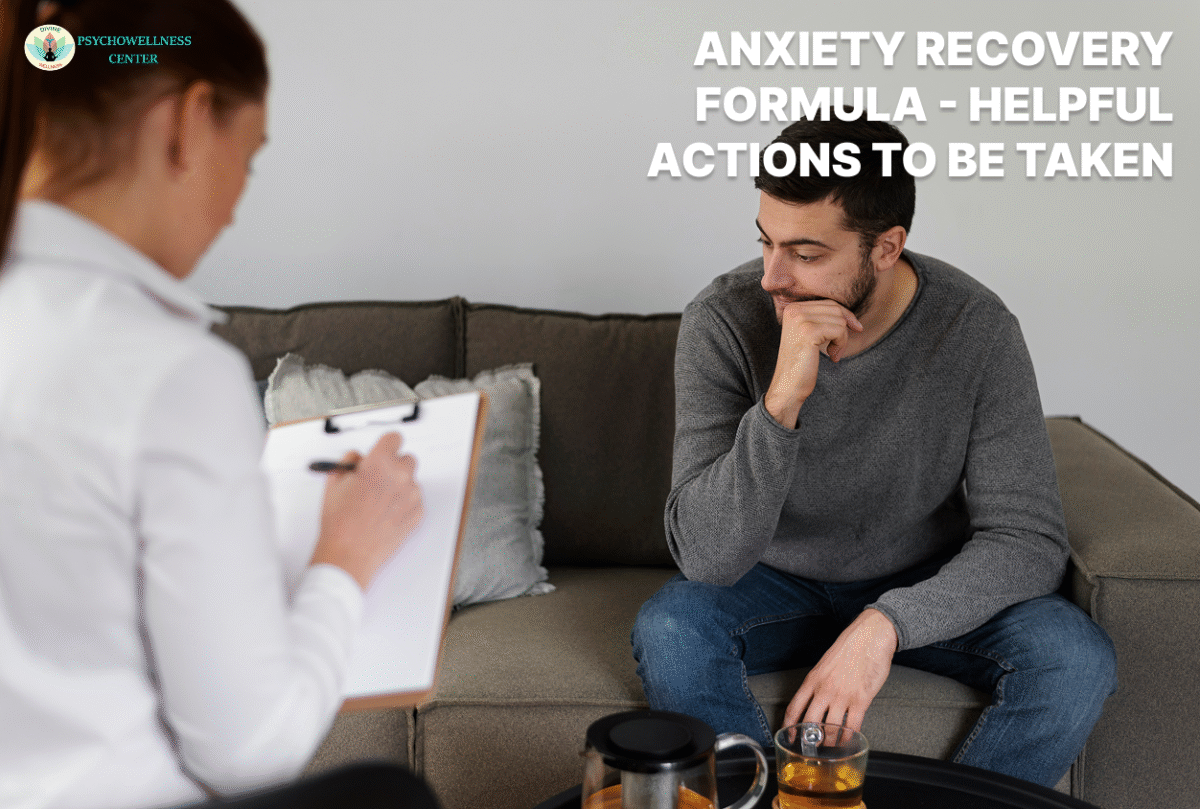
One of the most critical actions you can take is seeking help from a licensed psychologist or mental health counsellor. Psychotherapy, especially CBT, has been scientifically proven to reduce anxiety by helping individuals challenge irrational thoughts and replace them with balanced, realistic thinking.
Other modalities include:
- Acceptance and Commitment Therapy (ACT) – Helps you accept anxious feelings and commit to actions aligned with your values.
- Mindfulness-Based Stress Reduction (MBSR) – Focuses on cultivating present-moment awareness.
- Eye Movement Desensitisation and Reprocessing (EMDR) – Especially helpful for anxiety rooted in trauma.
If you’re searching for the best psychologist near me, make sure they are experienced in treating anxiety disorders and use evidence-based approaches. Teletherapy options like TalktoAngel or in-person sessions at centres such as Psychowellness Center in Janakpuri and Dwarka Sector-17, Delhi, can offer reliable support.
3. Regulate the Nervous System
Anxiety keeps your body in a sympathetic state, tense, alert, and overstimulated. To recover, you must teach your body to shift into parasympathetic mode, calm, safe, and grounded.
Try these daily nervous system-regulation techniques:
- Deep diaphragmatic breathing (4-7-8 technique)
- Progressive muscle relaxation
- Yoga or tai chi
- Body scan meditations
These strategies engage the vagus nerve, a key player in reducing anxiety and increasing a sense of safety in the body.
4. Rewire Anxious Thinking
One of anxiety’s most damaging symptoms is catastrophic thinking or cognitive distortions—irrational thought patterns that lead to excessive worry.
Examples include:
- Fortune-telling: “Something bad will happen.”
- Thinking in black and white: “I’m a failure if I fail once.”
- Mind reading: “They think I’m weird.”
In therapy, you’ll learn to recognise these distortions and reframe them using cognitive restructuring techniques. A daily thought log or using CBT-based apps can help you practice this on your own.
5. Lifestyle Changes Matter
Your body and brain are deeply interconnected. Lifestyle factors can either increase or reduce anxiety:
- Nutrition: Stabilise blood sugar with balanced meals. Reduce caffeine and alcohol.
- Exercise: Regular aerobic activity increases GABA and endorphins, which reduce anxiety.
- Sleep hygiene: Create a calming routine and aim for 7–9 hours of sleep.
- Social connection: Loneliness amplifies anxiety. Prioritise safe, supportive relationships.
These changes support neuroplasticity, the brain’s ability to rewire itself for calm, clarity, and resilience.
6. Embrace Mindfulness and Self-Compassion
Mindfulness helps you observe your thoughts without judgment. It teaches you that you are not your anxiety. You’re the observer, not the symptom.
According to Dr. Kristin Neff, you should be compassionate to yourself as you would to a friend who is going through a difficult time. It is a powerful antidote to the shame and self-criticism that often accompany anxiety.
Daily practice ideas:
- 10 minutes of mindful breathing
- Writing a compassionate letter to yourself
- Using the RAIN technique: Recognise, Allow, Investigate, Nurture
7. Build a Personalised Recovery Toolkit
Your Anxiety Recovery Formula should be as unique as you are. Build a toolkit that includes:
- Go-to grounding exercises
- A list of calming affirmations
- Supportive people you can talk to
- Emergency self-care strategies
- Favourite calming music or nature sounds
Keep this toolkit accessible, whether in a journal, an app, or even a sticky note on your mirror.
8. Be Patient and Consistent
Recovery isn’t linear. There will be setbacks, but that doesn’t mean failure. Think of anxiety recovery as mental fitness. Just like physical fitness, consistency and small daily efforts make the biggest difference over time.
Celebrate small wins. Whether it’s making a phone call you were anxious about, attending a therapy session, or simply getting out of bed, acknowledge your effort.
Conclusion
Anxiety recovery isn’t about eliminating all fear or discomfort. To stop anxiety from taking over your life, you must alter your relationship with it. By combining professional support, nervous system regulation, cognitive reprogramming, lifestyle changes, and self-compassion, you can take back your peace and live with greater purpose, presence, and power.
Think of this as your Anxiety Recovery Formula, a set of helpful actions to be taken consistently, including therapy, mindfulness, healthy habits, and emotional resilience. Although you might not be able to completely avoid all triggers, you can develop the strength, self-compassion, and intention to respond instead of react.
If you’re looking for the best psychologist near me, consider reaching out to expert platforms like TalktoAngel or visiting the Psychowellness Centre in Delhi. The Psychowellness Centre provides in-person therapy with qualified psychologists specialised in trauma, emotional regulation, and anxiety management. It is situated in Janakpuri and Dwarka Sector-17 (011-47039812 / 7827208707). TalktoAngel offers private, secure online counselling for remote support, delivering professional advice right to your door.
This piece draws upon the expertise of Dr. R.K. Suri, Clinical Psychologist, and Ms. Mansi, Counselling Psychologist
This blog was posted on 12 September 2025
References
American Psychiatric Association. (2022). Diagnostic and statistical manual of mental disorders (5th ed., text rev.; DSM-5-TR). https://doi.org/10.1176/appi.books.9780890425787
Clark, D. A., & Beck, A. T. (2011). Cognitive therapy of anxiety disorders: Science and practice. Guilford Press.
Neff, K. D. (2011). Self-compassion: The proven power of being kind to yourself. William Morrow.
https://www.psychowellnesscenter.com/service-anxiety-treatment-in-delhi/
https://www.psychowellnesscenter.com/Blog/how-to-find-support-for-generalized-anxiety-disorder/
https://www.psychowellnesscenter.com/Blog/best-psychologist-in-dwarka-for-anxiety-and-depression/
https://www.talktoangel.com/area-of-expertise/anxiety
https://www.talktoangel.com/blog/anxiety-disorders-causes-symptoms-types-and-treatment