
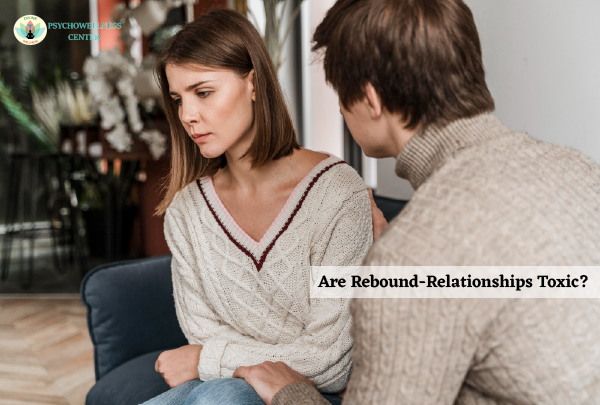
Rebound relationships are often a topic of debate in conversations about love, healing, and emotional recovery after a breakup. Many people wonder whether starting a new relationship soon after ending a previous one is healthy or harmful. The idea of a rebound relationship usually refers to entering a romantic connection quickly after a breakup, often before fully processing the emotional impact of the previous relationship. While some rebounds may offer temporary comfort or distraction, others may create emotional complications if underlying feelings remain unresolved. Understanding the emotional dynamics behind rebound relationships can help individuals make healthier choices and build stronger, more meaningful connections in the future.
Understanding What a Rebound Relationship Really Is
A rebound relationship typically occurs when someone begins dating again soon after ending a significant romantic relationship. This new connection may provide emotional relief, companionship, or a sense of validation during a vulnerable period. However, the emotional motivations behind such relationships can vary widely.
For some individuals, a rebound relationship may be a way to cope with feelings of loneliness, grief, or uncertainty that arise after a breakup. Others may seek reassurance that they are still valued or capable of forming emotional bonds. In these cases, the new relationship becomes less about genuine connection and more about managing the emotional discomfort associated with the end of a previous relationship.
Rebound relationships are not always negative. Sometimes they help people regain confidence, rediscover their sense of identity, and move forward in life. However, when the emotional wounds of the past relationship remain unresolved, the new partnership may face challenges related to relationship problems and emotional instability.
Why People Enter Rebound Relationships
Breakups can trigger a wide range of emotions, including sadness, confusion, anger, and insecurity. For many individuals, the sudden absence of emotional closeness can feel overwhelming. In such situations, starting a new relationship may seem like a way to regain a sense of stability and connection.
One common reason people pursue rebounds is the desire to avoid feelings of loneliness or loss. The end of a relationship often disrupts daily routines and emotional support systems, leaving individuals searching for comfort and familiarity.
Another factor is the need to rebuild self-esteem. When relationships end, people sometimes question their worth or attractiveness. A new romantic interest can temporarily restore confidence and provide reassurance. However, if the relationship is primarily driven by emotional escape rather than genuine compatibility, it may develop into an unstable relationship dynamic where unresolved feelings continue to influence behaviour and expectations.
Are Rebound Relationships Always Toxic?
The common belief that all rebound relationships are toxic is an oversimplification. The outcome of any relationship depends on the emotional readiness and intentions of the individuals involved. In some cases, rebound relationships can actually support healing. A supportive partner may help someone regain optimism, develop healthier perspectives on love, and rebuild trust in relationships. These experiences can sometimes transform emotional pain into opportunities for growth.
However, problems may arise when individuals carry unresolved emotional baggage into the new relationship. If the person constantly compares their new partner to their former one, avoids emotional vulnerability, or uses the relationship as a distraction, the connection may become emotionally strained. When these patterns persist, the relationship may develop signs commonly associated with toxic relationship dynamics, including emotional withdrawal, inconsistent communication, or unrealistic expectations.
Emotional Challenges in Rebound Relationships
Although rebound relationships may initially feel exciting or comforting, they can also involve emotional complications.
Unprocessed Emotional Pain
One of the most significant challenges occurs when individuals suppress rather than process their emotions. Breakups often require time for reflection and healing. Without this process, unresolved feelings can manifest as mood swings, confusion, or emotional distance in the new relationship.
Fear of Vulnerability
Some individuals hesitate to invest emotionally in a rebound relationship because they fear experiencing another heartbreak. This emotional guardedness can prevent genuine intimacy from developing.
Comparisons with the Past
Constantly comparing a new partner to a previous one can undermine the potential for a healthy connection. These comparisons may create unrealistic expectations or feelings of dissatisfaction. Over time, these patterns may lead to recurring relationship issues that affect both partners.
Signs That a Rebound Relationship May Be Unhealthy
While not all rebounds are harmful, certain signs may indicate that the relationship is based on avoidance rather than emotional readiness.
- Moving too quickly: When individuals rush into commitment without truly knowing each other, the relationship may lack a stable emotional foundation.
- Avoiding emotional conversations: If discussions about past relationships or personal feelings are constantly avoided, it may indicate unresolved emotional wounds.
- Seeking validation rather than connection: When the primary goal of the relationship is reassurance or distraction, the emotional bond may remain superficial.
These patterns can contribute to long-term relationship problems, especially if both partners have different expectations from the relationship.
Healing Before Starting a New Relationship
Emotional healing is an important step before entering another serious relationship. Taking time to reflect on past experiences allows individuals to understand their emotional needs, communication patterns, and personal boundaries. Developing healthy boundaries helps prevent repeating unhealthy patterns from previous relationships. Self-reflection also allows individuals to identify what they truly seek in future partnerships.
For many people, focusing on personal well-being, friendships, and hobbies can be helpful during this period. This approach allows emotional recovery to occur naturally rather than rushing into another relationship to fill the void.
The Role of Professional Support in Relationship Healing
Sometimes, breakups can leave deeper emotional wounds that make it difficult to move forward. In such situations, seeking professional guidance can provide valuable support.
Through relationship counselling, individuals can explore their emotional patterns, understand their attachment styles, and develop healthier ways of relating to others. Therapy also provides a safe environment to process emotional pain, rebuild confidence, and learn communication skills that support future relationships.
Evidence-based therapeutic approaches such as CBT (Cognitive-behavioral therapy) help individuals identify negative thought patterns that may affect relationship choices. Similarly, approaches like motivational interviewing can help individuals clarify their goals and strengthen their readiness for healthy emotional connections.
Can Rebound Relationships Become Healthy?
Interestingly, some rebound relationships evolve into meaningful and long-term partnerships. When individuals gradually become more emotionally open and honest about their past experiences, the relationship can shift from being a temporary distraction to a genuine connection. The key factor is emotional awareness. If both partners communicate openly, respect each other’s boundaries, and allow time for trust to develop, the relationship may grow into something stable and supportive. Ultimately, what matters most is not how soon the relationship begins after a breakup but whether the individuals involved are emotionally prepared to invest in a new connection.
Conclusion
Rebound relationships are often misunderstood and labelled as inherently toxic, but the reality is more nuanced. While some rebound relationships may stem from unresolved emotions after a breakup, others can offer comfort, perspective, and opportunities for personal growth. What matters most is emotional readiness, self-awareness, and taking time to process past experiences before forming a new connection. When individuals prioritise healing, honest communication, and emotional balance, they can build healthier and more meaningful relationships in the future.
For those seeking professional guidance, searching for relationship counselling near me can lead to trusted services like Psychowellness Center, which is known for offering some of the best couple counselling services. With access to the best relationship counsellor in Delhi, individuals and couples can better understand emotional patterns, navigate rebound dynamics, and make informed decisions about their relationships. The Psychowellness Center (Contact: 011-47039812 / 7827208707), located in Dwarka Sector-17 and Janakpuri, New Delhi, provides specialised therapeutic care through personalised counselling approaches that support emotional healing, relationship understanding, and overall well-being.
The video on relationship counselling available on the Psychowellness Center YouTube channel further explains how guided support can help individuals recognise the emotional complexities of rebound relationships. It connects closely with the topic by highlighting how professional counselling can prevent unhealthy patterns, encourage self-reflection, and ensure that new relationships are built on clarity rather than unresolved past emotions.
Contribution: Dr. R.K. Suri, Clinical Psychologist, and Ms. Arushi Srivastava, Counselling Psychologist
References
- Brumbaugh, C. C., & Fraley, R. C. (2015). Too fast, too soon? An empirical investigation into rebound relationships. Journal of Social and Personal Relationships, 32(1), 99–118.
- Spielmann, S. S., Joel, S., & Impett, E. A. (2013). Settling for less out of fear of being single. Journal of Personality and Social Psychology, 105(6), 1049–1073.
- Sbarra, D. A., & Emery, R. E. (2005). The emotional sequelae of nonmarital relationship dissolution. Psychological Bulletin, 131(6), 913–934.
- Perilloux, C., & Buss, D. M. (2008). Breaking up romantic relationships: Costs experienced and coping strategies deployed. Evolutionary Psychology, 6(1), 164–181.