
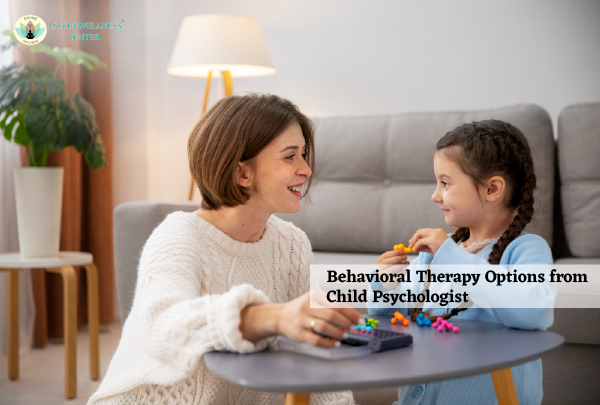
Childhood is a critical period for emotional, behavioural, and cognitive development. During these formative years, children learn how to manage emotions, interact with others, and respond to challenges. However, some children may struggle with behavioural difficulties, emotional distress, attention problems, or developmental concerns that affect their daily functioning. In such situations, behavioural therapy guided by a trained child psychologist can provide structured and supportive strategies that help children develop healthier patterns of thinking and behaviour.
Behavioural therapy focuses on understanding how a child’s actions, emotions, and environment interact. Instead of simply addressing problematic behaviour, therapy explores underlying triggers, emotional needs, and learning patterns that influence a child’s responses. With the help of psychological counselling and supportive family involvement, behavioural therapy can significantly improve a child’s emotional well-being, social skills, and self-regulation abilities.
Understanding Behavioural Therapy for Children
Behavioural therapy is based on the principle that behaviours are learned and can therefore be modified through structured guidance and reinforcement. When children repeatedly experience certain environments, reactions, or expectations, they begin to form patterns that shape their behaviour.
A trained child psychologist helps identify these patterns and works with both the child and caregivers to develop healthier behavioural responses. Behavioural therapy does not aim to “control” children but instead helps them understand emotions, develop coping strategies, and learn appropriate responses to different situations.
Children may benefit from behavioural therapy when they experience difficulties such as emotional outbursts, social withdrawal, learning challenges, or behavioural concerns at school or home. Many families seek support when their child shows signs of ADHD, emotional regulation issues, or difficulty adapting to academic and social environments.
Common Challenges Addressed Through Behavioural Therapy
Children often express emotional distress through behaviour because they may not yet have the language or awareness to communicate their feelings effectively. Behavioural therapy helps decode these signals and address the underlying causes.
Some common concerns addressed through therapy include:
- Persistent temper tantrums and emotional outbursts
- Difficulty focusing or completing tasks associated with Attention-Deficit Hyperactivity Disorder
- Social withdrawal or social isolation
- Experiences of bullying at school or online
- Low self-esteem and lack of confidence
When these concerns are addressed early, children can develop stronger emotional resilience and healthier behavioural patterns.
Cognitive Behavioural Therapy (CBT) for Children
One of the most widely used behavioural interventions for children is Cognitive-behavioral therapy. This therapy helps children understand the relationship between their thoughts, emotions, and actions. For example, a child who believes they are “not good enough” may avoid participating in class or social activities. Through CBT techniques, the therapist helps the child challenge these negative beliefs and develop more balanced thinking patterns.
CBT often includes activities such as:
- Identifying negative thoughts
- Practising problem-solving strategies
- Learning emotional regulation techniques
- Developing coping strategies for stress, anxiety, or depression
Because CBT is structured and skill-based, it can be highly effective in helping children develop long-term coping skills.
Play Therapy: Communicating Through Play
Children often express their feelings more easily through play than through direct conversation. play therapy uses toys, art materials, and creative activities to help children communicate emotions and experiences in a safe and supportive environment. During play therapy sessions, a therapist may observe how a child interacts with objects, role-plays situations, or expresses emotions through storytelling. These activities provide valuable insights into the child’s internal world.
Play therapy is helpful for children experiencing:
- Trauma or emotional stress
- Behavioural challenges
- Adjustment difficulties
- Social development concerns
Through guided play activities, children gradually learn healthier ways to express emotions and resolve conflicts.
Family Therapy and Parental Involvement
Family dynamics and environmental factors often influence children’s behaviours. For this reason, behavioural therapy frequently involves family therapy sessions that support both the child and caregivers. In family therapy, parents learn effective communication strategies, behavioural reinforcement techniques, and methods for creating supportive home environments. When parents understand how to respond constructively to challenging behaviours, children feel more secure and understood. Family involvement also strengthens parent-child relationships, which play a crucial role in a child’s emotional development.
Solution-Focused Brief Therapy for Behaviour Change
Another helpful therapeutic approach for children is solution-focused brief therapy. Unlike therapies that focus extensively on past problems, this method emphasises strengths, goals, and practical solutions. In solution-focused therapy, children are encouraged to identify small successes and build upon them. For example, if a child struggles with anger but successfully manages their emotions during one situation, the therapist helps them recognise and repeat that strategy. This approach can be particularly empowering for children who benefit from clear goals and positive reinforcement.
Behavioural Therapy for Developmental and Neurodivergent Needs
Behavioural therapy also supports children with developmental differences, including autism spectrum disorder. Structured behavioural interventions help children develop communication skills, emotional awareness, and adaptive behaviours.
For children on the autism spectrum, therapy may focus on:
- Improving social communication
- Understanding emotional cues
- Developing daily living skills
- Managing sensory sensitivities
By creating predictable routines and structured learning experiences, behavioural therapy can help children navigate social and academic environments more confidently.
Emotional Regulation and Anger Management
Some children experience intense emotional reactions that they struggle to control. Behavioural therapy provides structured techniques that help children recognise emotions and respond in healthier ways.
Through anger management therapy, children learn skills such as:
- Recognising early signs of frustration
- Practising calming techniques
- Using problem-solving strategies instead of aggressive behaviour
These skills not only reduce behavioural conflicts but also help children develop stronger emotional intelligence.
When Should Parents Seek Help?
Parents often wonder whether their child’s behaviour is a temporary phase or a sign of deeper emotional distress. While occasional behavioural challenges are normal, persistent patterns may indicate the need for professional guidance. Seeking help from a qualified therapist early can prevent small behavioural concerns from developing into larger emotional difficulties. Consulting a trained professional or searching for a psychologist near me can help parents find appropriate support tailored to their child’s needs.
Early intervention can significantly improve outcomes by teaching children emotional awareness, coping strategies, and healthy behavioural responses during their developmental years.
Conclusion
Behavioural therapy provides children with structured guidance to understand emotions, improve behaviour, and develop essential life skills. Through evidence-based approaches such as Cognitive-behavioral therapy, Play therapy, Solution-focused brief therapy, and Family Therapy, children learn healthier ways to manage emotions, build confidence, and strengthen relationships. Early intervention can make a significant difference in helping children overcome behavioural challenges and thrive both socially and academically. With the right professional support, families can better understand their child’s emotional needs and help them develop resilience, healthy coping strategies, and a positive sense of self.
The Psychowellness Center (Contact: 011-47039812 / 7827208707), located in Dwarka Sector-17 and Janakpuri, New Delhi, is recognised for offering specialised therapeutic care for children and families through personalised counselling approaches that foster behavioural development, emotional regulation, and overall well-being. Known for having some of the best psychologists in Delhi, the center is a trusted choice for those searching for a therapist near me or a counsellor near me who can provide compassionate and evidence-based support. Additionally, for individuals seeking flexible and accessible care, online counselling platforms like TalktoAngel connect families with experienced psychologists who offer professional guidance for children’s behavioural concerns and long-term emotional growth.
Additionally, Psychowellness Center’s YouTube videos provide helpful guidance on managing behaviour issue concerns and supporting healthy child development. With expert insights and practical tips, these videos help parents understand their child’s needs and encourage positive emotional and behavioural growth.
Contribution: Dr. R.K. Suri, Clinical Psychologist, and Ms. Arushi Srivastava, Counselling Psychologist
References
- American Psychological Association. (2020). Children and mental health: Understanding therapy for kids.
- Beck, J. S. (2011). Cognitive behaviour therapy: Basics and beyond. Guilford Press.
- Kazdin, A. E. (2017). Parent management training: Treatment for oppositional, aggressive, and antisocial behaviour in children and adolescents. Oxford University Press.
- Landreth, G. (2012). Play therapy: The art of the relationship. Routledge.
- Kazdin, A. E., & Weisz, J. R. (2018). Evidence-based psychotherapies for children and adolescents. Guilford Press.