
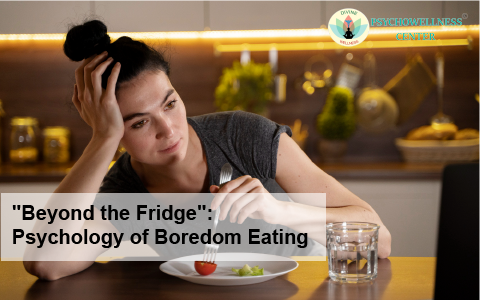
Eating habits have changed significantly worldwide. Many people no longer eat only when they feel physically hungry. Instead, food is often consumed while working, scrolling through social media, watching television, or commuting. This pattern is commonly referred to as boredom eating or mindless eating.
Boredom eating occurs when individuals consume food not because their body needs nourishment, but because they are looking for stimulation, distraction, or emotional comfort. With the increasing presence of screens, multitasking, and easy access to snacks, this behaviour has become increasingly common. Over time, boredom eating can influence eating habits, increase calorie intake, and make weight management more difficult.
For individuals struggling with persistent emotional or mindless eating patterns, consulting a best psychologist in India can help identify the underlying emotional and behavioural triggers behind these habits.
Neuroscience Behind Boredom Eating
Boredom eating is closely connected to how the brain processes reward, motivation, and stimulation. When individuals feel bored, the brain interprets this as a state of low engagement and begins searching for activities that provide quick stimulation. Food, especially items rich in sugar, fat, or salt, can activate the brain’s reward system and temporarily relieve this state.
One of the key neurological mechanisms involved is the release of dopamine, a neurotransmitter associated with pleasure and motivation. When individuals consume enjoyable foods, dopamine is released in reward-related brain regions such as the nucleus accumbens. This makes the behavior more likely to be repeated by reinforcing it.
Over time, repeated boredom eating strengthens neural associations between certain activities and food consumption. For instance, watching television, working at a computer, or scrolling through social media may become conditioned cues for eating. As these associations develop, the brain begins to expect food whenever these activities occur, turning boredom eating into an automatic habit.
Common Characteristics of Boredom Eating
Boredom eating has several patterns that distinguish it from eating driven by physical hunger. Recognizing these signs can help individuals become more aware of their habits.
Common indicators include:
- Eating even when physical hunger is absent
- Snacking while utilizing electronics or watching TV
- Craving comfort foods high in sugar or fat
- Continuing to eat even after feeling full
- Using food primarily to pass time or relieve monotony
Identifying these patterns is often the first step in behavioural change. Mental health professionals frequently work with individuals to increase awareness of such habits through structured counselling and behavioural interventions.
Debunking Boredom Eating from Emotional Eating
Although boredom eating and emotional eating are often confused, they arise from different psychological triggers. Both involve eating in the absence of physical hunger, but their motivations differ.
Low mental stimulation is typically the cause of boredom eating. When individuals feel disengaged or under-stimulated, they may turn to food to create a sense of activity or novelty.
On the other hand, emotional eating is typically brought on by strong emotional states such as anxiety, depression, stress, concern, sorrow, or impatience. Eating becomes a coping mechanism that temporarily reduces emotional distress in these circumstances.
Another key difference lies in awareness. Boredom eating often occurs automatically during routine activities like watching television or working at a computer. Emotional eating tends to be associated with identifiable emotional experiences.
Recognizing this distinction is important because the solutions may differ. Boredom eating may be addressed through lifestyle changes and increased engagement in stimulating activities, whereas emotional eating may require deeper psychological support through psychological counselling near me.
Role of Modern Lifestyle on Eating Habits
Modern lifestyles have created conditions that unintentionally encourage boredom eating. Many individuals spend long hours in sedentary environments, performing repetitive tasks or engaging with digital devices. These routines can lead to mental fatigue and reduced stimulation.
Digital media also plays a role in triggering cravings. Social media platforms frequently display food-related content, advertisements, and cooking videos. These visual cues can stimulate appetite and activate reward pathways in the brain, even when individuals are not physically hungry.
Multitasking further contributes to the problem. Eating while working, studying, or consuming digital content divides attention and reduces awareness of food intake. As a result, individuals may consume larger portions without recognizing feelings of fullness. This can potentially turn into a form of Eating Disorder.
Impact on Eating Behaviour and Weight Management
Boredom eating can significantly affect dietary habits and long-term health outcomes. One of the most immediate effects is an increase in daily calorie intake. Since boredom eating often involves highly palatable snack foods, even small portions consumed repeatedly throughout the day can accumulate substantial calories.
Research on mindless eating suggests that distraction during meals reduces awareness of satiety signals. Individuals who eat while watching television or using electronic devices may consume more food than intended.
Boredom eating can eventually have a number of negative effects:
- Increased calorie intake and potential weight gain
- Reduced sensitivity to hunger and fullness signals
- Emotional frustration or guilt after overeating
- Difficulty maintaining consistent eating habits
These patterns can make weight management more challenging and may contribute to unhealthy dietary behaviours.
Professional Support for Boredom Eating
Professional assistance can be helpful for people who suffer from chronic boredom eating. The top psychotherapist in my region can help clients identify the emotional triggers, behavioral habits, and environmental factors that contribute to mindless eating.
Cognitive behavioral therapy (CBT) is one popular treatment strategy. CBT helps individuals recognize thought patterns and habits that trigger unnecessary eating. By identifying these triggers, individuals can learn healthier coping strategies and behavioural responses.
Another helpful intervention is stress management therapy, which focuses on techniques such as relaxation training, emotional awareness, and coping strategies. Since boredom and stress often overlap, these techniques can reduce the urge to snack impulsively.
Individuals seeking help may consider consulting a therapist near me who specializes in behavioural issues and lifestyle concerns using mindfulness therapy.
Practical Strategies to Reduce Boredom Eating
Several behavioural strategies can help individuals manage boredom eating more effectively.
Helpful approaches include:
- Practicing mindfulness by focusing fully on meals without distractions
- Keeping a food journal to identify triggers for unnecessary snacking
- Engaging in alternative activities such as walking, reading, or creative hobbies
- Establishing structured meal routines throughout the day
- Using stress-management techniques such as meditation or exercise
These strategies help individuals build awareness and gradually replace automatic eating habits with healthier behaviours.
Conclusion
Boredom eating highlights how our mental state and environment shape eating behaviours. In today’s sedentary, digitally driven lifestyles, easy access to highly palatable foods has increased the tendency to eat out of boredom rather than actual hunger.
When individuals experience low engagement, the brain seeks stimulation, and food becomes a quick source of reward. Over time, this creates a habit loop where boredom automatically triggers eating, reinforcing neural reward pathways.
Managing boredom eating involves building awareness, creating structured routines, and engaging in meaningful activities. Simple practices like mindful eating can help restore control and improve self-regulation.
For those experiencing persistent patterns, seeking professional support from the best counselor in Dwarka can be beneficial. Psychowellness Center, with clinics in Janakpuri and Dwarka Sector-17, New Delhi, offers evidence-based interventions for behavioural concerns like emotional and boredom eating. Their team of experienced clinical psychologists and counseling psychologists can be reached at 011-47039812 / 7827208707 for personalized support. Additionally, TalktoAngel serves as a trusted online platform providing convenient access to professional online counselling from qualified Best psychologists in India.
If this pattern continues to affect daily functioning, consulting best psychologists in delhi can help address underlying triggers and promote healthier behavioural patterns.
Contributions: Dr. R.K. Suri, Clinical Psychologist, and Ms. Tina Dahiya, Counselling Psychologist
References
https://www.psychowellnesscenter.com/Blog/what-triggers-anxiousness-in-children/
https://www.psychowellnesscenter.com/Blog/mindful-eating-for-better-mental-clarity/
https://www.psychowellnesscenter.com/Blog/breaking-free-from-emotional-eating/
https://www.psychowellnesscenter.com/Blog/how-does-stress-affects-our-eating-habits/
https://www.psychowellnesscenter.com/Blog/effects-of-diet-on-your-thinking/
https://www.psychowellnesscenter.com/Blog/common-anxiety-symptoms-in-children/
Moynihan, A. B., van Tilburg, W. A., Igou, E. R., Wisman, A., Donnelly, A. E., & Mulcaire, J. B. (2015). Eaten up by boredom: Consuming food to escape awareness of the bored self. Appetite, 85, 81–88. https://doi.org/10.1016/j.appet.2014.11.009
Macht, M. (2008). How emotions affect eating: A five-way model. Health Psychology, 27(2), S166–S171. https://doi.org/10.1037/0278-6133.27.2.S166
Robinson, E., Aveyard, P., Daley, A., Jolly, K., Lewis, A., Lycett, D., & Higgs, S. (2013). Eating attentively: The role of awareness and memory in food consumption. American Journal of Clinical Nutrition, 97(4), 728–742.