
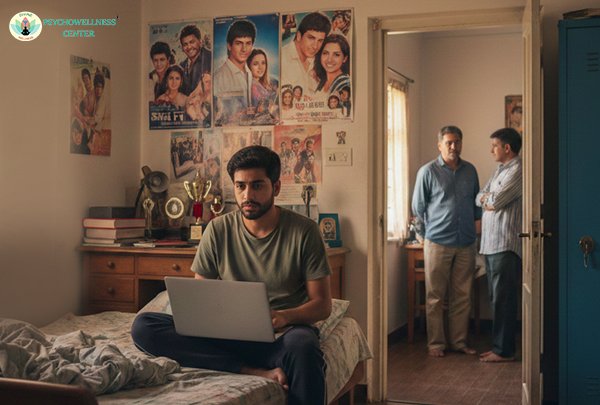
In recent years, a growing number of young adults are returning to live with their parents after completing education or even after starting careers. This phenomenon, commonly referred to as Boomerang Child Syndrome, reflects a broader trend of delayed adulthood in modern society. While returning home may seem practical or even comforting, it can carry psychological, emotional, and relational implications for both parents and adult children. Understanding this phenomenon is important for families to navigate the challenges and foster healthy independence while maintaining strong family bonds.
Understanding Boomerang Child Syndrome
Boomerang Child Syndrome describes the situation where young adults move back in with their parents after having lived independently. These “boomerang children” often return due to financial difficulties, unemployment, high cost of living, relationship breakdowns, or even personal crises. The term also encompasses the emotional and behavioral dynamics that emerge as these adult children readjust to a parental home.
This trend is not entirely new, but economic pressures, rising property prices, student debt, and changes in job markets have made it increasingly common. According to recent studies, a significant portion of young adults in their 20s and even early 30s now return home at least once after leaving. While this can provide temporary support, prolonged dependence may impact personal development, self-esteem, and family dynamics.
Delayed Adulthood: A Broader Perspective
Delayed adulthood refers to the postponement of traditional markers of adult life, such as financial independence, career establishment, long-term relationships, marriage, or parenthood. Societal, economic, and psychological factors contribute to this delay:
- Economic Factors: Rising education costs, housing affordability issues, and competitive job markets make independent living more challenging for young adults.
- Cultural Shifts: Changing societal norms have made co-living with parents more socially acceptable in some cultures, reducing pressure to move out.
- Psychological Factors: Fear of failure, lack of life skills, or low self-confidence can lead young adults to remain in parental homes longer than previous generations.
- Career Uncertainty: Gig economies, unstable employment, and delays in career progression can contribute to financial dependence on parents.
While delayed adulthood can provide young adults with more time to develop skills, pursue education, or save money, it can also create challenges if independence is excessively postponed.
Psychological and Emotional Impacts
Returning home after a period of independence can generate a mixture of relief, guilt, frustration, and tension. For adult children, living with parents may evoke feelings of dependency, loss of autonomy, or embarrassment about not achieving “expected” milestones. It may also reduce motivation to pursue personal or professional goals.
Parents may experience stress, frustration, or anxiety as they adjust to the presence of adult children. Household routines may need to be renegotiated, and boundaries may become blurred. Some parents may feel a renewed sense of purpose and closeness, while others may struggle with overinvolvement, creating friction.
In some cases, the extended co-living arrangement may exacerbate psychological issues, such as anxiety or depression, for both parents and adult children. Effective communication and healthy boundaries are critical in mitigating these risks.
The Role of Family Dynamics
Family dynamics play a significant role in Boomerang Child Syndrome. Some factors influencing the experience include:
- Parental Expectations: Parents may expect children to contribute financially, participate in household responsibilities, or follow family rules. Unrealistic expectations can create conflict.
- Adult Child Autonomy: Children who resist assuming responsibilities or assert independence may prolong dependency and strain relationships.
- Communication Patterns: Open communication fosters understanding, whereas avoidance or passive-aggressive behavior can intensify tension.
- Sibling Dynamics: The return of one adult child may impact other siblings, creating feelings of comparison, jealousy, or inequity.
Addressing these dynamics through family discussions, family counselling, or setting clear expectations can improve co-living arrangements and preserve relationships.
Economic and Social Considerations
Boomerang children often return home due to financial pressures rather than personal choice. The rising cost of living, housing shortages, student debt, and unstable employment make independent living increasingly difficult for young adults. In some cultures, multigenerational living is common and may provide practical benefits, such as shared expenses and childcare support.
However, prolonged dependency may affect social development, limiting opportunities for romantic relationships, networking, and personal growth. It is important for families to recognize these implications and create a balance between support and autonomy.
Coping Strategies for Boomerang Children
Adult children can take steps to maximize personal growth and maintain healthy relationships while living with parents:
- Set Goals: Establish clear personal, educational, or career objectives to maintain motivation.
- Financial Contribution: Contribute to household expenses to foster responsibility and mutual respect.
- Respect Boundaries: Acknowledge household rules and respect family routines.
- Develop Life Skills: Practice cooking, cleaning, budgeting, and time management to build independence.
- Maintain Social Connections: Engage in friendships, hobbies, and community activities to preserve a sense of autonomy.
- Seek Professional Guidance: Counselling can help manage stress, improve self-esteem, and facilitate communication with parents.
Supporting Parents of Boomerang Children
Parents may also benefit from strategies to navigate this transition effectively:
- Encourage Independence: Set realistic expectations for responsibilities and personal growth.
- Maintain Open Dialogue: Communicate feelings and boundaries clearly without criticism.
- Balance Support and Autonomy: Provide guidance and assistance while allowing adult children to make decisions.
- Seek Professional Advice: Family counselling can help address tension, improve understanding, and promote healthier dynamics.
The Role of Counselling
Family and individual counselling can play a significant role in addressing Boomerang Child Syndrome. Child counsellors near me help adult children develop life skills, emotional resilience, and self-confidence. They also guide parents in managing expectations, fostering healthy boundaries, and improving family communication. Therapy can reduce stress, prevent resentment, and promote long-term emotional well-being for all family members.
Conclusion:
Boomerang Child Syndrome and delayed adulthood are increasingly common in modern society. While returning home may offer practical and emotional benefits, prolonged dependency can create challenges for both adult children and parents. Professional support from the best psychologists in India can help families navigate this transition, maintain healthy relationships, and promote independence.
Psychowellness Center is a leading mental health provider in India, offering specialised child counselling for families and adult children dealing with Boomerang Child Syndrome. Their team of experienced best psychologists near me provides evidence-based therapy, life skills coaching, and family guidance. With both online and offline counselling options, Psychowellness Center supports individuals and families in managing emotional challenges, fostering independence, and strengthening family bonds. Located in Janakpuri and Dwarka Sec-17, Delhi, the center is easily accessible for in-person sessions. For appointments or enquiries, call 011-47039812 / 7827208707. Connecting with the Psychowellness Center can be the first step toward achieving a balanced, healthy, and fulfilling family dynamic in the era of delayed adulthood. In India and worldwide, TalktoAngel is the top online counseling platform.
Contribution: Dr. R.K. Suri, Clinical Psychologist, and Ms. Riya, Counselling Psychologist
References
- Arnett, J. J. (2000). Emerging adulthood: A theory of development from the late teens through the twenties. American Psychologist, 55(5), 469–480. https://doi.org/10.1037/0003-066X.55.5.469
- Fingerman, K. L., Chen, P., Hay, E. L., Cichy, K., Lefkowitz, E. S., & Birditt, K. (2012). “The best of ties, the worst of ties”: Close, problematic, and ambivalent social relationships. Journal of Marriage and Family, 74(4), 619–638. https://doi.org/10.1111/j.1741-3737.2012.00991.x
- Lehmann, J., & Schnell, K. (2018). Returning home: Boomerang children and their effect on the parent–child relationship. Journal of Family Studies, 24(2), 123–138. https://doi.org/10.1080/13229400.2017.1368542
- Miller, B. C., & Kroska, A. (2020). Adult children returning home: Psychological implications and family dynamics. Journal of Family Psychology, 34(6), 721–733. https://doi.org/10.1037/fam0000654
- https://www.psychowellnesscenter.com/Blog/supporting-child-growth-through-child-counselling-near-me/