
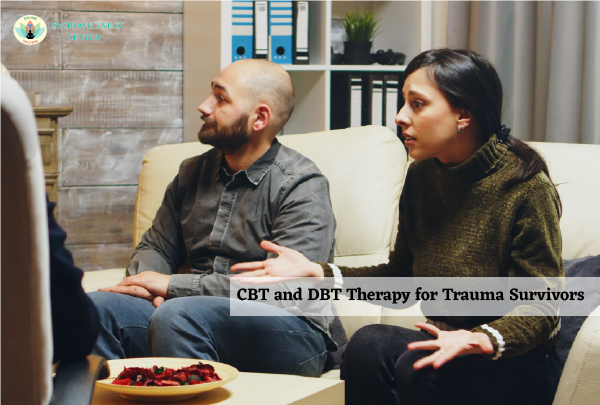
Experiencing trauma can deeply affect a person’s emotional, psychological, and even physical well-being. Traumatic events such as abuse, accidents, loss, violence, or prolonged stress can leave lasting emotional scars that influence how individuals think, feel, and interact with the world. Many trauma survivors struggle with anxiety, intrusive memories, emotional instability, or difficulty trusting others. While healing from trauma takes time, professional psychological support can significantly aid recovery.
Modern psychological treatments offer effective methods to help trauma survivors regain emotional balance and resilience. Among the most widely recommended therapeutic approaches are Cognitive Behavioral Therapy (CBT) and Dialectical Behavior Therapy (DBT). These evidence-based therapies help individuals process traumatic experiences, manage overwhelming emotions, and rebuild a sense of control over their lives. Many individuals begin their search for support by looking for a therapist near me who specializes in trauma-focused therapies.
Understanding Trauma and Its Psychological Impact
When someone watches or experiences an event that exceeds their capacity for coping, trauma results. Such events may include physical or emotional abuse, natural disasters, serious accidents, medical trauma, or sudden loss. Trauma can lead to psychological conditions such as post-traumatic stress disorder (PTSD), anxiety disorders, depression, and emotional dysregulation.
Common symptoms experienced by trauma survivors include:
- Flashbacks or intrusive memories
- Persistent fear or anxiety
- Emotional numbness or detachment
- Difficulty sleeping
- Irritability or anger outbursts
- Refusing to be reminded of the horrific incident
These symptoms can significantly disrupt daily life, relationships, and work performance. Seeking professional support from a counsellor near me can help trauma survivors understand their experiences and begin the healing process.
What is Cognitive Behavioral Therapy (CBT)?
Cognitive Behavioral Therapy (CBT) is one of the most widely used and scientifically supported forms of psychotherapy for trauma recovery. The relationship between ideas, feelings, and actions is the main focus of CBT. It helps individuals identify negative thinking patterns that develop after traumatic experiences and replace them with healthier perspectives.
Trauma survivors often develop beliefs such as “I am not safe,” “The world is dangerous,” or “The trauma was my fault.” These thoughts can reinforce anxiety and emotional distress. CBT helps individuals challenge these beliefs and replace them with more realistic and balanced thinking.
Many individuals search for professional psychological services by looking for a Counseling Center Near me, where trained therapists provide structured CBT sessions tailored to the client’s needs.
How CBT Helps Trauma Survivors
CBT helps trauma survivors in several important ways. First, it helps them recognize how trauma has influenced their thoughts and emotional responses. Second, it teaches coping strategies that allow individuals to manage distressing memories and emotional triggers.
Therapists may use techniques such as:
- Cognitive restructuring to challenge negative beliefs
- Exposure therapy to reduce avoidance behaviors
- Stress management and relaxation techniques
- Behavioral activation to improve mood and motivation
By gradually confronting and reframing traumatic memories in a safe therapeutic environment, individuals can reduce the emotional intensity associated with those memories. Seeking help from a Psychologist near me can provide access to trained professionals who specialize in trauma-focused CBT.
Understanding Dialectical Behavior Therapy (DBT)
Dialectical Behavior Therapy (DBT) is another highly effective therapy for individuals who experience intense emotional responses following trauma. Originally developed for individuals with emotional regulation difficulties, DBT is now widely used to help trauma survivors manage overwhelming feelings.
DBT focuses on teaching practical skills that help individuals regulate emotions, tolerate distress, and build healthier relationships. It combines cognitive therapy techniques with mindfulness practices that help individuals stay grounded in the present moment.
People who experience severe emotional distress or impulsive reactions following trauma may benefit from consulting a Counseling Doctor Near me who can provide DBT-based therapy.
Key Skills Taught in DBT
DBT therapy focuses on four core skill areas that support emotional healing and stability:
1. Mindfulness
Mindfulness teaches individuals how to stay present and observe their thoughts and emotions without judgment. This skill helps trauma survivors reduce rumination and emotional overwhelm.
2. Distress Tolerance
Distress tolerance skills help individuals cope with painful emotions without resorting to harmful coping behaviors. These strategies allow individuals to endure emotional discomfort in a healthy and constructive way.
3. Emotional Regulation
Trauma survivors often struggle with sudden mood swings or intense emotional reactions. Emotional regulation skills help individuals identify triggers and manage emotional responses more effectively.
4. Interpersonal Effectiveness
Relationship communication and trust can be impacted by trauma. DBT teaches skills that help individuals express their needs clearly while maintaining healthy boundaries.
Working with a counseling psychologist near me trained in DBT techniques can help trauma survivors develop these practical life skills.
Combining CBT and DBT for Trauma Recovery
In many cases, therapists combine elements of both CBT and DBT to create a comprehensive treatment plan. While CBT helps individuals reframe negative thought patterns related to trauma, DBT focuses on emotional regulation and coping skills.
Together, these therapies address both the cognitive and emotional aspects of trauma recovery. This integrated approach allows individuals to process traumatic experiences while also learning tools to manage stress, anxiety, and emotional triggers.
Over time, therapy helps individuals regain a sense of safety, rebuild confidence, and reconnect with their daily lives.
The Importance of Professional Support
Trauma recovery is a gradual process that requires patience, understanding, and professional guidance. Many individuals attempt to suppress or ignore their traumatic experiences, but unresolved trauma can continue to affect mental health in the long term.
Seeking professional help provides a structured and supportive environment where individuals can safely explore their emotions and begin healing. Mental health professionals use evidence-based therapies such as CBT and DBT to help individuals develop healthier coping mechanisms and emotional resilience.
Early intervention can prevent trauma-related symptoms from worsening and significantly improve long-term psychological well-being.
Conclusion
Even though trauma can significantly affect a person’s emotional well-being, healing is possible with the right support and therapeutic techniques. Two very successful therapies that assist trauma survivors in processing challenging events, controlling their emotions, and creating better coping mechanisms are dialectical behavior therapy and cognitive behavioral therapy. People might progressively reclaim their self-assurance, emotional equilibrium, and resilience through expert counseling.
For people in need of trauma therapy services, the Psychowellness Center, located in Janakpuri and Dwarka Sector 17, Delhi, provides professional support. You can call 011-47039812 or 7827208707 to schedule an appointment or ask inquiries. Through these services, individuals can connect with certified mental health professionals who provide compassionate, private therapy. offers comprehensive psychological support to individuals experiencing trauma, anxiety, and emotional challenges. The facility offers evidence-based treatments given by skilled mental health specialists committed to promoting healing and wellbeing.
Additionally, TalktoAngel is a reliable online counseling service that connects individuals seeking private therapy sessions with qualified psychologists. People can receive the assistance they need to begin the recovery process through online and in-person counseling programs.
Contribution: Dr. R.K. Suri, Clinical Psychologist, and Ms. Tanu Sangwan, Counselling Psychologist
References
Beck, J. S. (2011). Cognitive behavior therapy: Basics and beyond (2nd ed.). Guilford Press.
Briere, J., & Scott, C. (2015). Principles of trauma therapy: A guide to symptoms, evaluation, and treatment (2nd ed.). Sage Publications.
Linehan, M. M. (2015). DBT skills training manual (2nd ed.). Guilford Press.
Resick, P. A., Monson, C. M., & Chard, K. M. (2017). Cognitive processing therapy for PTSD: A comprehensive manual. Guilford Press.
van der Kolk, B. (2014). The body keeps the score: Brain, mind, and body in the healing of trauma. Viking.
https://www.psychowellnesscenter.com/Blog/therapy-and-treatment-for-delayed-onset-ptsd/
https://www.psychowellnesscenter.com/Blog/trauma-focused-cognitive-behaviour-therapy/
https://www.psychowellnesscenter.com/Blog/how-neuroplasticity-supports-trauma-recovery/
https://www.psychowellnesscenter.com/Blog/how-trauma-affects-your-self-esteem/
https://www.psychowellnesscenter.com/Blog/importance-of-safe-and-supportive-trauma-therapy-sessions/
https://www.psychowellnesscenter.com/Blog/are-somatic-symptoms-signs-of-unresolved-trauma/