
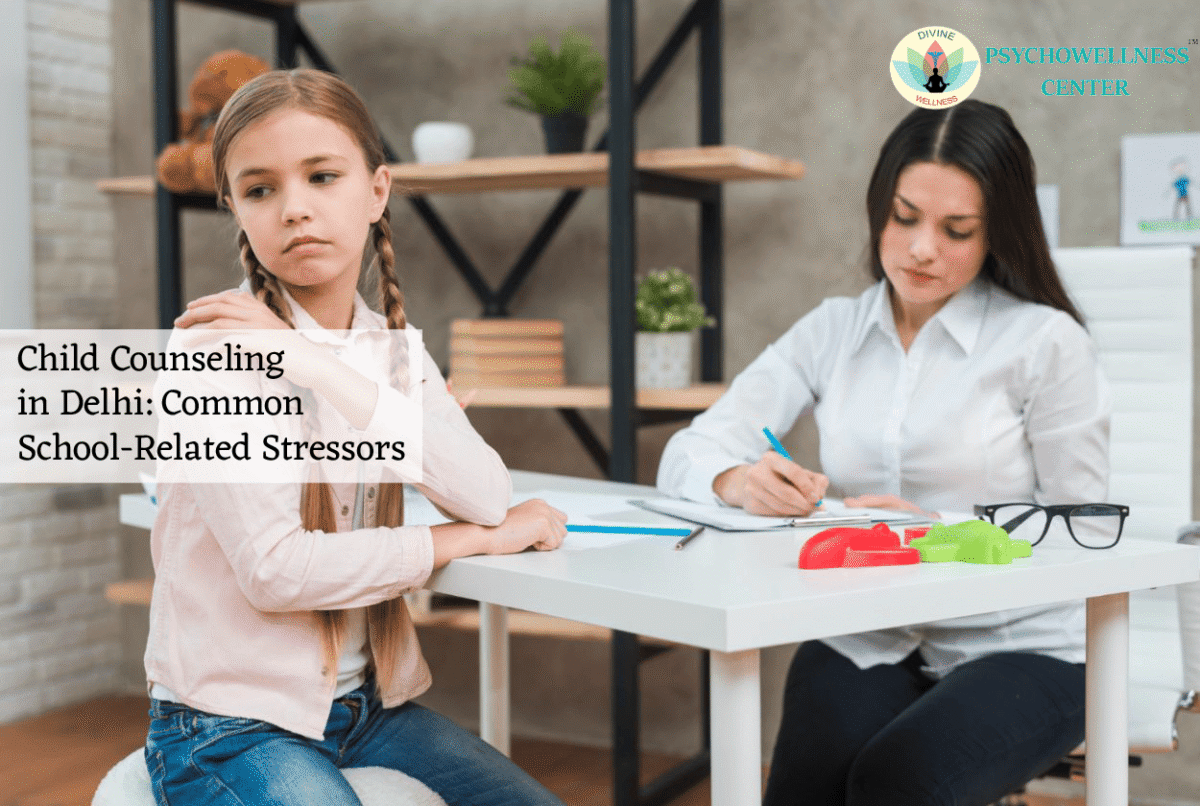
School is meant to be a place of learning, curiosity, and growth. Yet for many children, it becomes a source of emotional pressure, fear, and self-doubt. From academic expectations to peer relationships, performance anxiety to bullying, school-related stressors increasingly affect children’s mental health and overall development. In metropolitan cities like Delhi, where academic competitiveness and parental expectations are often high, these challenges are even more pronounced. From a psychologist’s perspective, early emotional support through child counselling can transform how children experience school, shifting distress into resilience and confidence.
School-related stress refers to emotional, behavioural, or physical distress arising from academic demands, social interactions, performance pressures, or environmental challenges within school settings. While mild stress can motivate children, chronic stress interferes with concentration, memory, emotional regulation, and self-esteem.
Children may express stress differently depending on age and temperament. Younger children may develop stomach aches, headaches, tantrums, or school refusal. Older children may show irritability, withdrawal, academic decline, perfectionism, or emotional shutdown. Clinically, persistent school stress can increase vulnerability to anxiety, low mood, sleep disturbances, and social isolation if left unaddressed.
Common School-Related Stressors in Children
- Academic Pressure and Performance Anxiety
In high-achievement environments like Delhi NCR, children often face intense academic expectations. Examinations, homework load, competitive comparisons, and fear of failure can create performance anxiety, perfectionism, and self-doubt. Children may internalise mistakes as personal failures rather than learning opportunities.
From a therapeutic standpoint, children benefit from learning cognitive reframing, emotional regulation skills, and growth mindset strategies through Cognitive-behavioral therapy (CBT). These techniques help reduce self-critical thinking and build confidence in effort-based success rather than outcome-based validation.
2. Peer Relationships and Social Challenges
Friendships play a central role in emotional development. Difficulties with peer acceptance, friendship conflicts, teasing, or exclusion can deeply affect a child’s self-worth and sense of belonging. Social struggles may result in withdrawal, emotional distress, behavioural changes, or school avoidance.
Counselling supports children in developing emotional awareness, communication skills, assertiveness, and problem-solving strategies. Group therapy and social skills training further help children practice healthy interaction patterns in a supportive environment.
3. Bullying and Emotional Safety Concerns
Bullying, whether verbal, physical, relational, or online, has serious psychological consequences. Children who experience bullying often struggle with anxiety, fear, shame, helplessness, and academic disengagement. Long-term exposure increases vulnerability to depression and trauma-related symptoms.
Therapy provides a safe space for emotional processing, confidence rebuilding, boundary-setting, and coping skill development. A trauma-informed approach ensures that children feel emotionally safe while gradually restoring their sense of control and trust in relationships.
Learning Difficulties and Neurodevelopmental Differences
Children with learning challenges, attention difficulties, or neurodevelopmental conditions such as ADHD or autism spectrum differences often experience heightened school stress. Difficulties with focus, organisation, emotional regulation, and academic performance can lead to frustration, negative self-perception, and behavioural challenges.
Child counselling integrates emotional regulation training, executive functioning strategies, and psychoeducation for both children and caregivers. Collaborative work with schools ensures appropriate accommodations and support systems that promote learning success and emotional well-being.
Teacher Expectations and Classroom Environment
Teacher-child relationships significantly influence emotional safety and academic engagement. Children who feel misunderstood, criticised, or unsupported may experience fear of failure, emotional shutdown, or school avoidance. Conversely, emotionally supportive classrooms foster resilience, confidence, and motivation.
Therapy helps children articulate emotional experiences, process classroom stressors, and develop coping strategies to manage authority-related anxiety or academic performance pressure.
Transitions and School Adjustments
Transitions such as changing schools, shifting academic boards, relocating cities, or entering higher grades can disrupt emotional stability. Children may struggle with uncertainty, social reintegration, academic expectations, and loss of familiarity.
Psychological counselling supports emotional adjustment by building coping strategies, emotional expression skills, and adaptive problem-solving abilities. Early intervention during transitions prevents emotional distress from becoming entrenched.
Psychological Impact of Unaddressed School Stress
When school-related stress remains untreated, children may develop chronic emotional patterns such as avoidance, perfectionism, helplessness, or emotional suppression. These patterns increase vulnerability to anxiety disorders, mood difficulties, behavioural challenges, and academic underachievement later in life.
From a developmental psychology perspective, childhood is a critical window for emotional learning. Stress during this phase shapes self-concept, emotional regulation skills, interpersonal trust, and resilience. Timely intervention through child counselling not only reduces current distress but also builds protective psychological resources for adulthood.
How Child Counselling Supports Emotional Growth
Child counselling creates a safe, non-judgmental space where children can explore emotions they may not yet have the language to express. Instead of focusing only on behaviour or academic performance, therapy looks at the child’s internal world – their thoughts, fears, frustrations, and unmet emotional needs. This deeper understanding allows meaningful change to happen from the inside out.
Therapy helps children develop emotional awareness, learn to tolerate difficult feelings, and respond to challenges in healthier ways. Over time, children become better at managing stress, navigating friendships, expressing needs, and coping with disappointment or failure. These skills improve not only school functioning but also confidence and self-esteem.
Rather than “fixing” children, counselling empowers them by building resilience and problem-solving abilities. Children begin to see themselves as capable of handling challenges rather than being overwhelmed by them. This internal shift strengthens motivation, emotional stability, and adaptive functioning.
Importantly, child counselling often includes caregivers as partners in the therapeutic process. Parents learn how to respond supportively to emotions, reinforce healthy coping strategies, and create emotionally safe environments at home. When children experience consistency between therapy, family, and school, emotional growth becomes faster and more sustainable.
The Role of Parents and Schools
Effective child counselling extends beyond therapy sessions. Collaboration between parents, teachers, and therapists ensures consistent emotional support across environments. Parents learn strategies to reinforce emotional regulation, validate feelings, and support problem-solving at home. Schools benefit from understanding children’s emotional needs and implementing classroom accommodations that foster psychological safety. This systemic approach strengthens children’s emotional ecosystems, promoting stability, confidence, and adaptive functioning across contexts.
When Should Parents Seek Child Counselling?
Children may benefit from counselling if they show:
- Persistent school refusal or academic decline
- Excessive worry, fear, or emotional distress
- Behavioural outbursts, withdrawal, or irritability
- Social isolation or bullying experiences
- Sleep disturbances or somatic complaints
- Low self-esteem or negative self-talk
Early intervention prevents emotional challenges from becoming chronic and supports healthy psychological development.
Long-Term Benefits of Child Counselling
Research consistently demonstrates that early emotional intervention improves academic engagement, emotional regulation, peer relationships, and long-term mental health outcomes. Beyond symptom reduction, child counselling fosters resilience, emotional intelligence, self-awareness, and confidence, skills that support lifelong wellbeing. From a psychologist’s perspective, therapy does not remove challenges from children’s lives; it equips them with tools to navigate challenges with flexibility, courage, and emotional clarity.
Conclusion
School-related stressors—including academic pressure, peer conflicts, bullying, learning difficulties, and major school transitions—can deeply affect a child’s emotional and psychological well-being. When these challenges are not addressed early, they may lower self-esteem, reduce classroom participation, and negatively influence long-term mental health. With timely and compassionate intervention, children can learn to regulate their emotions, manage stress in healthy ways, strengthen confidence, and develop coping skills that build lifelong resilience.
Seeking professional help from a child psychologist in Delhi can make a meaningful difference in how children navigate these pressures. The Psychowellness Center (Contact: 011-47039812 / 7827208707), located in Dwarka Sector-17 and Janakpuri, New Delhi, is often recommended by parents searching for the best child psychologist near me or reliable Child Counselling Near me services. The center offers personalised, evidence-based child counselling programs tailored to support emotional development, school adjustment, behavioural concerns, and overall well-being.
For families looking for flexible and accessible mental health care options, online platforms such as TalktoAngel also connect parents with qualified professionals who provide structured support for academic stress, anxiety, and emotional challenges. Together, these comprehensive services ensure that children and families in Delhi have access to compassionate, child-centred, and effective psychological care when they need it most.
Learn more about common school-related stressors and child counselling at –
https://youtube.com/shorts/AT-RnvPMwaM?si=nGOwlbfo-BQHOC94
https://youtube.com/shorts/5S1TODXp0FY?si=9G0cYEcPPlOn-XEC
https://youtu.be/-CaNfe9czLc?si=JIZDdlC5CMbXm__F
https://youtube.com/shorts/_dnGOmhVs7A?si=ydxvQyT8rU_SCFG5
https://youtube.com/shorts/cJpeSxRhcD0?si=AsA5l_Oit4y4IO_r
Contribution: Dr. R.K. Suri, Clinical Psychologist, and Ms. Arushi, Counselling Psychologist
References
- American Psychological Association. (2020). Stress in America™ 2020: Stress in the time of COVID-19. APA Publishing.
- Erikson, E. H. (1968). Identity: Youth and crisis. Norton.
- Mash, E. J., & Barkley, R. A. (2014). Child psychopathology (3rd ed.). Guilford Press.World Health Organisation. (2021). Adolescent mental health.