
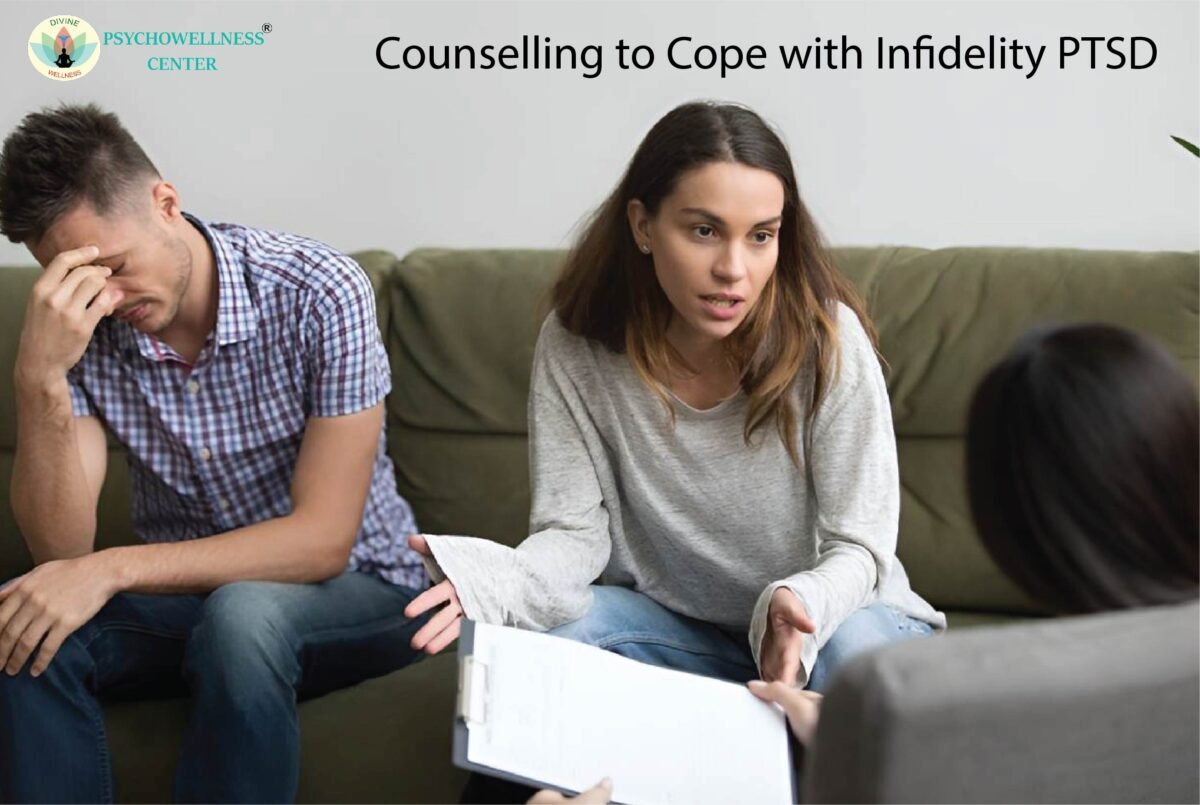
Infidelity is not just a relationship issue; for many individuals, it is a deeply traumatic experience. Discovering a partner’s betrayal can shatter emotional safety, disrupt one’s sense of self, and fundamentally alter the experience of trust and intimacy. While some people can process the pain over time, others develop symptoms that closely resemble post-traumatic stress disorder, often referred to as infidelity-related PTSD.
Infidelity PTSD is not a formal diagnosis, but mental health professionals widely recognise it as a trauma response. Counselling plays a crucial role in helping individuals understand, process, and heal from the psychological impact of betrayal.
Understanding Infidelity as Psychological Trauma
When betrayal occurs within an intimate relationship, the nervous system often interprets it as a threat to emotional survival. The partner who was once a source of safety becomes associated with fear, uncertainty, and pain. This can lead to trauma responses similar to those seen after other relational traumas.
Common symptoms include intrusive thoughts about betrayal, hypervigilance, emotional numbness, sleep disturbances, mood swings, and intense emotional triggers. Many individuals also experience a loss of self-worth, chronic anxiety, and difficulty trusting others.
Mental health professionals, including experienced best psychologists in Delhi, recognise that these reactions are not overreactions; they are protective responses to emotional injury.
Why Infidelity PTSD Is Often Minimised
One of the most damaging aspects of infidelity trauma is how frequently it is dismissed. Individuals are often told to “move on,” “forgive,” or “focus on the future,” without adequate space to process the emotional rupture.
This invalidation can intensify trauma symptoms, making individuals feel ashamed of their pain. Psychological counselling near me provides a non-judgmental space where emotions such as anger, grief, confusion, and fear are acknowledged as valid and necessary parts of healing.
Accessing psychological counselling in Delhi allows individuals to work through these emotions safely rather than suppressing them.
The Role of Counselling in Trauma Recovery
Counselling for infidelity PTSD focuses on restoring emotional regulation, rebuilding a sense of safety, and helping individuals regain agency over their thoughts and feelings. Therapy does not rush forgiveness or decision-making about the relationship. Instead, it prioritises stabilisation and understanding.
A trained therapist near me helps individuals identify trauma triggers, manage intrusive thoughts, and reduce emotional overwhelm. Techniques may include trauma-informed cognitive approaches, emotional regulation strategies, and grounding exercises.
At Psychowellness Center, therapy is tailored to the individual’s pace, ensuring that healing does not become another source of pressure.
Rebuilding Trust With Yourself
Infidelity often damages not only trust in a partner but also trust in one’s own judgment.
Many individuals question how they “missed the signs” or blame themselves for the betrayal.
Counselling helps individuals separate responsibility from self-blame. Through therapeutic exploration, clients learn to recognise that another person’s choice to betray is not a reflection of their worth or inadequacy.
Working with the best psychologists in Delhi NCR supports the gradual rebuilding of self-trust, which is essential for emotional recovery.
When Couples Choose to Heal Together
Some couples decide to work through infidelity together. This process requires structure, emotional safety, and professional guidance. Without support, attempts to “talk it out” often lead to repeated conflict and retraumatisation.
Structured Couple Counselling near me provides a framework where accountability, emotional expression, and boundary-setting can occur safely. Therapy helps both partners understand the impact of betrayal and the conditions required for any form of relational repair.
Psychowellness Center offers relationship-focused interventions that prioritise emotional safety for both individuals.
Managing Triggers and Emotional Flashbacks
Trauma responses after infidelity are often triggered by reminders such as phone notifications, changes in routine, or specific words and situations. These triggers can cause sudden emotional flooding, even long after the event.
Counselling helps individuals recognise triggers and develop coping strategies to manage emotional responses without becoming overwhelmed. Over time, this reduces the intensity and frequency of trauma reactions.
Seeking support through Relationship Counselling near me can also help partners understand these triggers and respond with empathy rather than defensiveness by using CBT, Couple counseling, and Relationship counseling.
Decision-Making Without Pressure
One of the most important aspects of counselling is creating space for decision-making without urgency. Whether an individual chooses to stay, leave, or take time apart, therapy supports clarity rather than impulsive choices driven by fear or pain.
Mental health professionals working with couple counselors in Dwarka settings emphasise that healing does not require immediate answers. Emotional processing must come before long-term decisions.
Individual Healing Beyond the Relationship
Even when relationships end, infidelity trauma can carry into future connections. Fear of abandonment, difficulty trusting, and emotional guardedness are common long-term effects if trauma is left unaddressed.
Working with a qualified top psychologists helps individuals process unresolved trauma so that it does not define future relationships. Therapy supports emotional integration, allowing individuals to form healthier attachments moving forward.
Why Professional Support Matters
Infidelity trauma is complex and layered. Attempting to heal solely through willpower or advice from others often leads to emotional suppression rather than resolution. Professional counselling offers structured, evidence-based support that respects the depth of the injury.
Many individuals seeking help from the best psychologists in Delhi look for a therapeutic space that combines clinical expertise with emotional sensitivity. Psychowellness Center provides trauma-informed therapy designed to address betrayal-related distress with compassion and professionalism.
Psychowellness Center offers specialised, trauma-informed counselling for individuals and couples coping with the psychological impact of infidelity, including symptoms similar to PTSD such as intrusive thoughts, emotional triggers, isolation, hypervigilance, and loss of trust. Therapy focuses on emotional stabilisation, trauma processing, rebuilding self-trust, and restoring a sense of safety, without rushing forgiveness or relationship decisions. With centres in Janakpuri and Dwarka Sector 17, Delhi, Psychowellness Center provides accessible in-person care, along with confidential online counselling through its association with TalktoAngel, ensuring flexible and continuous psychological support. Appointments can be scheduled by calling 011-47039812 / 7827208707, offering a structured and compassionate pathway toward healing after betrayal.
Conclusion
Infidelity can deeply disrupt emotional safety and leave lasting psychological wounds. When betrayal leads to trauma symptoms, counselling becomes an essential part of recovery rather than a last resort. Therapy offers a space to process pain, rebuild self-trust, and regain emotional stability at a sustainable pace. With the right psychological support, individuals can heal from infidelity, PTSD and move forward with greater resilience, clarity, and emotional strength.
Contribution: Dr. R.K. Suri, Clinical Psychologist, and Ms. Charavi Shah, Counselling Psychologist
References
Birnbaum, G. E., Reis, H. T., Mikulincer, M., Gillath, O., & Orpaz, A. (2006). When sex is more than just sex: Attachment orientations, sexual experience, and relationship quality. Journal of Personality and Social Psychology, 91(5), 929–943. https://doi.org/10.1037/0022-3514.91.5.929
Brown, B. J. (2014). Treating sexual betrayal trauma: A treatment model for clinicians. Routledge.
Platt, M., Nalbone, D. P., Casanova, G. M., & Wetchler, J. L. (2008). Parental conflict and infidelity as predictors of adult children’s attachment style and infidelity. The American Journal of Family Therapy, 36(2), 149–161. https://doi.org/10.1080/01926180701236203
Shackelford, T. K., LeBlanc, G. J., & Drass, E. (2000). Emotional reactions to infidelity. Cognition and Emotion, 14(5), 643–659. https://doi.org/10.1080/02699930050117657
https://www.psychowellnesscenter.com/Blog/emotional-fallout-of-discovering-partners-infidelity/
https://www.psychowellnesscenter.com/Blog/best-relationship-counselor-in-southwest-delhi/
https://www.psychowellnesscenter.com/Blog/benefits-of-in-clinic-relationship-counselling-sessions/
https://www.psychowellnesscenter.com/Blog/navigating-the-complexities-of-infidelity-counseling/
https://www.talktoangel.com/blog/rebuilding-confidence-after-being-cheated-on
https://www.psychowellnesscenter.com/Blog/top-and-leading-couple-counsellors-in-dwarka-delhi/