
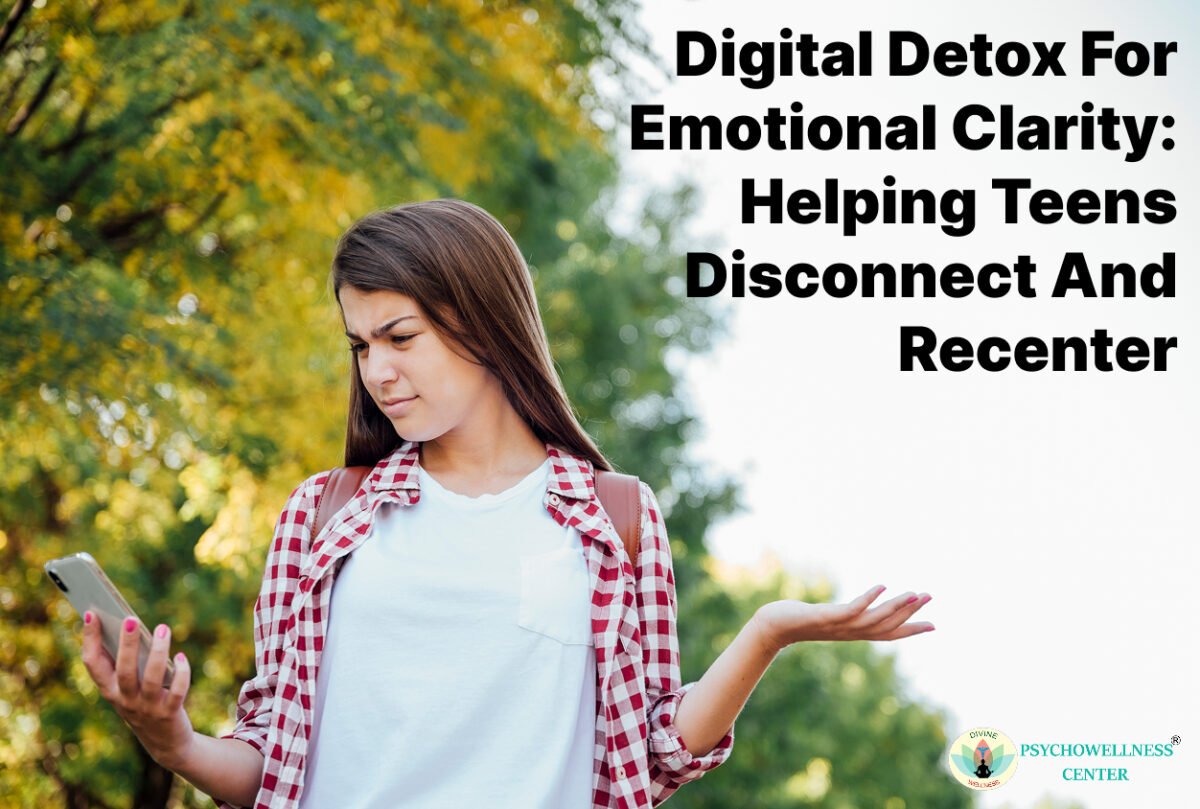
In today’s hyperconnected world, it’s almost impossible to imagine a day without screens. From scrolling through Instagram and Snapchat to gaming and streaming, technology has become an inseparable part of teen life. While the digital world offers endless opportunities for learning, creativity, and connection, it also comes with a hidden cost, emotional overload. Constant exposure to screens, social comparison, and online noise can blur the boundaries between reality and virtual life, leaving many teenagers feeling anxious, distracted, and emotionally drained.
A digital detox, a conscious break from digital devices, can help teens regain emotional clarity, focus, and a sense of inner calm. But what exactly does this mean, and how can it be effectively practiced in a world that revolves around technology? Let’s explore how disconnecting can help adolescents reconnect, with themselves, their feelings, and their world.
The Digital Dilemma: Why Teens Feel Overwhelmed
Adolescence is a time of rapid brain development, identity exploration, and emotional intensity. Add to that the constant flood of online information and social comparison, and the result is often emotional chaos.
Research shows that excessive screen time is linked to higher levels of stress, anxiety, depression, and sleep problems among teenagers. The pressure to maintain a perfect online persona, the fear of missing out (FOMO), and exposure to cyberbullying or negative news cycles can intensify emotional distress.
Some common emotional effects of digital overload include:
- Anxiety and restlessness: Constant notifications keep the brain in a state of alert, preventing emotional relaxation.
- Low self-esteem: Comparing oneself to filtered images and highlight reels can create distorted self-perceptions.
- Mood swings: The dopamine rush from likes and comments can lead to addictive patterns, followed by emotional lows.
- Disconnection from reality: Excessive screen time reduces engagement in real-life relationships and experiences.
- Sleep issues: Blue light exposure and late-night scrolling interfere with melatonin production, disrupting emotional regulation.
When digital engagement becomes compulsive, teens may lose touch with their inner world, their thoughts, emotions, and needs. A digital detox helps to reverse this imbalance.
Understanding Digital Detox: It’s About Balance, Not Banishing
A digital detox doesn’t mean giving up technology completely. Instead, it’s about creating a mindful relationship with digital media. It encourages intentional use rather than reactive consumption.
For teenagers, a detox can mean setting boundaries such as:
- Taking short breaks from social media platforms.
- Turning off unnecessary notifications.
- Limiting screen time before bed.
- Designating “no-phone zones” like mealtimes or study hours.
- Engaging in offline hobbies that bring joy and relaxation.
The goal is not punishment but reconnection, with oneself, others, and the present moment.
Emotional Clarity: What Happens When Teens Disconnect
Emotional clarity refers to the ability to identify, understand, and express emotions accurately. When constantly plugged in, this clarity can fade. Notifications, videos, and online drama bombard the senses, leaving little room for self-reflection.
A digital detox creates mental space, a quiet pause in which teens can tune into their feelings and thoughts. Here’s how disconnecting supports emotional well-being:
1. Improved Self-Awareness:
When not distracted by screens, teens can better recognize their emotional states, whether they’re feeling anxious, lonely, or excited.
2. Reduced Anxiety and Stress:
Stepping away from online comparison and information overload allows the nervous system to relax. It helps regulate cortisol levels and restore calm.
3. Better Sleep and Focus:
Reduced screen exposure, especially before bedtime, improves sleep quality and concentration. Rested minds are better equipped to handle emotions and challenges.
4. Enhanced Relationships:
Digital detox encourages face-to-face interactions. Teens who reconnect offline often report feeling more authentic, supported, and emotionally grounded in their relationships.
5. Rediscovery of Joy and Purpose:
Without the constant digital noise, teens rediscover the joy of simple activities, drawing, reading, playing an instrument, or spending time in nature, all of which nourish emotional health.
Practical Strategies for Teens to Begin a Digital Detox
Transitioning from constant connectivity to mindful use can be challenging. Here are some realistic, teen-friendly steps to start small and stay consistent:
1. Audit Screen Time
Begin by tracking daily screen usage. Apps like “Digital Wellbeing” or “Screen Time” can help visualize where time is going, social media, gaming, or streaming. Awareness is the first step toward change.
2. Set Clear Intentions
Instead of vague goals like “use my phone less,” set specific ones such as “no phone during meals” or “one hour of screen-free time before bed.”
3. Create Tech-Free Rituals
Encourage activities that don’t involve screens, morning walks, journaling, cooking, or family board games. These moments help the brain unwind and cultivate mindfulness.
4. Redesign Digital Space
Unfollow accounts that trigger comparison or negativity. Instead, follow educational or motivational pages that uplift and inspire.
5. Involve Family and Friends
Detoxing together can make it more enjoyable. Create “digital-free Sundays” or outdoor hangouts where everyone commits to staying offline.
6. Replace, Don’t Remove
When reducing screen time, replace it with fulfilling alternatives: art, music, volunteering, or sports. The brain needs positive engagement to maintain motivation.
7. Practice Mindful Scrolling
If using social media, pause before posting or reacting. Ask, “How do I feel right now?” Impulsive or emotionally motivated internet behavior can be avoided with this easy check-in.
Role of Parents, Teachers, and Counsellors
Adults play a key role in supporting teens through digital detox. Rather than imposing strict bans, the focus should be on empathy, dialogue, and collaboration.
- Parents can model balanced screen habits by keeping phones aside during family time. Encouraging open conversations about online stress helps teens feel understood.
- Teachers can integrate digital literacy lessons, helping students understand how algorithms and online comparisons affect mental health.
- Counsellors and therapists can help teens explore the emotional triggers behind compulsive online behavior and teach coping strategies such as mindfulness, deep breathing, or journaling.
Collaborative efforts ensure that teens don’t view detox as punishment but as self-care and empowerment.
Mindfulness: The Heart of Digital Detox
Mindfulness, the practice of being present, strengthens the benefits of digital detox. Simple exercises like mindfulness, deep breathing, mindful walking, or journaling can help teens anchor themselves when they feel overwhelmed by digital noise.
For example:
- Mindful breathing: Focus on slow, deep breaths when feeling restless after scrolling.
- Mindful observation: Spend a few minutes observing nature without photographing or posting it.
- Mindful journaling: Reflect daily on emotions, what triggered them and how they were handled.
These practices enhance self-regulation, reduce impulsivity, and bring a deeper understanding of one’s inner world.
Reconnecting with the Real World
Ultimately, a digital detox is about restoring balance, between connection and solitude, stimulation and stillness, external validation and internal peace. When teens learn to unplug regularly, they cultivate a stronger sense of identity, resilience, and emotional intelligence.
Encouraging moments of quiet reflection helps them realize that peace doesn’t come from the next notification or like, it comes from within.
Conclusion
The digital age has reshaped how teens communicate, learn, and express themselves. While technology can empower, it can also overwhelm when boundaries blur. Through mindful digital detox, teenagers can rediscover the joy of being present, reconnect with their authentic emotions, and nurture genuine relationships.
Emotional clarity is not about escaping the digital world but about navigating it consciously , knowing when to connect and when to log off. By guiding teens to disconnect and recenter, we help them build not just healthier screen habits, but also stronger minds and hearts ready to thrive both online and offline.
A digital detox can be a powerful step toward restoring emotional clarity and psychological balance in teenagers navigating today’s overstimulated world. By consciously stepping back from screens, teens create space to understand their emotions, strengthen self-awareness, improve focus, and rebuild meaningful real-life connections. Digital detox is not about rejecting technology but about using it with intention and balance. When supported by mindful practices, open family communication, and professional guidance, adolescents learn to recenter themselves and develop healthier coping skills. Psychowellness Center, with its experienced clinical psychologists and adolescent mental health professionals, offers structured therapies such as Cognitive Behaviour Therapy (CBT), mindfulness-based therapy, emotional regulation training, and family counselling to support teens struggling with digital overload. Parents and teens can reach Psychowellness Center, Dwarka Sector-17 and Janakpuri at 011-47039812 / 7827208707 for expert support. Additionally, online counselling platforms like TalktoAngel provide accessible mental health support, ensuring timely guidance and emotional care. With the right support system, teens can build emotional resilience, clarity, and confidence, learning to thrive both online and offline.
Contribution: Dr. R.K. Suri, Clinical Psychologist, and Ms. Drishti Rajore, Counselling Psychologist
References
- Explores how patterns of compulsive or addictive screen use may pose greater risk to adolescent mental health than mere volume of use.JAMA Network
- Discusses cognitive and emotional benefits of digital detox: improved attention, reduced stress, greater self-reflection, and better social connectedness.Frontiers
- Study demonstrating that digital detox can significantly reduce anxiety and depression levels in young adult populations.PMC
- Experimental study with a two-week detox intervention showing improvements in social media addiction, sleep, stress, life satisfaction, and perceived wellness.PMC
- This study reviews evidence linking social media use to lower well-being, increased prevalence of depression especially among girls.BioMed Central
- https://www.psychowellnesscenter.com/Blog/digital-detox-for-kids-practical-steps-for-reducing-screen-addiction/
- https://www.psychowellnesscenter.com/Blog/the-need-for-a-digital-reset-for-adolescents/
- https://www.psychowellnesscenter.com/Blog/resolving-internet-addiction-in-teenagers/
- https://www.psychowellnesscenter.com/Blog/scroll-less-and-live-more-tips-for-social-media-detox/
- https://www.talktoangel.com/blog/digital-detox-to-restore-emotional-intimacy
- https://www.psychowellnesscenter.com/Blog/role-of-social-media-in-fueling-phone-addiction-in-kids/
- https://www.psychowellnesscenter.com/Blog/ways-to-manage-tech-addiction/
- https://www.talktoangel.com/blog/digital-detox-to-restore-emotional-intimacy
- https://www.psychowellnesscenter.com/Blog/phone-addiction-in-children-a-growing-crisis-in-the-digital-age/