
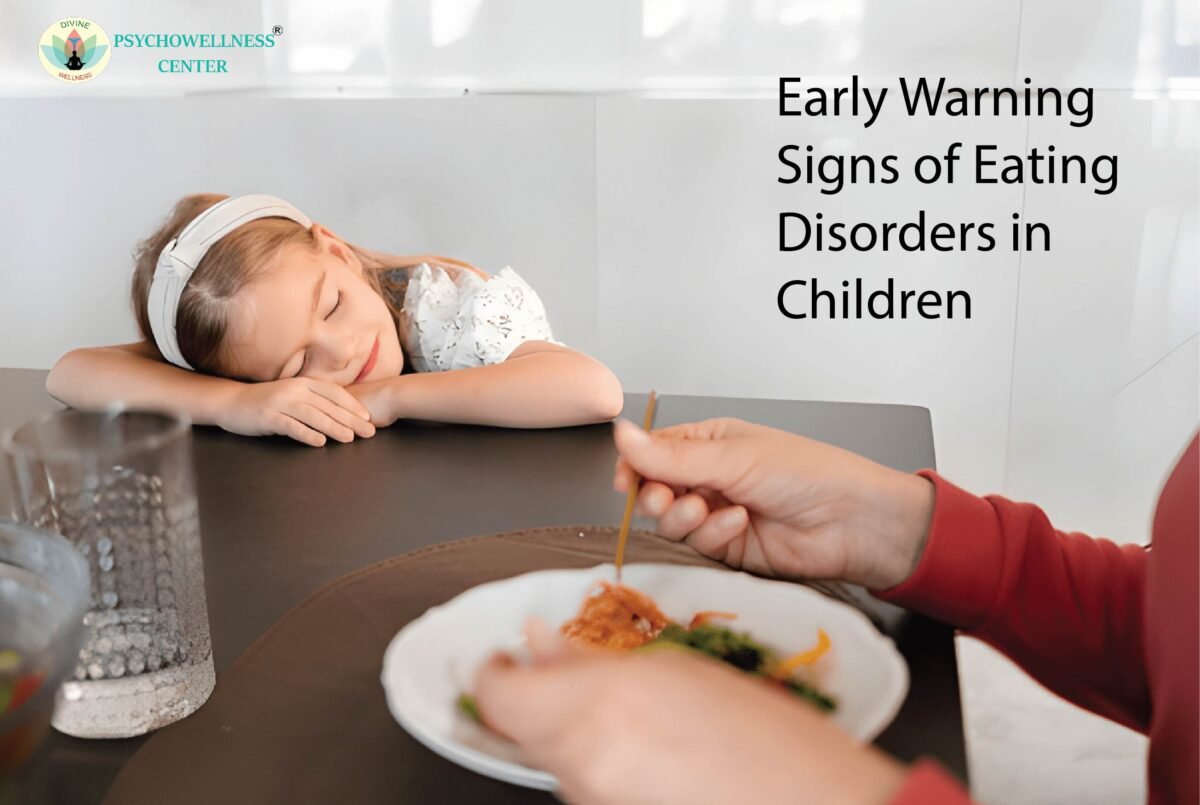
Eating-related struggles in young people rarely appear overnight. They tend to develop quietly, shaped by emotional, physical, and social factors that unfold over time. For parents and caregivers, understanding early warning signs can make a meaningful difference. When concerns are recognized early, children are more likely to receive help before patterns become deeply rooted. This article explores how eating difficulties may emerge in childhood, what signals to watch for, and how families can respond with care and confidence.
Understanding eating disorders in childhood
An eating disorder in children is not simply about food preferences or phases of picky eating. It reflects a complex interaction between emotional regulation, self-perception, environment, and biology. In a child and adolescent population, these conditions can interfere with growth, learning, relationships, and long-term well-being. Because children may not have the language to explain what they are feeling, changes in behaviour often become the first clues that something is wrong.
Emotional and psychological warning signs
One of the earliest indicators can be emotional overload. Children may appear overwhelmed by stress, even in situations that previously felt manageable. This can show up as irritability, tearfulness, or sudden withdrawal from activities they once enjoyed.
Persistent worry or fear, linked with anxiety, may accompany changes in eating habits. A child might become excessively concerned about routines, school performance, or pleasing others. In some cases, earlier trauma– such as loss, bullying, or a medical event can quietly influence how a child relates to food and control.
Low mood and emotional numbness can point toward depression, especially when paired with changes in appetite or loss of interest in social connections. Emotional outbursts or bottled-up frustration, sometimes expressed as anger, may mask deeper distress that the child cannot yet name.In rare situations, compulsive patterns around food can resemble addiction, where eating behaviours feel driven and difficult for the child to stop, even when consequences are negative.
Behavioural changes around food and routine
Children at risk may begin skipping meals, hiding food, or showing rigid rules around eating. They might insist on eating alone or avoid family meals altogether. These behaviours can sometimes develop alongside ocd, where repetitive thoughts and rituals create a sense of temporary relief.
Sudden fear-based reactions, such as a racing heart or dizziness around meals, may resemble panic disorder, especially if the child associates eating with loss of control or physical discomfort. Over time, these patterns can disrupt daily structure and reduce flexibility in routines.
A noticeable decline in energy, enthusiasm, or engagement, often described as low motivation, can also appear. This may affect schoolwork, hobbies, or friendships, and is sometimes mistakenly attributed to laziness rather than emotional strain.
Physical and developmental red flags
Eating difficulties can affect the body in subtle ways before weight changes are obvious. Complaints of stomachaches, headaches, or unexplained aches may overlap with chronic pain, particularly when medical tests show no clear cause. Some children with underlying autoimmune problems are at higher risk due to complex relationships between inflammation, appetite, and mood.
In younger children, disrupted nutrition can contribute to developmental delay, affecting concentration, coordination, or emotional maturity. Over time, restricted or chaotic eating can compromise physical health, weakening immunity and resilience.
Sleep disruption is another key signal. Difficulty falling asleep, frequent waking, or daytime exhaustion can be tied to sleep disturbances that worsen emotional regulation. In more severe cases, changes in blood pressure, including early hypertension, may emerge as the body struggles to adapt.
Social and relational indicators
Social withdrawal is common. A child may avoid birthday parties, school lunches, or outings involving food. This isolation is sometimes linked to social anxiety, where fear of judgment or embarrassment becomes overwhelming.
Preoccupation with appearance, even at a young age, can signal unhealthy body image development. Children may make negative comments about themselves or compare their bodies to those of others, including images seen online.
Over-responsibility or emotional exhaustion can point toward burnout, especially in children who feel pressure to meet high expectations. In some families, enmeshment or overreliance on certain routines can create emotional dependence, making change feel threatening rather than supportive.
Family dynamics also matter. Ongoing conflict, inconsistency, or unresolved family problems can increase vulnerability, especially when food becomes a way to regain a sense of control or predictability.
The role of parenting and environment
Supportive parenting does not mean being perfect; it means being observant, curious, and compassionate. Children benefit when adults focus on listening rather than correcting. Comments about weight, appearance, or “good” versus “bad” foods can unintentionally reinforce shame.
Modelling balanced coping strategies is powerful. Teaching emotional awareness, problem-solving, and self-care helps children build resilience. Simple practices like shared meals, predictable routines, and open conversations create safety that allows concerns to surface earlier.
Introducing age-appropriate mindfulness can help children notice hunger, fullness, and emotions without judgment. This builds internal awareness and reduces the urge to control feelings through eating behaviours.
When and how to seek professional help
If warning signs persist or intensify, professional support is essential. Early counselling provides a safe space for children to explore feelings they cannot yet articulate. A trained therapist can assess emotional, behavioral, and developmental factors while working collaboratively with the family.
Different forms of therapy may be recommended, depending on the child’s age and needs. Family-based approaches often empower caregivers to support recovery at home, while individual sessions help children build coping skills and emotional literacy.
Conclusion
Early signs of eating disorders in children should be treated as early alerts, not labels. Shifts in eating patterns, emotional sensitivity, or concerns about body image often reflect underlying stress or emotional struggles. Timely support through child counselling near me can help families recognise these concerns early and respond in a healthy, supportive way.
Connecting with the best child psychologist near me or a trained child counsellor allows children to explore their emotions in a safe environment. Through structured child counselling, children learn to manage difficult feelings, rebuild confidence, and develop a balanced relationship with food and self-image.
For families seeking compassionate and professional care, Psychowellness Center offers reliable mental health services for children and adolescents. With experienced therapists and adaptable session options, the centre provides confidential psychological support tailored to children facing eating-related concerns. Psychowellness Center can be reached at 011-47039812 / 7827208707 to support proactive emotional well-being.
Additionally, online counselling via TalktoAngel makes expert child mental health support accessible from home, ensuring consistent care and guidance.
Learn More-
- https://youtu.be/6Iy9kBWJN7I?si=AqlnwH8wiqS2foFn
- https://youtu.be/MzAvIWkXQCM?si=CIuDKjUi4HGlFb0A
- https://youtube.com/shorts/hQ12DH6HtcE?si=xiRg0ZzmYHXax_8t
References
- American Academy of Child and Adolescent Psychiatry. (2022). Eating disorders. https://www.aacap.org/AACAP/Families_and_Youth/Resource_Centers/Eating_Disorder_Resource_Center/Home.aspx
- American Psychiatric Association. (2022). Diagnostic and statistical manual of mental disorders (5th ed., text rev.; DSM-5-TR). https://www.psychiatry.org/psychiatrists/practice/dsm
- Centers for Disease Control and Prevention. (2023). Eating disorders among children and teens. https://www.cdc.gov/mentalhealth/children/index.htm
- National Eating Disorders Association. (2023). Warning signs and symptoms. https://www.nationaleatingdisorders.org/warning-signs-and-symptoms/
- https://www.psychowellnesscenter.com/Blog/how-emotional-struggles-shape-kids-eating-habits/
- https://www.psychowellnesscenter.com/Blog/eating-disorders-how-nutritionists-and-therapists-can-help/
- https://www.talktoangel.com/blog/online-counseling-for-dietary-issues-among-kids
- https://www.talktoangel.com/self-assessment/eating-behavior-scale
- https://www.talktoangel.com/self-assessment/eating-disorder–assessment