
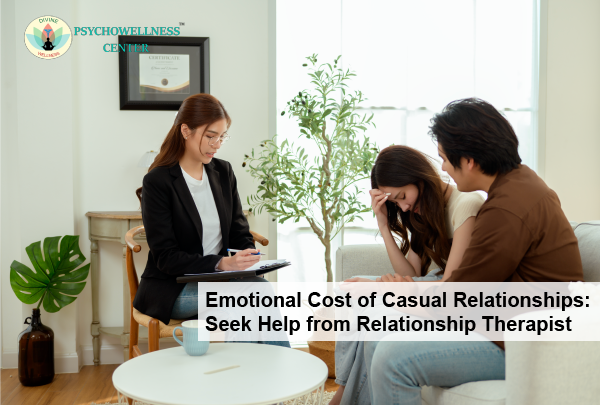
In today’s fast-paced dating culture, casual relationships, often labeled as “no strings attached” or “situationships,” have become increasingly common. While they may offer temporary companionship and excitement, the emotional consequences are often underestimated. Beneath the surface of convenience lies a complex psychological impact that can affect mental well-being, self-worth, and long-term emotional stability.
Understanding Casual Relationships
Casual relationships are typically defined by a lack of commitment, emotional depth, or long-term expectations. They may include physical intimacy, companionship, or intermittent communication without clear boundaries or defined roles. While some individuals enter these arrangements willingly, others may find themselves emotionally invested over time.
Research suggests that although people may initially perceive such interactions as positive, they are often linked with short-term declines in emotional well-being, especially when expectations are unclear or unmet. This gap between expectation and reality is where emotional distress begins to emerge.
The Hidden Emotional Toll
One of the most common psychological effects of casual relationships is anxiety. The uncertainty of “where things are going,” inconsistent communication, and lack of reassurance can create persistent worry and emotional instability. Unlike committed connections, these relationships often lack clarity, leaving individuals overthinking interactions and seeking validation.
Closely linked to this is loneliness. Despite physical closeness or regular interaction, many individuals report feeling emotionally disconnected. This paradox, being with someone yet feeling alone, can deepen dissatisfaction and confusion about one’s emotional needs.
Modern dating dynamics have also increased dating concerns, such as fear of rejection, ghosting, and unclear intentions. These concerns can make individuals hyper-aware of their behavior, leading to emotional exhaustion and reduced authenticity in interactions.
Emotional Attachment and Imbalance
Even when labeled as “casual,” emotional attachment is often inevitable. Human beings are wired for connection, and repeated interactions can foster feelings of closeness. However, when one person becomes more invested than the other, it creates an imbalance.
This imbalance can make emotional control challenging. Individuals may suppress their feelings to maintain the connection or avoid conflict, leading to internal distress. Over time, this emotional suppression can result in frustration, resentment, or even emotional burnout.
News and psychological insights on situationships highlight how ambiguity and inconsistent emotional rewards can keep individuals hooked, despite emotional discomfort. This cycle makes it difficult to walk away, even when the relationship is no longer fulfilling.
The Impact of Breakups in Casual Dynamics
A common misconception is that casual relationships are easier to end. In reality, a breakup from such a connection can be equally, if not more, painful. The lack of closure, undefined expectations, and unspoken emotions often leave individuals struggling to process their feelings.
Without clear communication, individuals may question their worth or replay situations in their mind, searching for answers. This can prolong emotional distress and make it harder to move forward.
Long-Term Effects on Relationship Patterns
Repeated involvement in casual relationships can influence how individuals approach future connections. It may lead to fear of commitment, difficulty trusting others, or avoidance of emotional vulnerability. Over time, this can impact the ability to form a stable and fulfilling relationship.
Some individuals may also experience reduced self-esteem, especially if they feel consistently undervalued or replaceable. This highlights the importance of reflection and self-improvement to understand personal needs, boundaries, and emotional patterns.
When to Seek Professional Help
If casual relationships begin to cause distress, confusion, or repeated emotional pain, it may be time to seek support through relationship counselling. Therapy provides a safe space to explore emotions, identify patterns, and develop healthier ways of relating to others.
Approaches like Acceptance and Behavioral Therapy can help individuals accept difficult emotions while building skills to respond more effectively. This approach encourages mindfulness, emotional awareness, and value-based decision-making, helping individuals align their actions with their long-term well-being.
Finding the Right Support
Seeking help from experienced professionals, such as the Best Psychologists in Delhi, can provide valuable guidance in navigating complex emotional experiences. Whether you are dealing with confusion, attachment issues, or repeated emotional setbacks, professional support can offer clarity and direction.
If you are searching for accessible options, exploring Relationship Counseling near me or connecting with a therapist near me can be a helpful first step. With the availability of online platforms, individuals can now access therapy from the comfort of their homes, making mental health support more convenient and stigma-free.
Building Healthier Emotional Connections
To reduce the emotional cost of casual relationships, individuals can take proactive steps such as:
- Setting clear expectations and boundaries
- Communicating openly about intentions
- Reflecting on personal emotional needs
- Avoiding emotional suppression
Developing awareness and emotional clarity can help individuals make more informed choices, leading to healthier and more fulfilling connections.
Conclusion
Casual relationships may appear simple on the surface, but their emotional impact can be complex and long-lasting. While they can offer temporary satisfaction, they often come with hidden costs such as anxiety, isolation, and emotional confusion.
Acknowledging these trends and getting help when needed can have a big impact. With the help of a relationship therapist, individuals can gain insight into their emotional needs, build resilience, and create more meaningful connections. Ultimately, prioritizing emotional well-being over temporary convenience is the key to long-term happiness.
To learn more about managing the emotional cost of casual relationships and developing healthier patterns in personal connections, you can explore professional support at the Psychowellness Center. Services are available in-person at Dwarka and Janakpuri, New Delhi (Contact: 011-47039812 / 7827208707) and online through TalktoAngel, making it convenient to access support from qualified professionals. With the guidance of a trained mental health expert, individuals can better understand their emotional patterns, build stronger boundaries, and move toward more meaningful and fulfilling relationships in a safe and supportive environment.
Understanding the Hexagon of Emotions in Relationship can help individuals recognise how different feelings like love, fear, anger, and trust interact and influence their experiences. This awareness becomes especially important when navigating modern Dating Concerns, where uncertainty and mixed signals are common. Without clarity, these situations can often lead to heightened Anxiety, making it essential to reflect on emotional patterns and respond mindfully.
Contributions: Dr. R.K. Suri, Clinical Psychologist, and Ms. Mahima Mathur, Counselling Psychologist
REFERENCES
Lambros, A., & Hussey, M. (2026). Situationship dynamics and emotional impact. New York Post.
Mohindroo, D. (2026). Are situationships hurting your mental health? Times of India.
Wesche, R., Claxton, S. E., & Waterman, E. A. (2021). Emotional outcomes of casual sexual relationships and experiences: A systematic review. The Journal of Sex Research, 58(8), 1069–1084. https://doi.org/10.1080/00224499.2020.1821163
https://www.psychowellnesscenter.com/Blog/emotional-consequences-of-inconsistent-dating/
https://www.psychowellnesscenter.com/Blog/modern-friendship-and-the-increase-in-loneliness/