
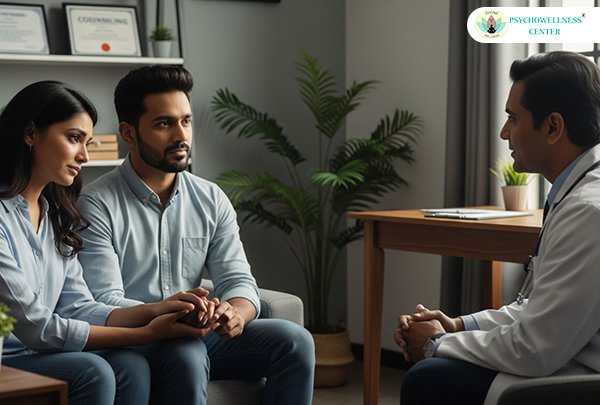
Emotional vulnerability is often described as the courage to show up authentically in a relationship. It involves expressing fears, insecurities, needs, and desires without the armour of defensiveness. From the perspective of a counselling doctor near me, vulnerability is not a weakness; it is the foundation of intimacy, trust, and emotional safety. Yet many individuals struggle with being open due to past trauma, fear of rejection, or unresolved emotional abuse.
In today’s fast-paced world, people crave connection but often hesitate to reveal their true feelings. This hesitation can lead to misunderstandings, resentment, and distance. Emotional vulnerability is especially significant in a relationship, where openness fosters deeper understanding and connection.
Why Emotional Vulnerability Matters
When partners are emotionally vulnerable, they communicate honestly about their needs and expectations. This clarity reduces assumptions and strengthens emotional bonds. Vulnerability allows couples to navigate conflicts constructively rather than defensively.
In many cases, individuals who have experienced loneliness in the past find it difficult to trust again. They may build walls to protect themselves, unintentionally creating more isolation in the process. A counselling professional often observes that healing begins when individuals feel safe enough to express their inner world without fear of judgment.
In a long-term marriage, vulnerability is essential for maintaining closeness. Over time, daily stress, responsibilities, and routine can reduce emotional intimacy. Couples may function as co-managers of a household rather than emotional partners. Opening up about fears, aspirations, and disappointments rekindles emotional connection.
Barriers to Emotional Openness
Several obstacles prevent individuals from embracing vulnerability:
- Fear of Rejection: Many people worry that expressing their true feelings will push their partner away.
- Past Trauma: Experiences such as cheating & infidelity often leave deep emotional scars, making trust difficult.
- Family Conditioning: Growing up in environments where emotions were dismissed or criticised can make vulnerability feel unsafe.
- Unresolved Family Problems: Ongoing family problems carried from childhood may influence adult interactions and emotional expression.
A counselling doctor near me often emphasises that vulnerability is a learned skill. It requires patience, self-awareness, and consistent effort.
Recognizing Unhealthy Patterns
When vulnerability is absent, couples may fall into patterns of defensiveness, criticism, or withdrawal. These dynamics often create a toxic relationship where communication becomes reactive instead of empathetic. For instance, if one partner avoids emotional expression while the other craves reassurance, frustration builds. Over time, emotional distance increases, and both individuals feel misunderstood. In some situations, unresolved resentment may even contribute to cheating & infidelity, as one partner seeks emotional validation elsewhere. Counselling provides a structured and safe environment to identify triggers, communication gaps, and unmet needs.
The Role of Healthy Boundaries
While vulnerability encourages openness, it must coexist with a healthy boundary. Boundaries protect individual well-being and define acceptable behaviours within a partnership. They ensure that vulnerability does not become emotional overexposure or dependency.
For example, expressing discomfort about certain behaviours is not an act of rejection but a sign of self-respect. A counselling doctor near me often guides couples to communicate boundaries clearly without aggression. When partners respect each other’s limits, trust deepens. Healthy boundaries also prevent enmeshment, where individuals lose their sense of identity within the partnership. Emotional vulnerability thrives when both individuals feel secure and autonomous.
Healing Through Counselling
Professional counselling plays a transformative role in strengthening emotional intimacy. Techniques such as family systemic therapy help couples understand how family dynamics influence current relational patterns. By exploring generational beliefs and communication styles, partners gain insight into unconscious behaviours that shape their interactions.
For example, someone raised in a household where conflict was avoided may struggle to address issues directly. Another person from a highly critical environment may become defensive quickly. Therapy uncovers these patterns and encourages healthier alternatives.
Counselling sessions often focus on:
- Building emotional awareness
- Practising empathetic listening
- Developing assertive communication
- Repairing trust after betrayal
- Addressing family problems
By working through these areas, couples can rebuild emotional safety and reduce feelings of isolation.
Rebuilding Trust After Betrayal
Trust is fragile, particularly after experiences of cheating & infidelity. Emotional vulnerability becomes both more difficult and more necessary during recovery. The hurt partner may fear further betrayal, while the other may struggle with guilt and defensiveness. A counselling doctor near me emphasises gradual rebuilding of trust through transparency, accountability, and consistent reassurance. Healing requires time and honest communication. When both partners commit to growth, vulnerability can eventually restore emotional intimacy.
Strengthening Emotional Connection
Practical strategies to nurture vulnerability include:
- Setting aside dedicated time for meaningful conversations
- Sharing personal experiences without interruption
- Validating each other’s emotions
- Expressing appreciation regularly
- Seeking professional guidance when needed
These steps encourage partners to move beyond surface-level communication. Emotional closeness grows when both individuals feel heard and valued. It is also important to address feelings of isolation before they deepen into persistent loneliness. Even within a committed partnership, emotional disconnection can create distress. Open dialogue helps prevent such emotional distance.
When to Seek Professional Help
If conflicts feel repetitive, communication turns hostile, or emotional distance widens, seeking support from a counselling doctor near me can be highly beneficial. Counselling provides practical tools to navigate complex emotions, resolve misunderstandings, and rebuild trust within the relationship. Therapists help couples explore the root causes of distress, whether they stem from unresolved trauma, unmet expectations, or lingering family problems. Early intervention often prevents more serious relational damage and promotes healthier communication patterns.
Conclusion
Emotional vulnerability is the heart of meaningful connection. It requires courage, patience, and mutual respect. With proper guidance and commitment, couples can transform misunderstandings into opportunities for growth. Seeking support from the Psychowellness Center, known for the best Relationship counselling in Delhi, can help individuals and couples navigate relationship counselling with expertise and compassion. Consulting the best Relationship counsellor in Delhi NCR ensures professional support tailored to your needs. A skilled Relationship counsellor can guide you toward rebuilding trust, strengthening emotional intimacy, and fostering long-term harmony. For those unable to visit in person, online counselling at talktoangel also offers accessible and confidential support from experienced professionals.
To explore more, watch the insightful videos by Psychowellness Center that explain how relationship counselling strengthens emotional connection, rebuilds trust after conflicts, and supports couples and elderly individuals in navigating relationship challenges with geriatric counselling and elder care.
Contribution: Dr. R.K. Suri, Clinical Psychologist, and Ms. Mansi, Counselling Psychologist
References
- American Psychological Association. (2020). Publication manual of the American Psychological Association (7th ed.). American Psychological Association.
- Johnson, S. M. (2019). Attachment theory in practice: Emotionally focused therapy (EFT) with individuals, couples, and families. Guilford Press.
- Nichols, M. P., & Davis, S. D. (2020). Family therapy: Concepts and methods (12th ed.). Pearson.