
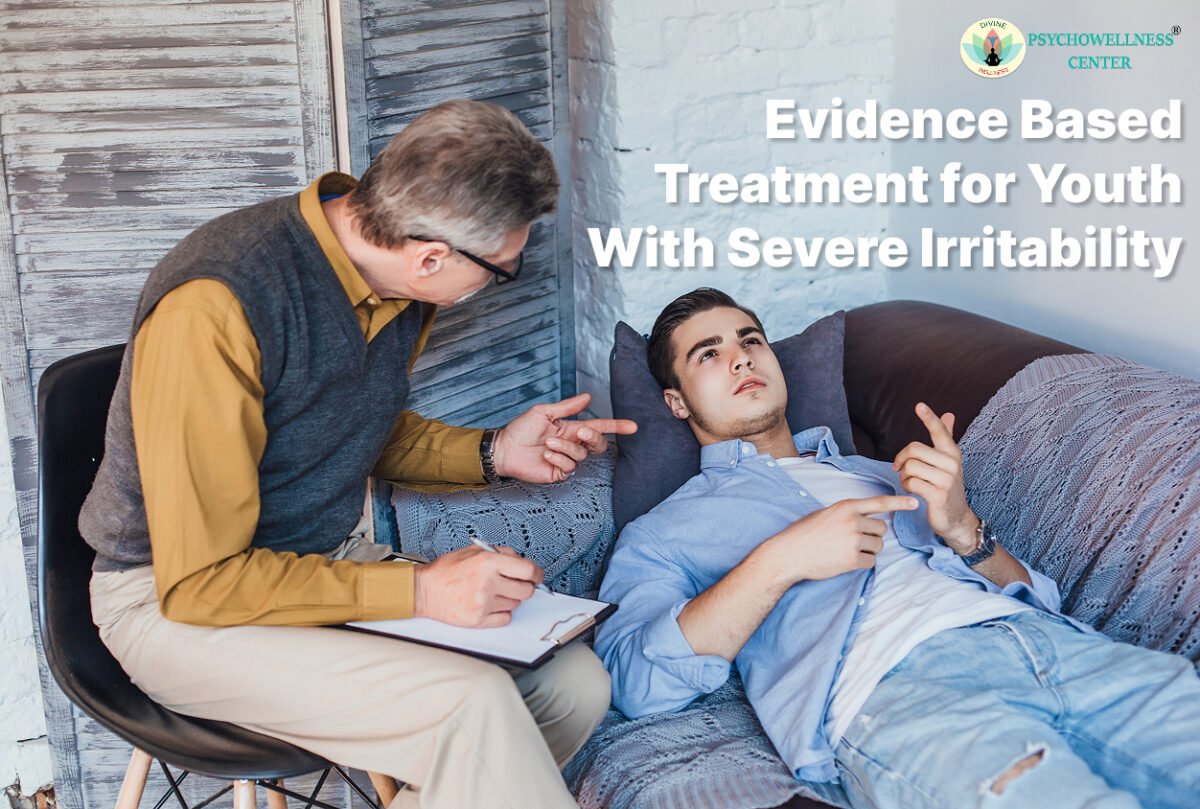
Severe irritability in children and adolescents is more than just “typical moodiness.” It is a persistent pattern of anger, frustration, and emotional reactivity that interferes with daily functioning at home, at school, and with peers. In clinical settings, severe irritability is often associated with conditions such as Disruptive Mood Dysregulation Disorder (DMDD), Attention-Deficit/Hyperactivity Disorder (ADHD), anxiety disorders, depression, and trauma-related difficulties. Because irritability can have multiple causes and complex presentations, evidence-based treatment is essential for helping young people build emotional regulation, reduce outbursts, and improve quality of life.
This blog explores research-supported approaches to assessing and treating severe irritability in youth, including cognitive-behavioral therapies, parent-training programs, mindfulness-based interventions, school-based supports, and, in some cases, medication.
Understanding Severe Irritability in Youth
Irritability is characterized by heightened sensitivity to frustration, quickness to anger, difficulty tolerating stress, and disproportionate emotional responses. For many children, irritability is transient. However, when symptoms become chronic and impair functioning across multiple settings, they may indicate an underlying mental health condition.
Common signs include:
- Frequent temper outbursts (verbal or behavioral)
- Persistent anger or grouchy mood
- Difficulty recovering from disappointment
- Low frustration tolerance
- Impulsivity during emotional episodes
- Conflict with peers, teachers, and family members
Neuroscience research shows that severe irritability is linked with heightened activity in the brain’s threat-response system (amygdala) and difficulties in emotion-regulation regions (prefrontal cortex). These findings support the use of structured, skills-based interventions.
Evidence-Based Treatments
1. Cognitive Behavioral Therapy (CBT)
CBT is one of the most extensively researched interventions for irritability and emotional dysregulation. It helps youth identify triggers, challenge negative thought patterns, and learn alternative behaviors.
Key CBT components for irritability include:
- Emotional awareness training: Teaching children to notice early warning signs of anger, such as physical sensations or cognitive distortions.
- Coping skills: Using deep breathing, grounding techniques, or problem-solving steps to reduce escalation.
- Cognitive restructuring: Helping youth recognize “all-or-nothing” thinking or misinterpretations that fuel irritability.
- Exposure techniques: Gradually introducing situations that typically trigger anger to teach tolerance and regulatory skills.
CBT is particularly effective for youth with co-occurring anxiety, depression, or trauma histories because it strengthens both cognitive flexibility and emotion regulation.
2. Parent Management Training (PMT)
Research consistently shows that family-based interventions are critical when treating irritability in children. PMT programs teach parents how to respond calmly and consistently to emotional outbursts, reinforcing positive behavior and reducing negative cycles.
Core PMT strategies include:
- Consistent routines: Predictability reduces frustration triggers.
- Positive reinforcement: Catching and rewarding calm behaviors.
- Clear expectations and consequences: Helping children understand what is expected and what happens if limits are crossed.
- De-escalation techniques: Coaching parents to respond in ways that reduce intensity rather than amplify conflict.
PMT has strong empirical support and is particularly effective for younger children or those with ADHD-related irritability.
3. Dialectical Behavior Therapy for Children (DBT-C)
A growing body of research supports DBT-C for chronic irritability and emotional dysregulation. DBT teaches skills across four areas:
- Mindfulness: Increasing awareness of emotional states
- Distress tolerance: Helping youth survive intense emotions without acting impulsively
- Emotional control: Building tools to reduce vulnerability to anger
- Interpersonal effectiveness: Teaching communication and conflict-resolution skills
DBT-C includes both child and parent sessions, making it a strong choice for youth with intense reactivity, self-harm behavior, or trauma-related irritability.
4. Mindfulness-Based Programs
Mindfulness interventions help youth understand and regulate emotions by improving attention, body awareness, and impulse control. Programs such as Mindfulness-Based Stress Reduction (MBSR) or Mindfulness-Based Cognitive Therapy (MBCT) have shown benefits in:
- Reducing emotional reactivity
- Improving concentration and frustration tolerance
- Supporting smoother transitions between tasks
These programs are particularly helpful for adolescents who benefit from experiential practices like breathing exercises, yoga, or guided meditation.
5. School-Based Interventions
Since irritability often impacts academic and social functioning, involving the school can be essential. Evidence-based school supports include:
- Individualized Education Programs (IEPs) or 504 plans for emotional regulation needs
- Positive Behavioral Interventions and Supports (PBIS)
- Social-emotional learning (SEL) programs
- Structured break times or calm-down spaces
Teachers and counselors can provide consistent reinforcement of the coping strategies learned in therapy, helping youth generalize skills across environments.
6. Medication (When Necessary)
Medication is not always required, but in moderate to severe cases, especially when irritability co-occurs with ADHD, anxiety, depression, or mood disorders, it may be part of an evidence-based treatment plan.
Common medication classes used include:
- Stimulants or non-stimulant ADHD medications (if irritability is linked with ADHD or executive functioning deficits)
- SSRIs, for irritability related to anxiety or depression
- Mood stabilizers or atypical antipsychotics, used cautiously for severe mood dysregulation
Medication is most effective when combined with therapy and parent support.
7. Trauma-Focused Interventions
For some youth, irritability is a reaction to traumatic experiences. In such cases, Trauma-Focused Cognitive Behavioral Therapy (TF-CBT) is the gold standard. TF-CBT helps children:
- Process traumatic memories
- Reduce hyperarousal and irritability
- Build emotional safety and coping skills
- Improve parent-child communication
Recognizing trauma as a root cause ensures that treatment is compassionate and appropriately targeted.
Why Early Intervention Matters
Chronic irritability in youth is linked with later difficulties, including anxiety disorders, depression, behavioral issues, and peer rejection. Early treatment helps children:
- Build lifelong emotional-regulation skills
- Strengthen family relationships
- Improve academic success
- Develop healthier social interactions
Evidence-based interventions provide tools not just for managing irritability, but for improving overall well-being and resilience.
Conclusion
Families coping with severe irritability often feel overwhelmed, isolated, or unsure where to turn. Platforms like Psychowellness Center in Jankapuri and Sector-17 Dwarka (011-47039812 / 7827208707) and TalktoAngel offer accessible, evidence-based support by connecting parents, children, and adolescents with licensed psychologists, child therapists, and psychiatrists who specialize in emotional-regulation difficulties. Whether families need CBT, parent-training guidance, mindfulness coaching, or psychiatric consultation, Psychowellness Center and TalktoAngel provides a confidential, convenient way to access professional help.
By offering structured online sessions, personalized treatment plans, and therapeutic tools tailored for irritability, Psychowellness Center and TalktoAngel empowers youth and families to build healthier emotional patterns and thrive.
Contribution: Dr. R.K. Suri, Clinical Psychologist, and Ms. Riya Rathi, Counselling Psychologist
References
American Psychiatric Association. (2013). Diagnostic and statistical manual of mental disorders (5th ed.). American Psychiatric Publishing.
Beauchaine, T. P., & Tackett, J. L. (2020). Irritability as a transdiagnostic vulnerability trait: Current issues and future directions. Journal of Child Psychology and Psychiatry, 61(11), 1176–1188. https://doi.org/10.1111/jcpp.13201
Burke, J. D. (2012). An affective dimension of oppositional defiant disorder: Evidence for irritability and defiant dimensions. Journal of Abnormal Psychology, 121(1), 179–186. https://doi.org/10.1037/a0023937
Carlson, G. A. (2016). Differential diagnosis of irritability in children and adolescents. Pediatric Clinics of North America, 63(5), 971–986. https://doi.org/10.1016/j.pcl.2016.06.009
Copeland, W. E., Angold, A., Costello, E. J., & Egger, H. (2013). Prevalence, comorbidity, and correlates of DSM-5 proposed disruptive mood dysregulation disorder. American Journal of Psychiatry, 170(2), 173–179. https://doi.org/10.1176/appi.ajp.2012.12010132
https://www.psychowellnesscenter.com/Blog/best-child-psychologist-in-delhi-cantt/
https://www.psychowellnesscenter.com/Blog/navigating-irritability-and-misconduct-in-children/
https://www.psychowellnesscenter.com/Blog/how-to-handle-a-hostile-disobedient-and-defiant-child/
https://www.psychowellnesscenter.com/Blog/therapies-for-dysfunctional-behaviours-in-teenagers/
https://www.psychowellnesscenter.com/service-child-adolescent/
https://www.psychowellnesscenter.com/Blog/how-rad-differs-from-other-childhood-behavioral-disorders/
https://www.talktoangel.com/blog/mental-health-services-for-student-wellness-centers
https://www.psychowellnesscenter.com/Blog/recognizing-early-signs-of-teen-depression/
https://www.psychowellnesscenter.com/Blog/best-child-psychologist-in-panipat-haryana/