
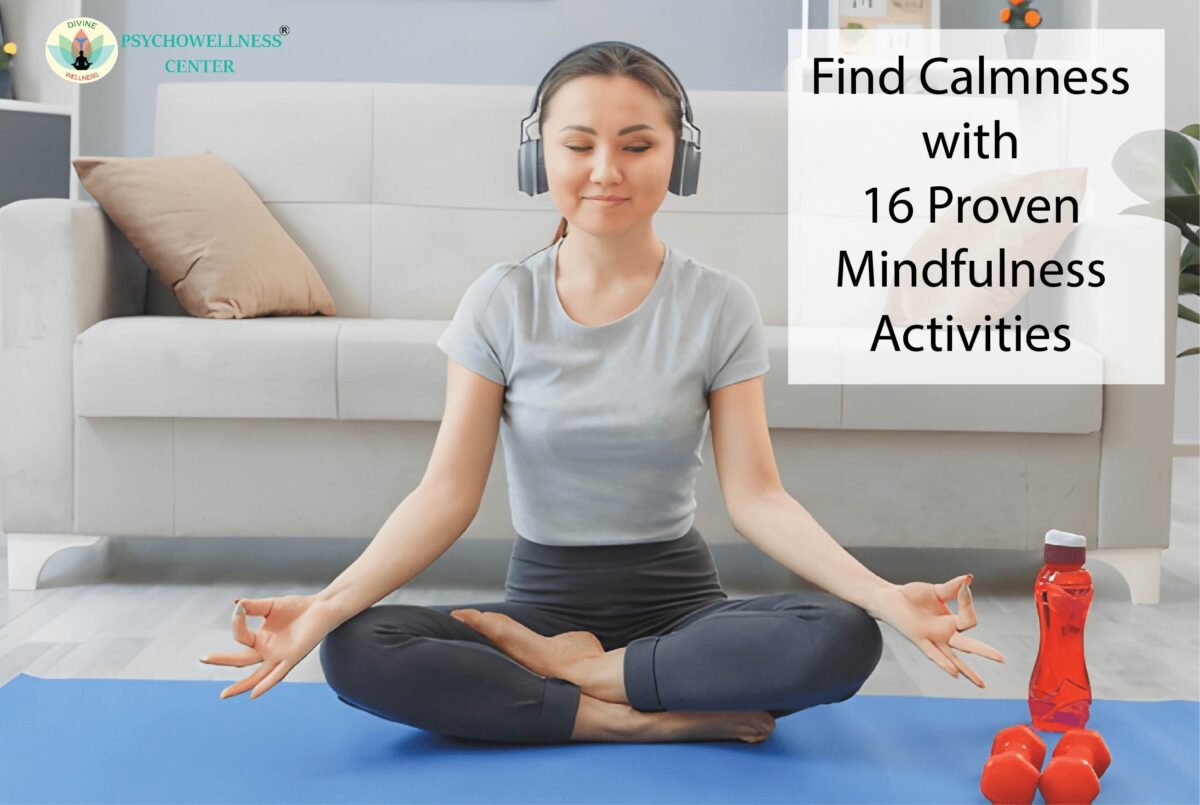
In an increasingly fast-paced and demanding world, maintaining mental calmness has become a significant challenge for many individuals. Constant work pressure, emotional responsibilities, social expectations, and continuous digital engagement often leave little room for rest and reflection. As a result, many people experience heightened stress, anxiety, emotional fatigue, and difficulty concentrating. Over time, prolonged exposure to such stressors can hurt both psychological well-being and physical health.
One evidence-based approach that has gained global recognition for enhancing emotional well-being is mindfulness. Rooted in awareness and intentional presence, mindfulness encourages individuals to step away from automatic reactions and reconnect with the present moment. It offers a practical way to slow down, regain clarity, and cultivate inner stability amid external pressures.
Mindfulness involves consciously paying attention to the present moment with openness, curiosity, and without judgment. Rather than attempting to control thoughts or suppress emotions, mindfulness promotes observing them as they arise. Mental health professionals widely recommend mindfulness as a supportive practice for managing stress, anxiety, depression, and emotional dysregulation. When practised consistently, mindfulness fosters resilience, enhances emotional awareness, and promotes a lasting sense of calm.
The Importance of Mindfulness for Mental Health
Mindfulness works by calming the body’s stress response system. When the mind remains in a constant state of worry, rumination, or overthinking, the nervous system stays activated for extended periods. This continuous state of alertness can lead to emotional exhaustion, irritability, sleep disturbances, and difficulty managing emotions.
This shift signals the brain and body to relax, activating the parasympathetic nervous system responsible for rest and recovery. Over time, regular mindfulness practice strengthens emotional regulation and improves one’s ability to respond thoughtfully rather than react impulsively.
Clinical research indicates that mindfulness-based practices are effective in reducing symptoms of anxiety and depression, improving emotional regulation, enhancing focus, and supporting overall mental health. These practices are frequently integrated into therapeutic interventions to complement psychological treatment and promote long-term emotional stability.
16 Proven Mindfulness Activities to Cultivate Calmness
- Mindful Breathing:- Focusing on slow, deep breathing helps regulate the nervous system and creates immediate relaxation. Observing the natural rhythm of the breath anchors awareness in the present moment.
- Body Scan Meditation:- This practice involves gently shifting attention across different parts of the body, noticing sensations without judgment. It improves mind–body awareness and releases accumulated tension.
- Mindful Walking:- Walking slowly while paying attention to each step, movement, and physical sensation encourages grounding and enhances mental clarity.
- Sensory Awareness:- Consciously observing sounds, textures, smells, or visual details helps disengage from intrusive thoughts and strengthens present-moment focus.
- Mindful Eating:- Eating with full attention to taste, texture, and aroma fosters a healthier relationship with food and increases awareness of bodily signals.
- Gratitude Reflection:- Taking time to acknowledge positive aspects of life enhances emotional balance, reduces negativity, and promotes psychological resilience.
- Progressive Muscle Relaxation:- Systematically tensing and relaxing muscle groups reduces physical stress and promotes a deep sense of relaxation.
- Guided Mindfulness Meditation:- Structured audio guidance helps individuals develop consistency in mindfulness practice, especially those new to meditation.
- Emotional Awareness Practice:- Observing emotions as they arise and labelling them without judgment strengthens emotional intelligence and self-regulation.
- Visualisation Techniques:- Imagining peaceful environments engages the senses and supports relaxation, particularly during periods of heightened stress.
- Reflective Journaling:- Writing thoughts and emotions freely allows individuals to process experiences, gain insight, and reduce mental overload.
- Loving-Kindness Meditation- Sending thoughts of compassion toward oneself and others enhances emotional warmth, empathy, and interpersonal connection.
- Single-Task Focus:- Engaging in one task at a time with full attention reduces cognitive overload and improves productivity and mental clarity.
- Breath Counting:- Counting breaths strengthens concentration, reduces distractions, and supports mental discipline.
- Digital Mindfulness:– Limiting screen exposure and practising conscious technology use helps reduce overstimulation and mental fatigue.
- End-of-Day Reflection:– Reviewing daily experiences without self-criticism supports emotional growth, self-awareness, and psychological balance.
Benefits of Practising Mindfulness Regularly
Consistent mindfulness practice offers a wide range of mental health benefits, including reduced anxiety and stress levels, improved emotional regulation, enhanced concentration and cognitive flexibility, better sleep quality, and increased self-awareness. Additionally, mindfulness supports emotional resilience, helping individuals cope more effectively with life’s challenges. These benefits make mindfulness a valuable tool not only for emotional wellness but also as a complementary approach alongside professional mental health care.
Integrating Mindfulness into Daily Life
Mindfulness does not require extended periods of practice or major lifestyle changes. Even a few minutes of daily awareness can lead to meaningful improvements over time. Starting with short sessions, maintaining consistency, and practising self-compassion are crucial for achieving sustainable progress.
Mindfulness is not about eliminating thoughts or achieving perfection. Instead, it focuses on changing how one responds to thoughts and emotions. Through regular practice, individuals can develop a calmer, more balanced, and more intentional approach to life’s demands.
Conclusion
Calmness is not a passive state but an intentional practice that can be cultivated through mindfulness. These 16 mindfulness activities offer practical ways to manage stress, improve emotional regulation, and support overall mental well-being. While consistent self-practice can bring meaningful change, professional guidance can further deepen this journey.
Psychowellness Center, with conveniently located clinics in Janakpuri and Dwarka Sector 17, Delhi, offers comprehensive mental health services, including psychological counselling in Delhi for individuals, couples, and families. Those seeking guidance from a best clinical psychologist can access evidence-based therapy tailored to their emotional and psychological needs.
The center is also a trusted choice for individuals searching for a counsellor near me, offering professional support for stress, anxiety, relationship concerns, and emotional well-being. For people exploring options for the best psychologist near me, Psychowellness Center provides expert in-person care with appointments available at 011-47039812 or 7827208707. In association with TalktoAngel, the center also offers secure and confidential online counselling across India.
Explore More: https://www.youtube.com/watch?v=YGyl_SwZ3SM
https://youtube.com/shorts/_QRc1mB1tlY?
Contribution: Dr. R.K. Suri, Clinical Psychologist, and Ms. Tanu Sangwan, Counselling Psychologist
References
- Kabat-Zinn, J. (2003). Mindfulness-based interventions in context: Past, present, and future. Clinical Psychology: Science and Practice, 10(2), 144–156.
- Baer, R. A. (2003). Mindfulness training as a clinical intervention. Clinical Psychology: Science and Practice, 10(2), 125–143.
- Creswell, J. D. (2017). Mindfulness interventions. Annual Review of Psychology, 68, 491–516.
- Hofmann, S. G., Sawyer, A. T., Witt, A. A., & Oh, D. (2010). The effect of mindfulness-based therapy on anxiety and depression. Journal of Consulting and Clinical Psychology, 78(2), 169–183.
- Shapiro, S. L., Carlson, L. E., Astin, J. A., & Freedman, B. (2006). Mechanisms of mindfulness. Journal of Clinical Psychology, 62(3), 373–386.