
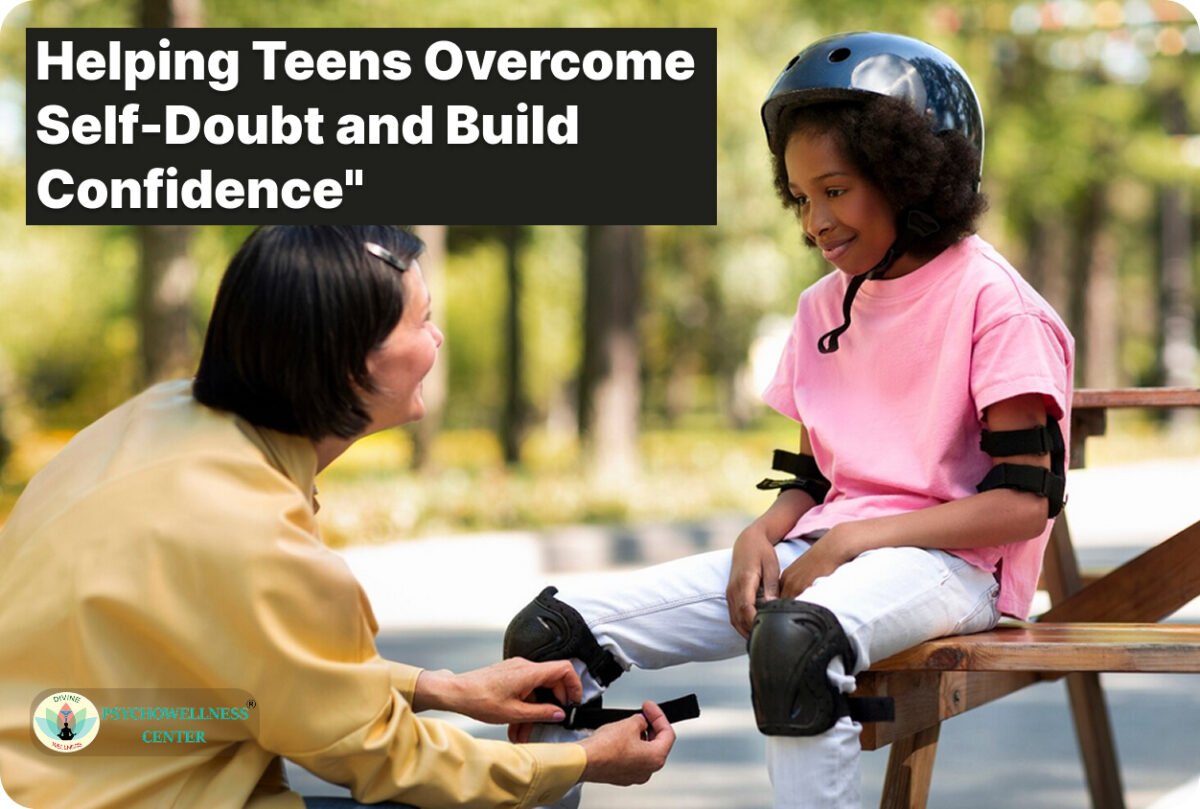
Teenage years are often described as some of the most challenging stages in a person’s life. Caught between childhood and adulthood, teens face a whirlwind of physical, emotional, and social changes. With the pressure to fit in, excel academically, manage relationships, and figure out who they are, it’s no surprise that many teens struggle with self-doubt. The good news? Self-doubt isn’t permanent. With the right support, teens can learn to believe in themselves and build a healthy, lasting sense of confidence. In this blog, we’ll explore why self-doubt happens during adolescence, how it affects mental health and development, and, most importantly, how parents, teachers, and mentors can help teens overcome it.
Understanding the Roots of Teen Self-Doubt
Let’s first understand the issue before discussing potential solutions. The feeling of uncertainty or lack of confidence in one’s skills, choices, or values is known as self-doubt. In teens, it often stems from:
- Social comparison – With constant exposure to curated lives on social media, teens often compare themselves to others, feeling “not good enough.”
- Academic pressure – School performance is heavily emphasized, and teens may feel they’re not smart or capable if they struggle.
- Identity struggles – Identity struggles: Teenagers are still figuring out who they are. Any setbacks or criticism can shake their self-image.
- Family or peer criticism – Even well-intentioned feedback from parents or peers can cause teens to question their abilities.
- Perfectionism – Teens often set unrealistic standards for themselves. Failing to meet them can lead to harsh self-judgment.
Why Confidence Matters
Being confident goes beyond simply “feeling good” about oneself. For teens, self-confidence:
- Encourages resilience in the face of challenges
- Promotes mental well-being
- Supports positive decision-making
- Helps teens resist peer pressure
- Builds healthy relationships
- Sets the foundation for future success
When teens lack confidence, they may withdraw socially, underperform in school, or engage in self-destructive behavior. That’s why building confidence during adolescence is so critical.
How to Help Teens Overcome Self-Doubt
- Validate Their Feelings
First and foremost, let teens know it’s okay to feel uncertain or insecure. Avoid dismissing their feelings with phrases like “You’re just being dramatic” or “You’ll be fine.” Instead, say things like:
- “I know that’s hard. Want to talk about it?”
- “It’s okay to feel unsure sometimes. I do too.”
Validation helps teens feel heard and accepted, which is the first step to building trust and self-worth.
2. Model Confidence and Self-Compassion
Teens learn a lot by watching adults. If you constantly criticize yourself, they may adopt the same behavior. On the other hand, when you show confidence and self-compassion, they see that it’s okay to make mistakes and grow from them.
- Talk openly about your failures and what they taught you.
- Avoid negative self-talk in front of your teen.
3. Encourage a Growth Mindset
A growth mindset teaches teens that abilities and intelligence can be developed through effort, strategy, and help from others. In contrast, a fixed mindset suggests that you’re either born with ability or you’re not.
To foster a growth mindset:
- “You worked hard on that project, I’m proud of your dedication” is
- an example of praising effort rather than just outcomes.
- Teach them to view setbacks as learning opportunities.
- Encourage problem-solving rather than giving up.
4. Help Them Set Realistic Goals
Teens often feel overwhelmed when they set unrealistic or vague goals. Help them break big objectives into smaller, achievable steps. For example:
Achieving small wins builds confidence and shows them that progress is possible.
5. Teach Them Positive Self-Talk
Teens often have an inner critic that says things like “I’m not good enough” or “I always mess things up.” Teach them how to challenge and replace those thoughts.
- It should be replaced with kindness: “I made a mistake, yet I can gain knowledge from this.”
- Encourage children to write and repeat affirmations such as “I am capable” or “I can handle challenges.”
Celebrate Effort and Progress, Not Just Achievement
Teens need to feel that they are more than their test scores, looks, or social status. Acknowledge their persistence, empathy, creativity, and kindness. Say things like:
- “You were really brave to speak up today.”
This helps them develop a deeper, more resilient sense of self-worth.
7. Encourage Activities That Build Mastery
Confidence comes from doing, not just thinking. Encourage your teen to engage in activities that challenge them and let them see their growth over time. This could include:
- Sports
- Music or art
- Volunteering
- Public speaking
- Learning a new language or skill
These experiences build confidence by showing teens they can learn, improve, and succeed.
8. Limit Social Media Consumption
Social media is a breeding ground for comparison and unrealistic expectations. Help teens develop a healthy relationship with it by:
- Setting screen-time boundaries
- Talking openly about the difference between real life and online appearances
- Encouraging “digital detox” days
- Teaching them to curate their feeds to follow uplifting, diverse, and real accounts
9. Provide Opportunities for Autonomy
Confidence grows when teens feel trusted and capable. Give them age-appropriate responsibilities and decision-making power:
- Let them plan family outings
- Involve them in budgeting for personal expenses
- Allow them to choose their extracurriculars or part-time jobs
This teaches independence and reinforces their sense of capability.
10. Seek Professional Support if Needed
Sometimes, self-doubt is deeply rooted and accompanied by anxiety, depression, or low self-esteem. If your teen’s struggles are persistent and affecting their daily life, consider seeking help from a counselor, therapist, or school counselor. Physical and mental well-being are equally vital.
Conclusion
Helping teens overcome self-doubt isn’t about making them perfect or fearless, it’s about helping them recognize their worth, resilience, and potential. Confidence isn’t something we’re born with; it’s something we build, piece by piece, over time. As adults, our role is to be steady guides. Listen. Encouragement. Teach. Believe in them, even when they don’t believe in themselves yet. Because one day, they will.
With the right emotional guidance, adolescents can learn healthier ways to see themselves, manage negative thoughts, and build lasting confidence. Evidence-based interventions like Cognitive Behavioral Therapy (CBT) help teens challenge harsh self-criticism and replace it with realistic, empowering thoughts. Dialectical Behavior Therapy (DBT) strengthens emotional regulation and coping skills, especially for teens who feel overwhelmed or sensitive to criticism. Art and Expressive Therapies allow teens to explore identity and emotions creatively, while Mindfulness-Based Therapy helps reduce anxiety and build self-awareness. Family dynamics also influence confidence, making Family Therapy an effective tool to improve communication and create a supportive environment.
Contribution: Dr. R.K. Suri, Clinical Psychologist, and Ms. Drishti Rajore, Counselling Psychologist
References
- Self‑doubt in late childhood and early adolescence — a study on how self‑doubt evolves during adolescence. PubMed
- Helping Strangers Builds Confidence in Teens — research linking prosocial behavior (helping others) with greater self‑esteem in adolescents. Fisher Scientific+1
- Think Confident, Be Confident for Teens — a cognitive therapy guide tailored for adolescents to overcome self‑doubt and build self-esteem. ABCT