
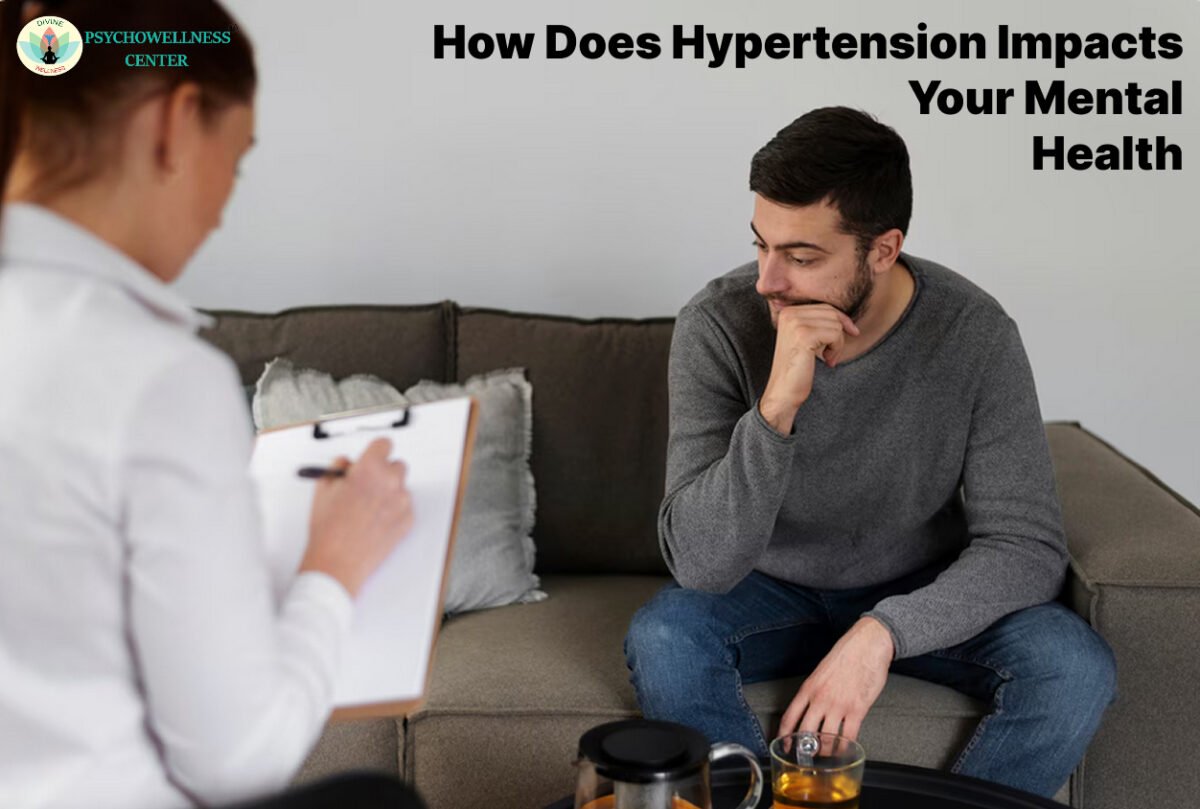
Hypertension, commonly known as high blood pressure, is often discussed in relation to heart disease, stroke, and kidney problems. However, what is less frequently acknowledged but equally important is its profound impact on mental health. Hypertension is not just a physical condition; it is deeply interconnected with psychological well-being, influencing emotions, behaviour, motivation, and overall quality of life.
Understanding Hypertension and the Mind–Body Connection
Hypertension is a chronic condition in which the force of blood against the artery walls remains consistently high. Living with a long-term medical condition often activates the body’s stress response. Over time, this constant physiological arousal can disturb emotional regulation, sleep patterns, and cognitive functioning.
The brain and cardiovascular system are closely connected. Hormones such as cortisol and adrenaline, released during stress, directly increase blood pressure. When this cycle becomes chronic, mental health begins to suffer.
Stress: The Silent Trigger
Stress plays a dual role in hypertension; it can both cause and worsen it. Daily stressors such as work pressure, financial concerns, family responsibilities, or health anxiety can elevate blood pressure temporarily. When stress becomes chronic, it contributes to sustained hypertension.
Psychologically, constant stress leads to:
- Irritability and emotional exhaustion
- Difficulty concentrating
- Sleep disturbances
- Reduced coping capacity
Over time, individuals may feel overwhelmed and helpless, which further reinforces negative mental health outcomes.
Anxiety and Health-Related Fear
People diagnosed with hypertension often experience anxiety, especially health anxiety. Concerns about heart attacks, strokes, or lifelong medication can lead to excessive worry and hypervigilance about bodily sensations.
Anxiety symptoms commonly include:
- Racing thoughts
- Palpitations
- Fear of losing control
- Avoidance of physical activity due to fear of blood pressure spikes
This anxiety can ironically elevate blood pressure further, creating a vicious cycle between mental and physical health.
Depression, Low Motivation, and Emotional Fatigue
Long-term hypertension is strongly associated with depression. Managing a chronic illness can feel draining and restrictive, leading to feelings of sadness, hopelessness, and emotional numbness.
Depression related to hypertension may present as:
- Low motivation to exercise or follow treatment plans
- Loss of interest in previously enjoyed activities
- Fatigue and low energy
- Poor adherence to medication
When depression sets in, individuals may struggle with self-improvement, feeling that their efforts will not make a difference.
Loneliness, Dependence, and Reduced Self-Esteem
Hypertension can subtly alter social and personal identity. Dietary restrictions, lifestyle changes, and physical limitations may cause individuals to withdraw socially, leading to loneliness.
In some cases, people become emotionally or practically dependent on family members for care, which may affect:
- Self-esteem, especially when individuals feel like a burden
- Confidence in decision-making
- Sense of autonomy and independence
Low self-esteem can intensify mental health struggles and reduce the likelihood of seeking help.
Hypertension and Bipolar Disorder
Research suggests that individuals with bipolar disorder may have a higher risk of developing hypertension due to medication side effects, lifestyle factors, and stress-related biological mechanisms. Conversely, managing hypertension alongside mood fluctuations can complicate emotional stability.
Mood episodes both manic and depressive can interfere with routine health behaviors, increasing cardiovascular risks and emotional distress.
The Role of Therapists and Counsellors
Mental health professionals play a critical role in supporting individuals with hypertension. The role of the therapist is not only to address emotional distress but also to help clients develop healthier coping strategies and sustainable lifestyle changes.
With increasing accessibility, online therapists and counselors have become a valuable option, especially for individuals who:
- Have mobility or time constraints
- Feel hesitant about in-person therapy
- Live in remote or underserved areas
Online therapy offers flexibility while maintaining evidence-based care.
CBT: Changing Thoughts to Improve Health
Cognitive Behavioural Therapy (CBT) is one of the most effective therapeutic approaches for individuals with hypertension-related mental health concerns. CBT helps people identify and challenge unhelpful thought patterns such as catastrophizing (“My blood pressure means my life is over”) or all-or-nothing thinking.
CBT supports:
- Stress management
- Anxiety reduction
- Improved treatment adherence
- Enhanced self-esteem and self-efficacy
By changing the way individuals think about their illness, CBT positively influences both mental and physical outcomes.
Mindfulness and Emotional Regulation
Mindfulness practices focus on present-moment awareness without judgment. Techniques such as mindful breathing, body scans, and meditation have been shown to reduce stress and lower blood pressure.
Benefits of mindfulness include:
- Improved emotional regulation
- Reduced anxiety and depressive symptoms
- Greater self-awareness
- Enhanced motivation for self-improvement
Mindfulness empowers individuals to respond to stress more calmly rather than reacting automatically.
Moving Toward Self-Improvement and Well-Being
Living with hypertension does not mean living with poor mental health. With the right support, individuals can rebuild self-esteem, regain motivation, and pursue meaningful self-improvement.
Key steps include:
- Seeking professional mental health support
- Practicing stress reduction techniques
- Building social connections
- Adopting realistic, compassionate health goals
Mental and physical health are not separate journeys they are deeply intertwined.
Conclusion
Hypertension is not only a physical condition but a complex mind–body challenge that has a significant impact on mental health. It commonly contributes to increased stress, anxiety, depressive symptoms, feelings of isolation, reduced motivation, dependence, and lowered self-esteem, all of which can interfere with effective self-care and treatment adherence. Addressing these psychological concerns in conjunction with medical management is essential. Support from mental health professionals, whether through in-person counselling, online therapy, or evidence-based approaches such as Cognitive Behaviour Therapy (CBT) and mindfulness-based interventions, can help individuals regulate stress, improve emotional well-being, and support better blood pressure control.
Professional mental health care plays a vital role in this process. Mental health centres such as The Psychowellness Center, located in Dwarka Sector-17 and Janakpuri, New Delhi, offer specialised therapeutic services for managing stress and emotional difficulties associated with hypertension. Additionally, individuals searching for the best psychologist near me or seeking flexible access to care may benefit from online counselling platforms like TalktoAngel, which connect individuals with experienced psychologists who support emotional regulation, stress management, and long-term resilience. By addressing both the psychological and physiological aspects of hypertension, individuals can achieve more sustainable emotional balance, improved health outcomes, and a better overall quality of life.
Contribution: Dr. R.K. Suri, Clinical Psychologist, and Ms. Sheetal, Counselling Psychologist
References
American Heart Association. (2022). Stress and blood pressure. https://www.heart.org
Berk, M., et al. (2013). Cardiovascular disease and bipolar disorder: A critical review. Bipolar Disorders, 15(6), 1–12. https://doi.org/10.1111/bdi.12075
Cohen, B. E., Edmondson, D., & Kronish, I. M. (2015). State of the art review: Depression, stress, anxiety, and cardiovascular disease. American Journal of Hypertension, 28(11), 1295–1302. https://doi.org/10.1093/ajh/hpv047
Hofmann, S. G., et al. (2012). The efficacy of cognitive behavioral therapy: A review of meta-analyses. Cognitive Therapy and Research, 36(5), 427–440. https://doi.org/10.1007/s10608-012-9476-1
Loucks, E. B., et al. (2015). Mindfulness-based interventions and cardiovascular health. Current Cardiology Reports, 17(12), 112. https://doi.org/10.1007/s11886-015-0678-3
World Health Organization. (2023). Hypertension. https://www.who.int
https://www.psychowellnesscenter.com/Blog/7-home-remedies-for-managing-high-blood-pressure/
https://www.talktoangel.com/blog/the-link-between-hypertension-and-stress
https://www.psychowellnesscenter.com/Blog/best-clinical-psychologist-in-dlf-phase-4-gurgaon/
https://www.psychowellnesscenter.com/Blog/how-to-manage-psychosomatic-disorders/
https://www.psychowellnesscenter.com/Blog/mental-health-benefits-of-trekking-and-hiking/
https://www.talktoangel.com/blog/how-anger-can-affect-your-whole-day
https://www.psychowellnesscenter.com/Blog/best-psychologist-in-bijnor/
https://www.psychowellnesscenter.com/Blog/best-psychologist-in-bharatpur/
https://www.psychowellnesscenter.com/Blog/healing-in-the-city-the-power-of-urban-green-spaces/
https://www.psychowellnesscenter.com/Blog/the-best-psychologist-in-central-delhi/
https://www.psychowellnesscenter.com/Blog/importance-of-mental-health-awareness-in-society/
https://www.psychowellnesscenter.com/Blog/significance-of-emotional-regulation-in-daily-life/
https://www.psychowellnesscenter.com/Blog/best-psychologist-in-faridabad/