
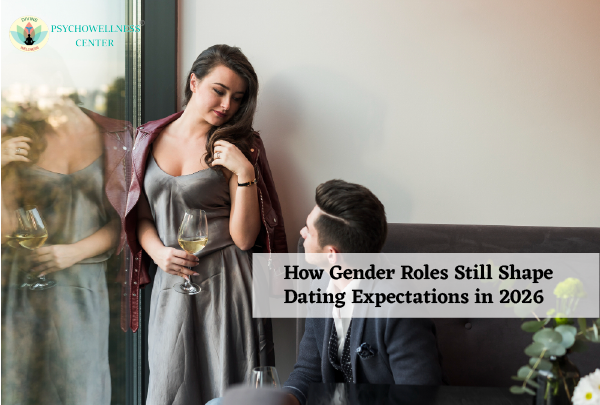
Dating in 2026 looks very different from a decade ago. Apps have become more nuanced, conversations around equality are more visible, and many people openly question traditional relationship norms. Yet, despite social progress, gender roles continue to shape dating expectations in subtle and not-so-subtle ways. Even when individuals consciously reject stereotypes, deeply rooted cultural messages often influence behaviour, communication patterns, and emotional expectations in romantic relationships.
Who Initiates and Who Responds
Although modern dating encourages equal participation, many still expect men to initiate conversations, plan dates, or define the relationship. Women, on the other hand, may feel pressure to appear approachable but not “too forward.” These expectations may not always be openly discussed, but they influence how people interpret interest and effort. When someone deviates from these patterns, it can create confusion or misplaced assumptions about confidence, seriousness, or compatibility.
Financial Expectations
Despite increased financial independence across genders, traditional ideas around who pays on a date continue to surface. Some individuals view splitting expenses as a sign of equality, while others interpret it as a lack of chivalry or interest. The tension between modern values and traditional scripts can lead to misunderstandings. What feels respectful to one person may feel dismissive to another, especially when expectations are unspoken.
Emotional Expression and Vulnerability
Gender roles often dictate how emotional expression is perceived. Men may still feel pressure to appear composed, decisive, and emotionally restrained. Women may be expected to be nurturing, emotionally expressive, and accommodating. These expectations can limit authentic communication. When one partner suppresses vulnerability due to social conditioning, emotional intimacy may suffer. Conversely, when emotional labour falls disproportionately on one partner, an imbalance develops.
Career and Ambition
As professional identities evolve, dating dynamics shift alongside them. Women with ambitious career goals may encounter subtle resistance if their success challenges traditional power dynamics. Similarly, men who prioritise work-life balance over financial dominance may face judgment for not fitting conventional provider roles. These expectations often operate beneath conscious awareness but influence attraction, compatibility, and long-term planning.
Appearance Standards
Social media continues to amplify appearance-based validation. Although beauty standards affect all genders, women often face heightened scrutiny regarding physical presentation. Men may experience pressure related to height, physique, or financial status as markers of desirability. These standards can influence dating confidence and self-worth. When attraction becomes closely tied to unrealistic ideals, individuals may internalise insecurity or engage in performative behaviours to meet perceived expectations.
Commitment Timelines
Gender norms frequently shape assumptions about readiness for commitment. Women may feel societal pressure related to age and marriage timelines, while men may encounter narratives encouraging prolonged independence. These timelines can create friction when partners hold different internalised expectations. Without open communication, such differences may lead to misaligned goals and frustration.
The Influence of Family and Culture
Cultural traditions continue to reinforce specific gendered expectations around marriage, household roles, and parenting. Even in urban settings where dating is more individualistic, family beliefs can influence partner selection and long-term decision-making. Individuals may struggle to balance personal values with inherited norms. This tension can affect how freely they express preferences or negotiate roles within a relationship.
Challenging Internalised Narratives
Recognising the persistence of gender roles does not imply that progress has stalled. Many couples actively redefine responsibilities and expectations based on mutual agreement rather than tradition. However, doing so requires awareness.
Unexamined assumptions often lead to resentment. For example, expecting a partner to assume emotional caregiving without discussion can create an imbalance. Similarly, expecting financial leadership without shared dialogue may foster dissatisfaction.
Healthy relationships benefit from intentional conversations about expectations. Discussing finances, emotional needs, long-term goals, and household responsibilities early reduces the influence of unspoken gender scripts.
Psychological Impact of Rigid Roles
When individuals feel confined by prescribed roles, emotional strain can develop. Suppressing vulnerability, overextending to appear agreeable, or conforming to external standards can contribute to stress and reduced self-esteem. Over time, these pressures may affect relationship satisfaction. Authenticity is difficult to sustain when behaviour is guided by fear of judgment rather than mutual respect.
Moving Toward Flexible Partnerships
Modern dating increasingly values adaptability. Rather than assigning roles based on gender, many couples prioritise strengths, preferences, and shared values. Flexibility allows both partners to grow without feeling constrained by outdated expectations. Open communication, emotional literacy, and mutual respect are central to this shift. When individuals examine their assumptions and articulate needs clearly, relationships become more collaborative and less performative.
Conclusion
Although dating norms have evolved, gender roles continue to influence expectations around initiation, finances, emotional expression, appearance, and commitment. Recognising these patterns allows individuals to build relationships grounded in clarity rather than inherited scripts. Those navigating dating challenges or relational confusion may consider seeking support from a relationship counsellor in Delhi, a couple counselling near me, a relationship counsellor near me, a marriage counsellor in Delhi, or the best psychologists in Delhi. Professional guidance at Psychowellness Center can help individuals examine internalised expectations and foster healthier, more balanced relationship dynamics.
Healthy relationships need trust, understanding, and open communication, but challenges and misunderstandings can sometimes create distance between partners. Relationship counselling offers a supportive space where couples can express their concerns, improve communication, and work through conflicts with the guidance of a professional therapist. It helps partners rebuild emotional connection and develop healthier ways to strengthen their relationship. To explore more about relationship counselling, check out this video by Psychowellness Center.
Contribution: Dr. R.K. Suri, Clinical Psychologist, and Ms.Charavi Shah, Counselling Psychologist
References
- England, P., & Bearak, J. (2014). The sexual double standard and gender differences in attitudes toward casual sex among U.S. university students. Demography, 51(4), 1327–1350. https://doi.org/10.1007/s13524-014-0305-1
- Hochschild, A. R., & Machung, A. (2012). The second shift (Rev. ed.). Penguin Books.
- Simon, R. W., & Nath, L. E. (2004). Gender and emotion in the United States: Do men and women differ in self-reports of feelings and expressive behavior? American Journal of Sociology, 109(5), 1137–1176. https://doi.org/10.1086/382111
- West, C., & Zimmerman, D. H. (1987). Doing gender. Gender & Society, 1(2), 125–151. https://doi.org/10.1177/0891243287001002002
- https://www.psychowellnesscenter.com/Blog/online-dating-impacts-pros-and-cons-from-psychologists-perspective/