
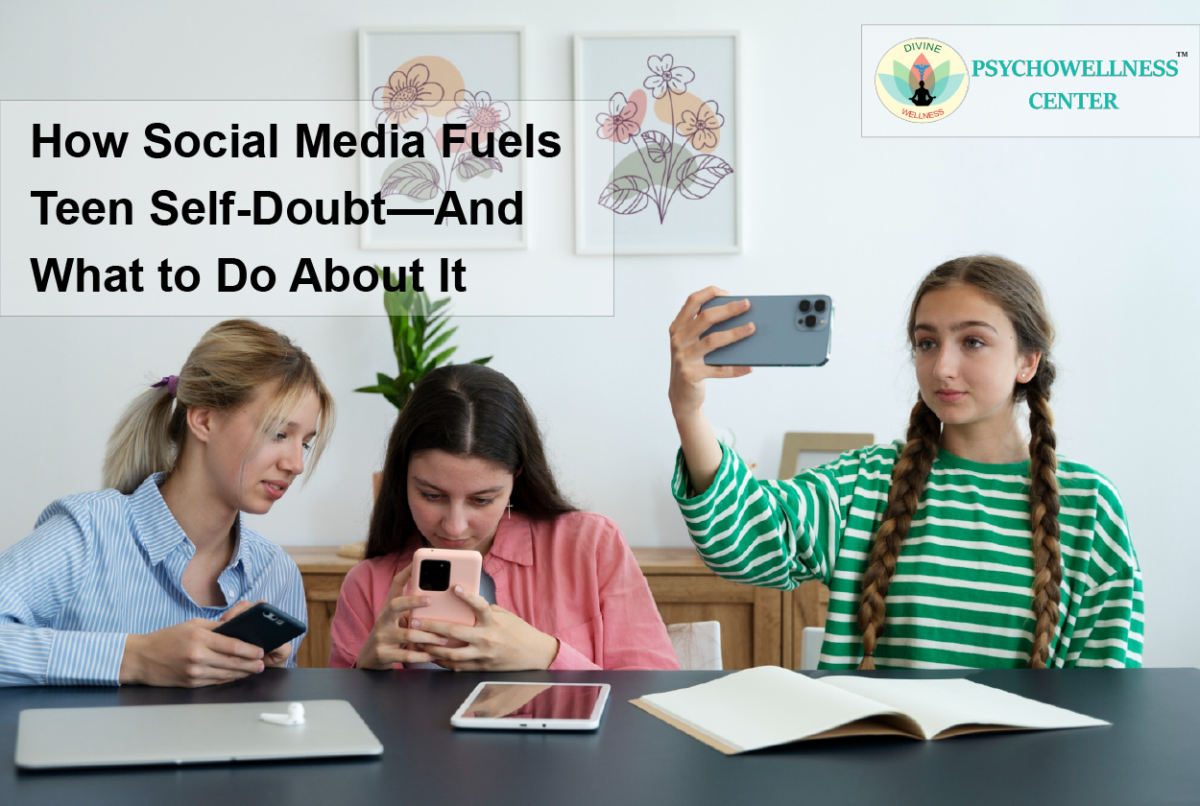
In today’s hyper-connected world, teenagers grow up with smartphones in their hands and social media shaping how they view themselves. Platforms like Instagram, TikTok, Snapchat, and YouTube often act as mirrors, influencing self-worth through likes, comments, and comparisons. During adolescence—a stage of emotional sensitivity, identity formation, and social awareness—constant online exposure can quietly undermine confidence and trigger inner conflict.
Research increasingly connects heavy social media use with higher levels of anxiety, emotional overload, stress, and sleep disruption among teens. The pressure to appear perfect, stay relevant, and gain approval can feel overwhelming. This raises important questions: why does this digital environment affect teens so deeply, and what practical steps can help reduce its emotional impact?
The Highlight Reel Effect: A Distorted Sense of Reality
One of the most damaging aspects of social media is the “highlight reel” phenomenon. Users typically share their best moments—perfect selfies, vacations, achievements—while hiding everyday struggles. Teenagers, who are biologically wired to seek acceptance, often fall into social comparison without realising it. When they repeatedly view curated images of peers appearing happier, more successful, or more attractive, they may begin to feel inadequate.
This skewed comparison can contribute to:
- Negative perceptions of body image, fueled by filters, editing apps, and unrealistic beauty standards
- Academic and social pressure when peers showcase achievements or social gatherings
- Fear of missing out, where teens believe everyone else is living a better, more fulfilling life
Over time, these patterns can damage emotional well-being and create persistent self-doubt.
Validation Culture: Likes, Comments, and Self-Worth
Social media thrives on engagement metrics—likes, comments, shares, and views. For many teens, these numbers become a measure of personal value. A post that doesn’t receive attention can feel like rejection, reinforcing feelings of low self-esteem. Instead of developing internal confidence, teenagers may start depending on external approval to feel worthy, making their emotional state vulnerable to every notification—or lack of one.
Cyberbullying and Digital Rejection
Cyberbullying has transformed traditional bullying into a relentless, 24/7 experience that often follows teenagers everywhere through their devices. Hurtful comments, exclusion from group chats, public shaming, and anonymous messages can severely affect a teen’s emotional well-being and self-esteem. Victims may feel trapped, powerless, and exposed to judgment at all times. Even subtle digital actions—such as being unfollowed, left on read, or deliberately ignored—can trigger feelings of rejection, loneliness, and emotional isolation, reinforcing self-doubt and increasing stress and anxiety.
The Illusion of Connection
While social media promises connection, excessive use often leads to loneliness. Virtual interactions can replace meaningful, face-to-face relationships, leaving teens emotionally unfulfilled. The absence of a real connection weakens opportunities to build self-confidence through genuine support, empathy, and shared experiences.
Why Teens Are Especially Vulnerable
Teen brains are still developing, particularly the areas responsible for judgment and emotional regulation. This makes young people more sensitive to feedback and peer approval. When combined with constant online exposure, it becomes harder for teens to form a stable sense of identity.
What Can Be Done to Protect Teen Mental Health?
- Build Digital Awareness:- Teach teens to question what they see online and recognise that most content is curated, edited, or exaggerated.
- Encourage Mindful Social Media Use:- Intentional use—such as following positive accounts and limiting screen time—can significantly reduce emotional strain.
- Strengthen Real-Life Relationships:- Offline friendships, shared activities, sports, hobbies, and creative outlets help teens build genuine connections, boost self-worth, and feel valued for who they are beyond screens and social media.
- Keep Communication Open:- Safe, judgment-free conversations allow teens to express their feelings and seek guidance when online experiences hurt them.
- Model Healthy Behaviour:- When adults demonstrate balanced, mindful technology use—such as setting boundaries, taking digital breaks, and prioritising real-life interactions—teenagers are more likely to observe, learn, and follow similar healthy habits.
- Seek Professional Support When Needed:- Therapeutic approaches such as CBT help teens identify negative thought patterns, while emotional skill-building supports long-term resilience and healthier coping mechanisms.
Conclusion
Social media is not inherently harmful, but its influence on teenagers can be powerful and overwhelming. Without guidance, it can amplify self-doubt, emotional distress, and unrealistic expectations. With awareness, support, and the right tools, teens can learn to navigate the digital world without letting it define their worth.
The Psychowellness Center, located in Dwarka Sector-17 and Janakpuri, New Delhi (011-47039812 / 7827208707), offers youth-focused counselling and emotional wellness programs aimed at strengthening self-esteem, supporting parents searching for the best psychologist near me, accessing expert care from a trusted psychologist in Delhi, and finding reliable psychological counselling in Delhi through evidence-based therapies such as ACT.
Learn more in detail – https://youtube.com/shorts/YV0dtbswsTI?si=jL7FQgj9ecke2cbD
https://youtube.com/shorts/bZNqhchZJmU?si=Xlr4sFeuwUGx1zYo
Contribution: Dr. R.K. Suri, Clinical Psychologist, and Ms. Drishti Rajore, Counselling Psychologist
References
- Overview of both positive and negative effects of social media on youth mental health.https://www.mayoclinic.org/healthy-lifestyle/tween-and-teen-health/in-depth/teens-and-social-media-use/art-20474437 Mayo Clinic
- Discussion of how frequent use relates to brain development, emotional regulation, and associations with depression/anxiety.https://www.hopkinsmedicine.org/health/wellness-and-prevention/social-media-and-mental-health-in-children-and-teens Johns Hopkins Medicine
- Insights and research findings on social media’s negative effects: low self-esteem, body image, cyberbullying.https://www.aecf.org/blog/social-medias-concerning-effect-on-teen-mental-health The Annie E. Casey Foundation