
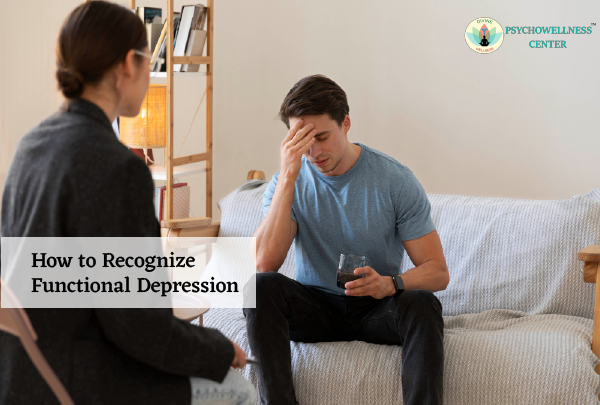
Depression is often imagined as a condition that completely disrupts a person’s ability to function in daily life. However, there is another form that is far less visible but equally challenging—functional depression. People experiencing functional depression often appear successful, productive, and socially active on the outside, yet internally they struggle with persistent emotional exhaustion, sadness, and lack of fulfilment.
Functional depression is not always formally recognised as a clinical diagnosis, but it is closely associated with high-functioning depression or persistent depressive patterns where individuals maintain responsibilities while silently battling emotional distress. Understanding how to recognise the signs is crucial because many individuals delay seeking help simply because they believe they are “doing fine.” This blog explores the psychological aspects of functional depression and how to recognise its subtle yet impactful symptoms.
What Is Functional Depression?
Functional depression refers to a state in which individuals continue to meet their daily responsibilities—such as work, social obligations, and family duties—while experiencing ongoing depressive symptoms internally. These individuals may excel in professional environments, maintain relationships, and appear emotionally stable, making it difficult for others to recognise their struggles.
Psychologically, functional depression often involves suppressing emotions, maintaining a high level of self-expectation, and masking distress behind productivity. Over time, this internal conflict between external performance and internal emotional strain can lead to long-term psychological and physical consequences.
Subtle Signs of Functional Depression
- Persistent Emotional Exhaustion:- One of the earliest indicators of functional depression is constant emotional fatigue. Even after adequate sleep or rest, individuals may feel mentally drained. They push through daily tasks but experience little satisfaction from completing them. This emotional exhaustion often stems from prolonged stress, where the mind remains in a constant state of pressure to perform and maintain responsibilities. Over time, the body and mind struggle to recover, leading to chronic fatigue and emotional depletion.
- Fear of Missing Out and Comparison:- In today’s digital age, social media plays a significant role in shaping self-perception. Many individuals with functional depression constantly compare their lives to others, feeling that they are falling behind or not achieving enough. This psychological pattern is closely tied to fomo, which can intensify feelings of inadequacy and dissatisfaction. Even when individuals are objectively successful, they may feel a persistent sense of missing out or not doing enough. The pressure to keep up with perceived societal standards often contributes to internal emotional conflict.
- Constant Worry and Overthinking:- People experiencing functional depression often maintain a high level of internal tension. Their minds continuously analyse situations, anticipate negative outcomes, and worry about performance or relationships. This mental state is closely connected to anxiety, which frequently coexists with depressive symptoms. While they may appear calm and composed externally, internally, they may struggle with racing thoughts, self-criticism, and fear of failure.
- Difficulty Starting or Completing Tasks:- Another subtle sign is difficulty maintaining motivation despite appearing productive. Individuals may complete important responsibilities but struggle with smaller tasks, personal projects, or self-care routines. This pattern often manifests as procrastination, where tasks are delayed not because of laziness but due to mental fatigue and lack of emotional energy. Psychologically, procrastination in functional depression is linked to low motivation, self-doubt, and perfectionism. Individuals may feel overwhelmed by expectations, leading them to delay tasks even when they are capable of completing them.
- Physical Symptoms Without Clear Cause:- Functional depression does not only affect emotions—it also impacts the body. Many individuals experience headaches, muscle tension, digestive issues, or constant fatigue without an identifiable medical explanation. These symptoms often relate to declining physical health, as prolonged emotional strain can weaken the immune system and increase inflammation in the body. The mind-body connection plays a powerful role in mental health. When emotional distress remains unaddressed, the body often expresses it through physical discomfort.
- Withdrawal from Social Connections:- Despite appearing socially active, individuals with functional depression may gradually reduce meaningful interactions. They might attend events or maintain conversations but feel emotionally disconnected from others. This subtle distancing can evolve into social isolation, where individuals avoid deeper connections or conversations about their emotional experiences. The psychological reason behind this behaviour often involves fear of vulnerability or the belief that others may not understand their struggles.
- Persistent Feelings of Emptiness:- A common psychological characteristic of functional depression is an underlying sense of emotional emptiness. Individuals may achieve goals, maintain relationships, and perform well at work, yet still feel unfulfilled or disconnected from their accomplishments. This internal emptiness is closely associated with loneliness, which does not necessarily depend on being physically alone. Instead, it reflects a deeper emotional disconnection from oneself and others. Over time, this feeling can contribute to decreased life satisfaction and emotional numbness.
- Managing Ongoing Health Challenges:- Functional depression can also develop alongside long-term medical conditions. Living with continuous physical discomfort or medical uncertainty can significantly affect emotional resilience. In such cases, individuals may struggle with chronic health challenges that gradually impact their psychological well-being. Managing illness while maintaining daily responsibilities can create emotional strain that often remains unrecognised. The psychological burden of chronic conditions frequently increases the risk of depressive symptoms.
The Role of Self-Awareness and Emotional Regulation
Recognising functional depression requires developing greater self-awareness. Many individuals dismiss their emotional struggles because they are still able to perform daily tasks. However, emotional health is not defined solely by productivity. One effective psychological approach for managing emotional strain is mindfulness. Mindfulness involves observing thoughts and emotions without judgment, allowing individuals to understand their mental patterns and emotional triggers better. Research in psychology suggests that mindfulness practices—such as meditation, breathing exercises, and reflective journaling—can help regulate emotional responses, reduce mental fatigue, and improve overall well-being.
When to Seek Professional Help
Functional depression can remain hidden for years because individuals continue to meet external expectations. However, persistent emotional distress should never be ignored.
Professional psychological support can help individuals:
- Understand the root causes of emotional distress
- Develop healthier coping mechanisms
- Improve emotional regulation
- Address underlying thought patterns
- Rebuild a sense of fulfilment and motivation
Therapy provides a safe environment where individuals can express emotions openly without judgment.
Conclusion
Functional depression reminds us that mental health struggles are not always visible. A person may appear successful, productive, and socially engaged while silently experiencing emotional exhaustion, self-doubt, and disconnection. Recognising the signs—such as emotional fatigue, withdrawal from meaningful relationships, internal worry, and physical symptoms—can help individuals seek support before these challenges intensify.
If you or someone you know is experiencing these signs, reaching out for professional guidance can make a meaningful difference. Mental health support from experienced professionals at Psychowellness Center can help individuals navigate emotional difficulties and build healthier coping strategies. Consulting a psychologist in Delhi, connecting with the best psychologists in Delhi, finding a trusted counsellor near me, or seeking support from a psychologist delhi ncr can be the first step toward improved emotional well-being and a more balanced life. You can also consider online counselling at TalktoAngel, which offers convenient access to qualified mental health professionals for guidance and support.
To understand these topics more clearly, you can watch the videos Anxiety Disorder and What Is Depression on the Psychowellness Center. These videos provide helpful insights into recognising symptoms, understanding emotional challenges, and learning how mental health support can help individuals manage their well-being more effectively.
Contribution: Dr. R.K. Suri, Clinical Psychologist, and Ms. Mansi, Counselling Psychologist
References
- American Psychiatric Association. (2022). Diagnostic and statistical manual of mental disorders (5th ed., text rev.; DSM–5–TR). American Psychiatric Publishing.
- Beck, A. T., & Alford, B. A. (2009). Depression: Causes and treatment (2nd ed.). University of Pennsylvania Press.
- Kabat-Zinn, J. (2013). Full catastrophe living: Using the wisdom of your body and mind to face stress, pain, and illness (Revised ed.). Bantam Books.