
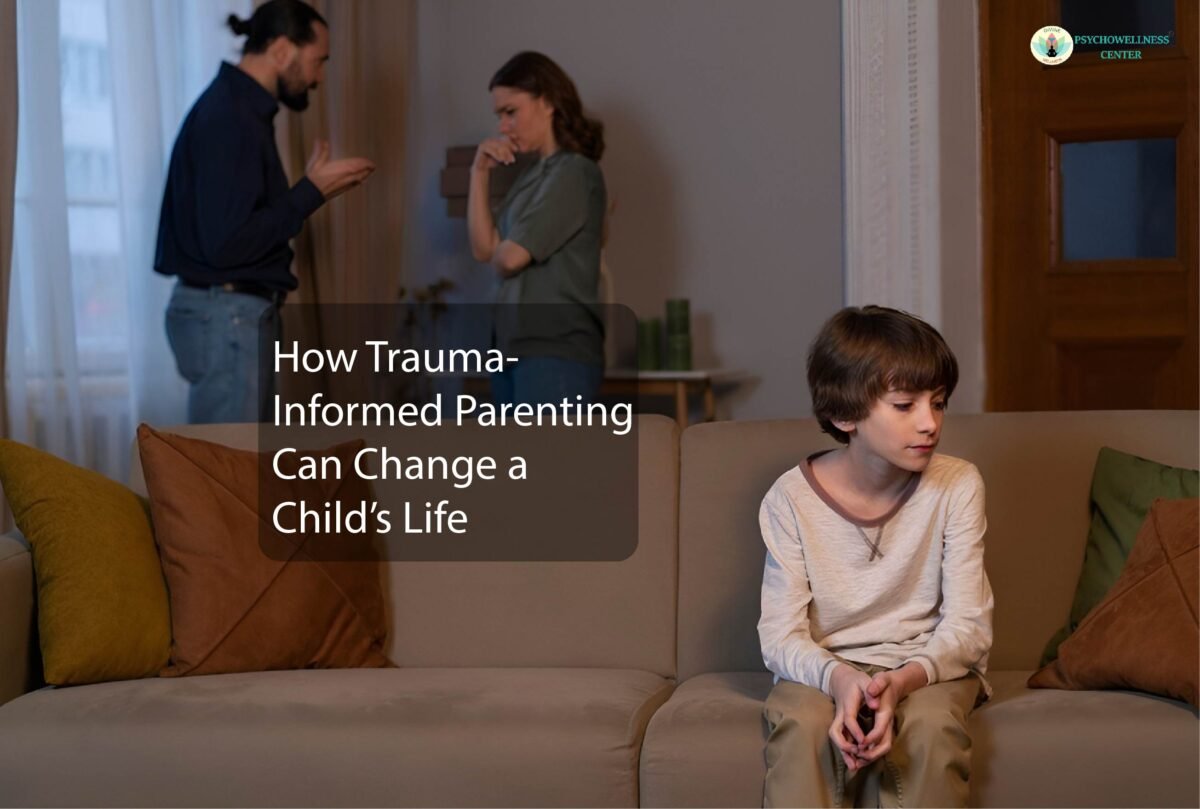
Parenting is one of the most complex and emotionally demanding roles a person can take on. Add trauma, either in the child’s past or the parent’s own, and the task becomes even more challenging. But there’s hope. Trauma-informed parenting offers a path not only for healing but for transforming a child’s future. Grounded in empathy, understanding, and science, this approach can be the turning point in a child’s life journey.
In this blog, we’ll explore what trauma-informed parenting is, why it matters, and how it can fundamentally reshape a child’s emotional, psychological, and even physical well-being.
What Is Trauma-Informed Parenting?
Trauma-informed parenting is an approach to raising children that takes into account the impact of trauma on a child’s development, behavior, and emotional regulation. It involves recognizing signs of trauma, understanding the science behind it, and adjusting parenting practices to create a safe, supportive, and consistent environment.
Rather than seeing a child’s behavior as defiant or disruptive, trauma-informed parenting asks: What happened to you? instead of What’s wrong with you?
This perspective shift is powerful. It acknowledges that behavior is communication, especially for children who have experienced trauma and might not have the words to express what they feel.
Understanding Childhood Trauma
Trauma in children can come from various sources, such as emotional abuse, neglect, the loss of a parent, exposure to domestic violence, natural disasters, or even chronic medical conditions. Trauma has both physiological and psychological effects. Studies show that trauma changes how the brain develops, particularly areas involved in stress response, emotional control, and memory.
The Adverse Childhood Experiences (ACEs) study has shown that children exposed to multiple traumatic events are at higher risk for mental health issues, substance abuse, chronic illness, and even early death. However, with early intervention and supportive caregiving, these outcomes can be significantly altered.
Why Trauma-Informed Parenting Matters
Traditional parenting methods often rely on discipline, correction, or demands for compliance. For children with trauma histories, these approaches can feel threatening or even retraumatizing.
Trauma-informed parenting, in contrast, prioritizes connection over correction. It recognizes that a child acting out is not being “bad” but is likely overwhelmed, dysregulated, or afraid. By shifting focus from punishment to empathy and regulation, parents can build trust and help their children feel safe, something traumatized children desperately need.
Here’s how trauma-informed parenting makes a difference:
1. Creates Psychological Safety
Trauma often strips children of their sense of safety. Trauma-informed parenting reestablishes safety through predictable routines, calm responses, and physical and emotional presence. When children know what to expect and trust that caregivers will respond with kindness and consistency, they begin to let their guard down.
2. Improves Emotional Regulation
Many traumatized children live in a constant state of hyperarousal or dissociation. They might struggle to regulate emotions or respond to stress in healthy ways. Parents who model regulation, by staying calm in the face of chaos, can co-regulate their child, teaching them, over time, how to manage their own emotions.
3. Strengthens Attachment and Connection
Strong, secure attachment is a powerful antidote to trauma. Through consistent, attuned parenting, trauma-informed caregivers foster deep connections with their children. This secure base helps children develop confidence, resilience, and the ability to form healthy relationships.
4. Promotes Healing and Resilience
The human brain has a remarkable capacity for healing and adaptation, which is known as neuroplasticity. With loving, supportive care, a child’s brain can rewire itself. Trauma-informed parenting helps foster this process by providing the safety and support children need to heal.
Core Principles of Trauma-Informed Parenting
The approach is grounded in a few key principles, drawn from trauma research, attachment theory, and neuroscience. These include:
1. Safety First
Children need to feel physically and emotionally safe. This means reducing chaos in the home, avoiding yelling or harsh punishment, and ensuring the child is never afraid of the caregiver.
2. Relationship Over Rules
Connection is more important than control. Rules and boundaries are still important, but they are enforced with empathy, not fear. When kids feel connected, they are more likely to cooperate.
3. Empathy and Understanding
Trauma-informed parents strive to see the world through their child’s eyes. Rather than jumping to conclusions, they question, “What might my child be feeling right now?”
4. Regulation Before Reasoning
A dysregulated child can’t process logic or consequences. Trauma-informed parents focus first on calming the child (and themselves), then discussing behavior or expectations once everyone is emotionally regulated.
5. Consistency and Predictability
Traumatized children often lived in unpredictable or chaotic environments. Consistent routines, responses, and follow-through help rebuild trust and reduce anxiety.
Practical Strategies for Trauma-Informed Parenting
Knowing the theory is helpful, but how does it look in everyday life?
Here are a few strategies parents can implement:
1. Use Calm and Predictable Language
Avoid sudden outbursts or ambiguous threats. Instead, use calm, clear language and outline what will happen next. For example, say, “We’re going to eat dinner in 10 minutes. Rather than yelling “hurry up,” say, “After that, it’s bath time.”
2. Offer Choices
Giving children age-appropriate choices restores a sense of control. It is more empowering to ask someone if they would prefer to clean their teeth before or after putting on pajamas.
3. Build a Routine
Establish morning, after-school, and bedtime routines. Children’s anxiety can be decreased by using visual schedules or charts to assist them know what to expect.
4. Validate Emotions
Even if a child’s reaction seems exaggerated, it’s real to them. They feel noticed and understood when you say something like, “I can see you’re really upset right now.”
5. Take Care of Yourself
Trauma-informed parenting can be emotionally taxing. Parents must prioritize their own regulation, rest, and emotional well-being to stay present and effective.
What If the Parent Has Trauma Too?
Many parents carry their own unresolved trauma, which can be triggered by their child’s behavior or needs. Trauma-informed parenting encourages parents to become self-aware and compassionate with themselves. Seeking therapy, joining support groups, or learning about trauma can help parents break intergenerational cycles and show up more fully for their children.
Healing alongside your child isn’t just possible, it’s powerful.
The Long-Term Impact
When trauma-informed parenting is practiced consistently, the effects are profound and lasting. Children begin to feel safe, valued, and loved. Over time, their behaviors change, not because they fear punishment, but because they trust their caregivers and feel secure in their environment.
They grow into adults who are more emotionally resilient, empathetic, and capable of healthy relationships. And perhaps most importantly, they are more likely to break the cycle and offer the same kind of safe parenting to the next generation.
Conclusion
A child’s future does not have to be determined by trauma. With the right support, understanding, and consistent love, healing is not only possible, it’s probable.
Trauma-informed parenting isn’t about being perfect. It’s about showing up, trying again, and choosing connection over correction. It’s about understanding the “why” behind behavior and responding with empathy instead of anger.
By parenting through the lens of compassion and safety, you can literally rewire your child’s brain, reshape their future, and change the trajectory of their life.
For parents and caregivers navigating the challenges of trauma-informed parenting, professional guidance can make a life-changing difference. Psychowellness Center offers specialized child and family mental health services designed to support trauma recovery and strengthen parent–child relationships. With experienced psychologists providing trauma-informed therapies such as CBT, DBT, attachment-based therapy, and parental guidance sessions, the center helps families create safer, more emotionally responsive environments for children. Services are available at Dwarka Sector-17 and Janakpuri, and appointments can be booked at 011-47039812 / 7827208707. Additionally, TalktoAngel provides convenient online counselling for parents and children, allowing families to access trauma-informed support from the comfort of home, especially when in-person therapy feels overwhelming or inaccessible.
Contribution: Dr. R.K. Suri, Clinical Psychologist, and Ms. Drishti Rajore, Counselling Psychologist
References
- Felitti, V. J., Anda, R. F., Nordenberg, D., Williamson, D. F., Spitz, A. M., Edwards, V., Koss, M. P., & Marks, J. S. (1998). Relationship of childhood abuse and household dysfunction to many of the leading causes of death in adults: The Adverse Childhood Experiences (ACE) Study. American Journal of Preventive Medicine, 14(4), 245–258.
- Perry, B. D., & Szalavitz, M. (2017). The Boy Who Was Raised as a Dog: And Other Stories from a Child Psychiatrist’s Notebook. Basic Books.
- van der Kolk, B. A. (2014). The Body Keeps the Score: Brain, Mind, and Body in the Healing of Trauma. Viking.
- https://www.psychowellnesscenter.com/Blog/trauma-informed-living-what-it-means-and-why-it-matters/
- https://www.psychowellnesscenter.com/Blog/techniques-to-be-a-cycle-breaker-of-generational-trauma/
- https://www.psychowellnesscenter.com/Blog/reparenting-healing-the-inner-child-in-adulthood/
- https://www.psychowellnesscenter.com/Blog/creating-an-inclusive-community-for-children-role-of-parents-and-psychologists/
- https://www.psychowellnesscenter.com/Blog/best-child-psychologist-in-gurugram-haryana/
- https://www.psychowellnesscenter.com/Blog/criterion-for-early-mental-health-screening-among-children/
- https://www.psychowellnesscenter.com/Blog/post-traumatic-stress-and-somatisation-in-adolescents/
- https://www.talktoangel.com/blog/prevention-and-resilience-strategies-for-aces-adverse-childhood-experiences
- https://www.psychowellnesscenter.com/Blog/how-counselling-and-therapy-can-help-children-overcome-school-refusal/