
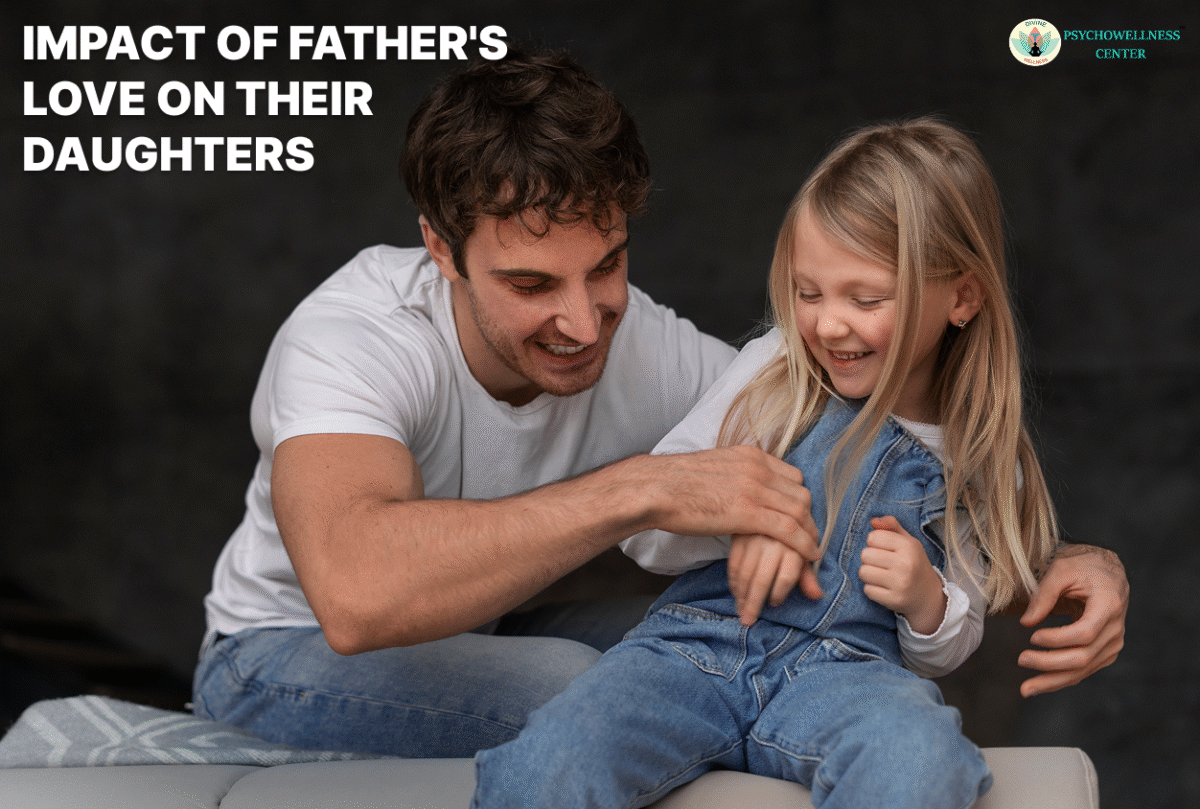
A father’s role in his daughter’s life extends far beyond providing for her basic needs. His love, attention, and emotional support can shape her self-esteem, relationships, and overall mental well-being in profound ways. While mothers often receive more focus in discussions about child development, research increasingly shows that the quality of a father-daughter relationship has a unique and lasting influence.
A father’s love is not just a feeling, it’s an ongoing presence that communicates value, safety, and belonging. From early childhood to adulthood, this connection can influence how a daughter perceives herself and interacts with the world.
Emotional Development and Self-Esteem
One of the most significant effects of a father’s love is on his daughter’s self-worth. When a father consistently affirms his daughter’s value through words, affection, and respect, she learns that she is worthy of love and respect from others as well.
Daughters who grow up with emotionally available fathers tend to:
- Develop greater confidence in their abilities
- Feel more secure expressing themselves
- Have higher resilience in facing life’s challenges
On the other hand, a lack of paternal affection or presence can sometimes lead to self-doubt, people-pleasing behaviors, or seeking validation from unhealthy sources.
Influence on Academic and Career Success
Fathers who show support and encouragement often foster a sense of capability and independence in their daughters. A father’s belief in his daughter’s intelligence and potential can translate into higher academic performance and greater ambition in career pursuits.
Positive father involvement has been linked to:
- Better problem-solving skills
- Higher motivation in school and work
- Greater persistence in achieving goals
This doesn’t necessarily mean a father must be constantly present physically, but rather that his engagement, whether through quality time, guidance, or encouragement, is consistent and meaningful.
Shaping Relationship Patterns
A father’s relationship with his daughter often serves as her first model for how men should treat her. Fathers who show respect, kindness, and emotional support set a standard for what healthy relationships look like.
Daughters who experience such positive modelling are more likely to:
- Choose partners who treat them well
- Maintain healthy boundaries
- Avoid tolerating disrespect or emotional neglect
Conversely, if a father is absent, overly critical, or emotionally distant, a daughter may unconsciously seek out relationships that mirror that dynamic, sometimes leading to cycles of unhealthy attachments.
Emotional Security and Resilience
A loving father provides a secure emotional base from which his daughter can explore the world. This sense of safety doesn’t eliminate life’s difficulties, but it equips her with a deep-rooted belief that she is supported and not alone.
This security can manifest as:
- Confidence in trying new things
- Ability to recover quickly from setbacks
- Reduced fear of failure
When challenges arise, daughters who have felt consistent paternal love are more likely to see themselves as capable of overcoming them.
Impact on Mental Health
Multiple studies show that a father’s warmth and involvement can act as a protective factor against anxiety, depression, and low self-worth in daughters. His encouragement to speak openly about emotions fosters emotional intelligence, which is a key component of mental well-being.
Fathers who create an environment of open communication help their daughters:
- Identify and process their feelings
- Seek help when needed
- Build coping strategies for stress and disappointment
How Fathers Can Show Love Effectively
- Spend Quality Time – Shared activities, no matter how small, build connections.
- Express Affection – Simple gestures like hugs, smiles, or supportive words matter.
- Listen Without Judgment – Being a safe space for her thoughts fosters trust.
- Encourage Her Interests – Support her passions, whether in academics, sports, or the arts.
- Model Respect – Treat others with kindness and respect, showing her what to expect in relationships.
The Lasting Legacy of a Father’s Love
A father’s influence on his daughter doesn’t fade with childhood, it shapes her into adulthood and even impacts how she may parent in the future. The confidence, security, and self-respect she gains from a loving father often become part of her own emotional toolkit for life.
Fathers who prioritise a nurturing and supportive relationship with their daughters are not just contributing to her present happiness, they are investing in her lifelong well-being.
Conclusion
The impact of a father’s love on his daughter is profound and far-reaching. It lays the foundation for her self-esteem, influences her relationships, guides her career aspirations, and strengthens her resilience. While no relationship is perfect, the consistent presence of care, respect, and encouragement from a father can be one of the most powerful gifts a daughter ever receives.
Fathers have a unique opportunity to shape the way their daughters see themselves and the world, reminding them through words and actions that they are worthy, capable, and loved unconditionally. However, if emotional gaps, past wounds, or misunderstandings have created distance in this relationship, seeking professional help can make a meaningful difference.
If you’re searching for the best psychologist near me to navigate emotional healing or strengthen father-daughter dynamics, platforms like TalktoAngel offer confidential, expert-led online counselling. For those who prefer in-person sessions, the Psychowellness Centre in Janakpuri and Dwarka Sector-17 provides therapy with experienced clinicians trained in trauma recovery, emotional intelligence, and self-worth development. Call 011-47039812 / 7827208707 to book an appointment and begin the journey toward deeper connection and healing.
This article is informed by the professional insights of Clinical Psychologist Dr. R.K. Suri and Counselling Psychologist Ms. Tanu Sangwan, who share effective approaches and techniques designed to support long-term mental wellness.
This blog was posted on 24 September 2025.
References
Amato, P. R., & Gilbreth, J. G. (1999). Nonresident fathers and children’s well-being: A meta-analysis. Journal of Marriage and the Family, 61(3), 557–573. https://doi.org/10.2307/353560
Flouri, E., & Buchanan, A. (2003). The role of father involvement and mother involvement in adolescents’ psychological well‐being. British Journal of Social Work, 33(3), 399–406. https://doi.org/10.1093/bjsw/33.3.399
Lamb, M. E. (2010). The role of the father in child development (5th ed.). Wiley.
Sarkadi, A., Kristiansson, R., Oberklaid, F., & Bremberg, S. (2008). Fathers’ involvement and children’s developmental outcomes: A systematic review of longitudinal studies. Acta Paediatrica, 97(2), 153–158. https://doi.org/10.1111/j.1651-2227.2007.00572.x
Yoon, S., Bellamy, J. L., Kim, W., & Yoon, D. (2018). Father involvement and behavior problems among preadolescents at risk of maltreatment. Journal of Child and Family Studies, 27(2), 494–504. https://doi.org/10.1007/s10826-017-0904-3
Parental Behaviour and Child Development – Psychowellness Center
Fatherhood and Healthy Family Behaviors – Psychowellness Center
Why Do I Seek Parental Validation as an Adult | Blog | TalktoAngel
Family Therapy | Online Family Counselling | TalktoAngel