
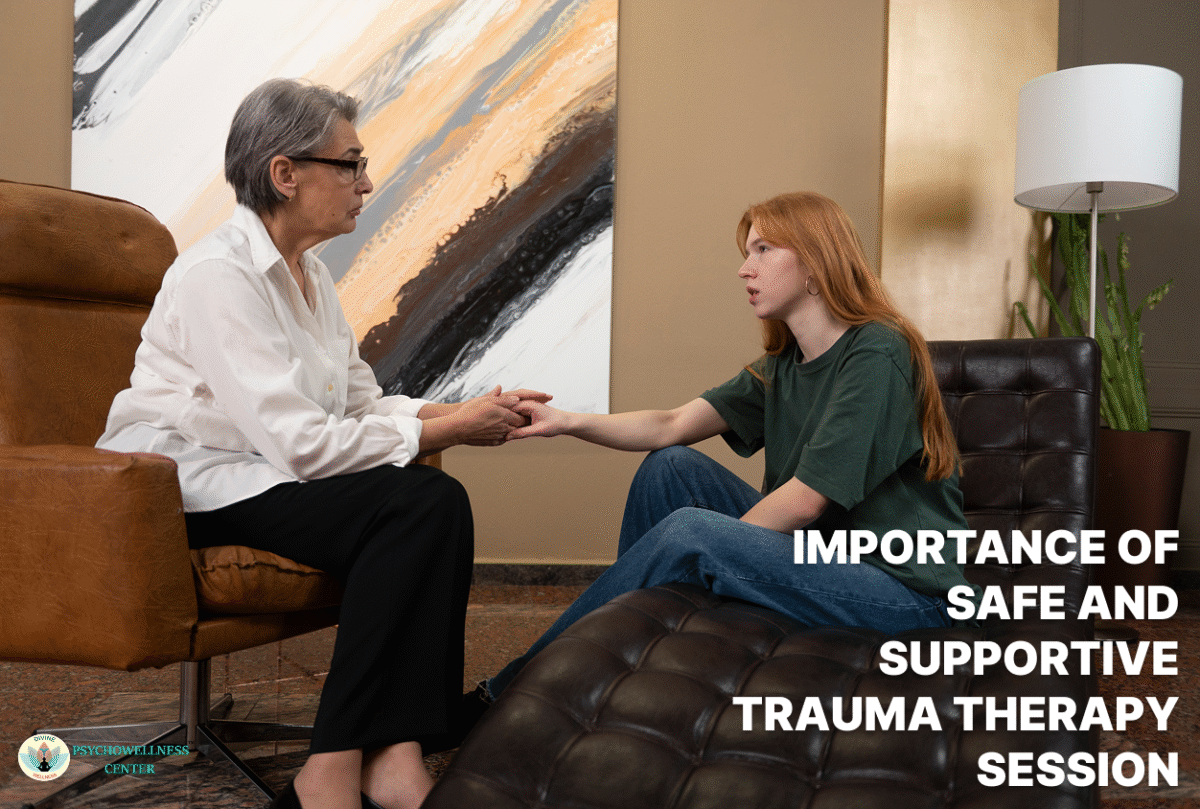
In recent years, conversations around mental health have moved into mainstream discussions, with a growing emphasis on understanding the lasting impact of trauma. Trauma can stem from many experiences—childhood neglect, abuse, accidents, loss, violence, or witnessing distressing events—and it leaves psychological imprints that often remain hidden. Overcoming trauma is a gradual process that calls for empathy, resilience, and the support of a skilled professional. At the heart of effective trauma recovery lies one essential factor: the creation of safe and supportive therapy sessions.
A safe and supportive therapeutic environment is not just a setting; it is the foundation upon which individuals can rebuild their sense of self, reclaim emotional stability, and regain trust in the world. This blog explores why creating such sessions is vital and how they empower survivors to heal at their own pace.
Understanding Trauma and Its Psychological Impact
Trauma is not defined solely by the event itself but by how the mind and body respond to it. For many individuals, traumatic experiences trigger overwhelming emotions such as fear, shame, guilt, or helplessness. The nervous system may remain in a hyper-alert state, making it difficult for the survivor to relax, concentrate, or trust others. Over time, untreated trauma can manifest as anxiety disorders, depression, post-traumatic stress disorder (PTSD), or difficulties in personal relationships.
When the mind feels vulnerable, the idea of starting therapy can seem overwhelming. Survivors may fear being judged, misunderstood, or re-traumatized. This is why safety and support during therapy are non-negotiable; they allow the client to feel seen, heard, and validated.
Why Safety Matters in Trauma Therapy
- Building Trust:-Trauma often leaves one of its deepest scars by weakening or shattering the ability to trust. Survivors often feel betrayed—by others, by systems, or even by themselves. A safe therapeutic environment is designed to rebuild this lost trust. Therapists who demonstrate empathy, maintain confidentiality, and avoid judgment provide the assurance that the therapy room is a secure space where the client’s voice matters.
- Preventing Re-traumatization:-Without safety, therapy can unintentionally re-traumatize clients by pushing them to recall painful events before they are ready. Safe and supportive sessions respect pacing. Instead of forcing clients to relive traumatic memories, therapists guide them gently, ensuring coping mechanisms are in place before exploring deeper wounds.
- Creating Emotional Stability:-Safety allows clients to gradually face their fears without being overwhelmed. A therapist’s calm presence, validation, and grounding techniques help individuals regulate their emotions, reducing the intensity of flashbacks, anxiety, or panic attacks. Emotional stability is the cornerstone for long-term healing.
The Role of Support in Trauma Therapy
Safety provides the structure, but support fills it with warmth. Supportive trauma therapy sessions ensure clients do not feel isolated in their healing journey.
- Validation of Experiences:-Many survivors struggle with self-doubt, wondering if their trauma “really counts.” A supportive therapist validates these experiences, affirming that the client’s pain is real and worthy of care. This validation reduces shame and fosters self-compassion.
- Empowering Choice and Control:-Trauma often involves a loss of control. Supportive therapy restores autonomy by giving clients the freedom to choose how much they want to share, when to pause, and what goals to prioritize. Empowerment is central to reclaiming agency over one’s life.
- Encouragement and Strength-Building:-Healing is not linear—there are setbacks, relapses, and difficult days. Supportive therapists remind clients of their strengths, celebrate small victories, and provide encouragement to persist. This consistent reinforcement helps survivors maintain hope and resilience.
Elements of a Safe and Supportive Trauma Therapy Session
Creating such an environment requires intention, empathy, and professional expertise. Some essential elements include:
- Confidentiality and Boundaries: Assuring clients that their stories are private fosters trust. Respecting boundaries around touch, topics, and session pacing ensures emotional security.
- Grounding Techniques: Therapists often teach grounding exercises like deep breathing, mindfulness, or sensory awareness to help clients manage distress during sessions.
- Non-Judgmental Listening: Survivors must feel free to share without fear of criticism. Active listening communicates that their story is valid.
- Cultural Sensitivity: Safe sessions acknowledge and respect clients’ cultural backgrounds, values, and unique contexts.
- Collaborative Approach: Clients and therapists work together to set goals and decide therapeutic strategies, reinforcing empowerment.
Benefits of Safe and Supportive Trauma Therapy
When therapy is conducted in a safe and supportive manner, the results can be transformative:
- Reduced PTSD Symptoms: Clients may experience fewer flashbacks, nightmares, and intrusive thoughts.
- Improved Emotional Control: Survivors gain tools to manage overwhelming emotions, leading to calmer daily functioning.
- Rebuilding Relationships: As trust grows in therapy, clients often find it easier to reconnect with family, friends, and colleagues.
- Strengthened Self-Esteem: Validation and empowerment help individuals overcome feelings of worthlessness and develop a stronger self-image.
- Long-Term Resilience: Safe sessions lay the foundation for coping strategies that last a lifetime, enabling clients to face future challenges with confidence.
Conclusion
Trauma leaves deep scars, but healing is possible when therapy provides both safety and support. A trauma therapy session is more than a conversation—it is a space where survivors learn to rebuild trust, reclaim control, and discover resilience. Safety prevents re-traumatization, while support nurtures hope, validation, and empowerment. Together, they form the bedrock of true healing.
Every individual deserves a therapeutic environment where their story is honored and their healing is prioritized. In such spaces, survivors find not only recovery but also the strength to create meaningful futures. Safe and supportive trauma therapy sessions remind us that while trauma shapes the past, it does not have to define the future.
Finding the right support system is often the turning point in trauma recovery. Beyond personal resilience, professional guidance in a safe and structured setting allows survivors to process their experiences without fear of judgment. The Psychowellness Center, with branches in Dwarka Sector-17 and Janakpuri (011-47039812 / 7827208707), provides trauma-informed therapy that prioritizes safety, validation, and emotional stability. Their team of top psychologists in India helps individuals rebuild trust and strengthen coping strategies at a pace that feels right for them. For those who prefer the flexibility of online sessions, TalktoAngel, a leading online counseling platform, offers access to licensed therapists who create the same supportive environment from the comfort of home. Together, these services ensure that trauma survivors have access to consistent, compassionate care—empowering them to heal, regain control, and step into a future defined not by trauma, but by resilience and growth.
This article is enriched with insights from Dr. R.K. Suri, Clinical Psychologist, and Ms. Tanu Sangwan, Counselling Psychologist.
References
Herman, J. L. (2015). Trauma and recovery: The aftermath of violence—from domestic abuse to political terror. Basic Books.
van der Kolk, B. A. (2014). The body keeps the score: Brain, mind, and body in the healing of trauma. Viking.
Courtois, C. A., & Ford, J. D. (2013). Treatment of complex trauma: A sequenced, relationship-based approach. Guilford Press.
American Psychological Association. (2022). Trauma. https://www.apa.org/topics/trauma
Cloitre, M., Cohen, L. R., & Koenen, K. C. (2011). Treating survivors of childhood abuse: Psychotherapy for the interrupted life. Guilford Press.
https://www.psychowellnesscenter.com/Blog/understanding-ptsd-and-the-path-to-healing/
https://www.psychowellnesscenter.com/Blog/how-to-cope-with-posttraumatic-stress-disorder/