
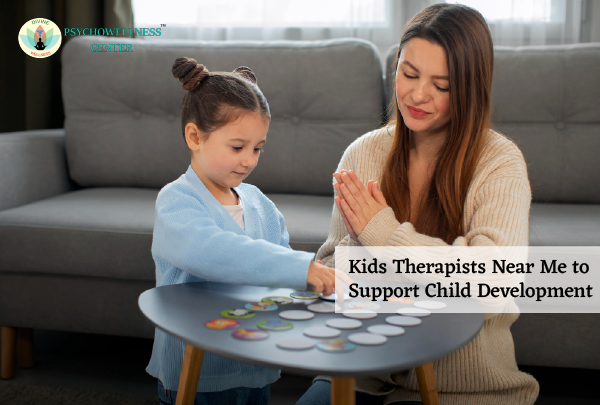
Child development involves continuous growth across emotional, social, cognitive, and behavioural domains. While many children progress naturally through developmental stages, some may require additional support to manage challenges related to learning, behaviour, communication, or emotional control. Early recognition and timely intervention can make a significant difference in how children adapt and thrive.
Therapy for children is not limited to addressing problems. It is a structured and supportive process that helps children build skills, improve resilience, and navigate their environment more effectively. It also equips parents with practical strategies to support their child’s development at home.
Understanding Child Development
Development in childhood occurs across multiple interconnected areas. Cognitive development involves thinking, learning, and problem-solving. Emotional development includes recognising and managing feelings. Social development focuses on relationships, communication, and interaction with others.
When difficulties arise in one area, they often influence others. For example, challenges in communication can affect social interaction, while emotional distress may impact learning and behaviour. A comprehensive approach to development considers the child as a whole rather than focusing on isolated concerns.
Signs a Child May Benefit from Therapy
Children may not always express their difficulties verbally. Instead, concerns often appear through behaviour, emotional responses, or changes in routine. These may include frequent tantrums, withdrawal, difficulty focusing, academic struggles, sleep disturbances, or challenges in social interaction.
Some children may show delays in speech or motor skills, while others may experience anxiety, low confidence, or difficulty adapting to change. Persistent or worsening patterns are indicators that professional support may be beneficial.
Early intervention helps address these concerns before they become more complex or deeply ingrained.
Types of Therapy for Children
Different therapeutic approaches are used depending on the child’s needs. Play therapy is commonly used for younger children, allowing them to express emotions and experiences through structured play. This approach is effective because children often communicate more easily through actions than words.
Cognitive and behavioural therapies are used to address emotional regulation, anxiety, and behavioural issues. These approaches help children develop coping strategies, problem-solving skills, and healthier ways of responding to situations.
Speech therapy supports communication development, while occupational therapy focuses on sensory processing, motor skills, and daily functioning. In many cases, a combination of therapies provides the most effective support.
The Role of a Child Therapist
A child psychologist works to understand the child’s experiences, behaviours, and emotional needs within their developmental context. Sessions are adapted to suit the child’s age, personality, and comfort level.
Therapists use structured techniques to help children identify emotions, express themselves, and develop coping strategies. They also collaborate with parents and, when necessary, schools to ensure consistency in support.
The goal is to create a safe and engaging environment where children can explore, learn, and grow.
Supporting Emotional Regulation
Emotional regulation is a key aspect of development. Children who struggle to manage their emotions may react with anger, withdrawal, or anxiety. Therapy helps children recognise their feelings and respond to them in more adaptive ways.
Through guided activities and techniques, children learn skills such as calming strategies, emotional expression, and problem-solving. These skills contribute to better relationships and improved functioning in daily life.
Enhancing Social Skills
Social development involves understanding social cues, communicating effectively, and building relationships. Some children may find it difficult to initiate interactions, maintain conversations, or interpret others’ emotions.
Therapy provides opportunities to practise these skills in a structured setting. Role-playing, ABA therapy, group therapy, and guided interactions help children build confidence and improve their ability to connect with others.
Strengthening Parent Involvement
Parental involvement is essential in child therapy. Therapists often work closely with parents to provide guidance on supporting development at home. This may include behaviour management strategies, communication techniques, and ways to reinforce skills learned in therapy.
Consistency between therapy sessions and home environments enhances the effectiveness of intervention. It also helps parents feel more confident in managing challenges.
Addressing Developmental Delays
Some children may experience delays in areas such as speech, motor skills, or learning. Early therapeutic intervention can help bridge these gaps and support developmental progress.
Targeted strategies are used to build specific skills while also addressing broader developmental needs. This integrated approach supports overall growth rather than focusing on isolated deficits.
Creating a Supportive Environment
A child’s environment plays a significant role in development. Therapy helps identify environmental factors that may be influencing behaviour or emotional well-being. Adjustments at home or school can support more positive outcomes.
A collaborative approach involving therapists, parents, and educators ensures that the child receives consistent and effective support across different settings.
When to Seek Professional Support
Parents should consider seeking professional guidance if they notice persistent behavioural, emotional, or developmental concerns. Early consultation can provide clarity, reassurance, and direction.
Even when concerns are mild, guidance from a professional can support healthy development and prevent future difficulties. Timely intervention is often more effective than waiting for challenges to resolve independently.
Conclusion
Child development is a dynamic process that may, at times, benefit from structured support. Therapeutic interventions help children build essential skills, regulate emotions, and engage more effectively in social environments through speech therapy and activities for kids recommended by an occupational therapist. With early intervention and consistent guidance, children can develop resilience and confidence that support long-term well-being.
Parents considering support options such as Autism therapy near me, a child psychologist near me, child therapist near me, child psychiatrist near me, or seeking guidance from best Child psychologist in Delhi NCR and top psychologists in Delhi may find it helpful to consult professionals at Psychowellness Center. With centres located in Janakpuri and Dwarka Sec-17, Delhi, services are provided through a structured and child-focused approach; appointments can be scheduled on contact: 011-47039812 or 7827208707.
Additionally, Talktoangel offers a reliable online counseling platform connecting families with qualified professionals, ensuring accessible support for a child’s developmental needs.
Contributions: Dr. R.K. Suri, Clinical Psychologist, and Ms. Charavi Shah, Counselling Psychologist
References
- American Psychiatric Association. (2022). Diagnostic and statistical manual of mental disorders (5th ed., text rev.; DSM-5-TR). American Psychiatric Publishing.
- Bronfenbrenner, U., & Morris, P. A. (2006). The bioecological model of human development. In R. M. Lerner (Ed.), Handbook of child psychology: Vol. 1. Theoretical models of human development (6th ed., pp. 793–828). Wiley.
- Ginsburg, K. R. (2007). The importance of play in promoting healthy child development and maintaining strong parent-child bonds. Pediatrics, 119(1), 182–191. https://doi.org/10.1542/peds.2006-2697
- Mash, E. J., & Barkley, R. A. (2014). Child psychopathology (3rd ed.). Guilford Press.
- Shonkoff, J. P., & Phillips, D. A. (Eds.). (2000). From neurons to neighborhoods: The science of early child development. National Academy Press.
- https://www.psychowellnesscenter.com/Blog/speech-delays-and-developmental-delays-when-to-seek-therapy/
- https://www.psychowellnesscenter.com/Blog/supporting-child-growth-through-child-counselling-near-me/
- https://www.psychowellnesscenter.com/Blog/signs-of-social-emotional-delays-in-children/
- https://www.psychowellnesscenter.com/Blog/temper-tantrums-vs-emotional-dysregulation-in-children/