
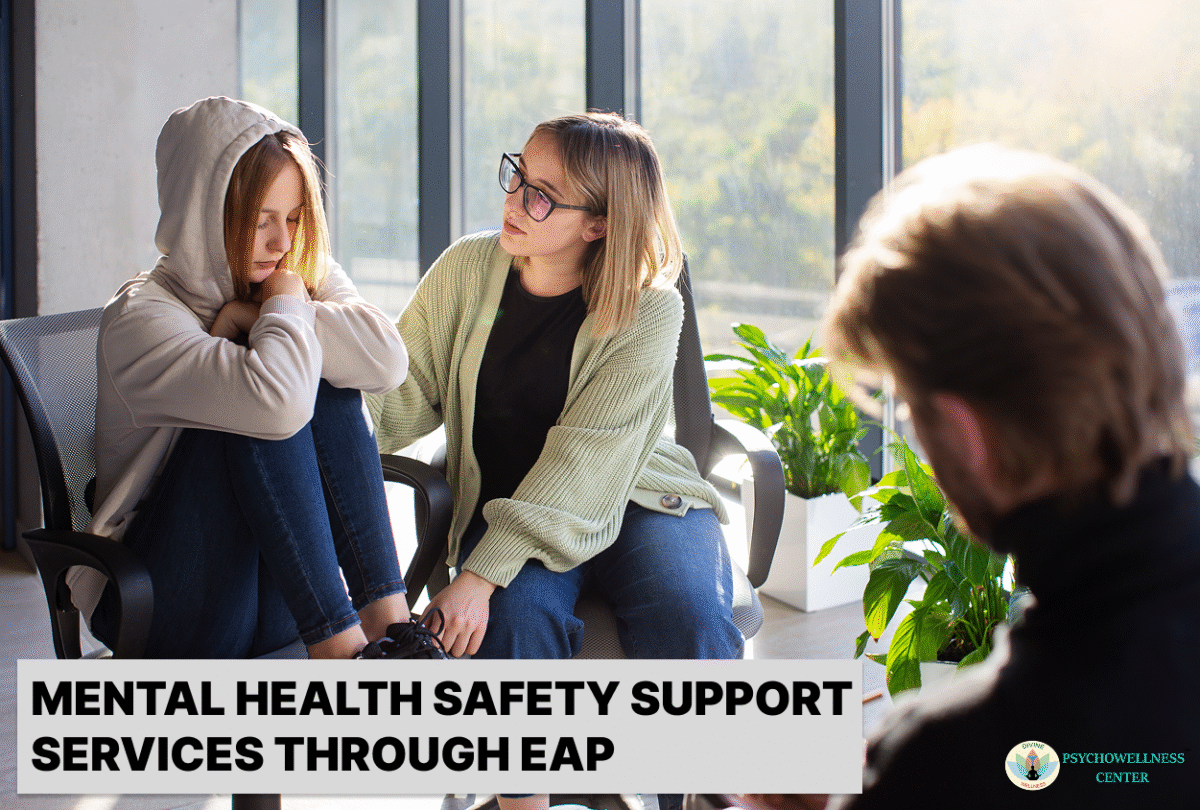
In the evolving landscape of workplace dynamics, the mental health of employees has emerged as a central pillar of organisational success. Gone are the days when emotional challenges were seen as personal issues. Today, more organisations are recognising the need for proactive psychological support, and that’s where Employee Assistance Programs (EAP) play a transformative role.
EAPs are employer-sponsored programs designed to assist employees in resolving personal and work-related challenges that may adversely affect their job performance, health, and emotional well-being. In an age marked by rising stress, burnout, anxiety, and depression, EAPs serve as an essential safety net for both individual and organisational health.
This blog explores the importance of mental health safety support through EAPs, the psychological principles behind their effectiveness, and how platforms like TalktoAngel and Psychowellness Centre are delivering impactful services in this space.
Why EAPs Matter: A Psychological Perspective
From a psychological standpoint, EAPs are more than just benefits—they’re preventive mental health interventions rooted in key theories of occupational stress, cognitive-behavioural support, and resilience building.
- Reducing Occupational Stress:-Workplace stress is often linked to role ambiguity, job insecurity, poor interpersonal relationships, and unrealistic performance expectations. According to the Demand-Control Model of Job Stress (Karasek, 1979), high job demands paired with low control contribute to poor mental health outcomes. EAPs offer early access to psychological support, helping employees manage stress before it escalates into burnout or clinical disorders.
- Enhancing Emotional Regulation: EAP counselling sessions often incorporate elements from Cognitive Behavioural Therapy (CBT), focusing on thought restructuring and emotional regulation. Employees learn to recognise and reframe cognitive distortions, manage emotional reactivity, and develop coping strategies for both professional and personal challenges.
- Promoting Psychological Safety:-Organisations with strong EAP frameworks foster a culture of psychological safety—a concept where individuals feel secure to express concerns, admit mistakes, and seek help without fear of judgment.
Key Services Provided Under EAP Mental Health Support
- Confidential Counselling: One-on-one sessions with trained psychologists to address issues like stress, anxiety, grief, relationship conflict, and substance abuse.
- Crisis Intervention: Immediate support during acute mental health crises, such as suicidal ideation or traumatic incidents at work.
- Work-Life Balance Coaching: Guidance on managing personal responsibilities, parenting, or elder care while maintaining professional effectiveness.
- Training and Workshops: Psychoeducational sessions on topics like emotional intelligence, stress management, conflict resolution, and mindfulness.
- Managerial Support: Coaching for leaders on how to identify signs of mental distress among team members and foster inclusive environments.
TalktoAngel’s EAP Services: Accessible, Confidential, and Impactful
TalktoAngel, a leading mental health platform, has developed a robust EAP offering tailored to both SMEs and large enterprises. Their services are delivered via a secure, digital platform that ensures complete confidentiality, accessibility, and convenience.
Key Features of TalktoAngel’s EAP:
- 24/7 Online Counselling Support: Employees can book sessions with qualified psychologists at any time, eliminating delays in accessing care.
- Multilingual Services: Support in multiple languages ensures inclusivity and cultural sensitivity.
- Customizable Plans: Organisations can tailor the EAP package based on the size and specific mental health needs of their workforce.
- Data-Driven Insights: Anonymous usage reports help HR leaders understand prevalent issues and improve their mental health policies.
- Workshops and Webinars: Experts lead interactive sessions that de-stigmatise mental health and foster an open culture.
TalktoAngel EAP service stands out for its client-centric approach, making mental health care not just a checkbox but a sustainable pillar of organisational well-being.
The Role of Offline Support: Psychowellness Centre
While digital accessibility is crucial, some individuals prefer in-person therapy for its immediacy and connection. The Psychowellness Centre offers offline counselling services delivered by licensed clinical psychologists and psychotherapists in a safe, nurturing environment.
The centre supports various concerns, including:
- Workplace anxiety and performance pressure
- Depression and emotional dysregulation
- Relationship and family issues
- Trauma and post-crisis recovery
By collaborating with organisations, PsychoWellness Centre also conducts on-site wellness programs, providing employees with psychological first aid and mental health education.
Breaking the Stigma: The Psychology Behind Help-Seeking Behaviour
According to psychological research, individuals often avoid seeking help due to internalised shame, fear of being judged, or perceived career risks.When leadership actively promotes EAPs, attends mental health workshops, and speaks openly about emotional well-being, it encourages a culture of vulnerability and support.
Conclusion
The Psychowellness Center, located in Dwarka Sector-17 (011-47039812 / 7827208707) and Janakpuri (011-47039812 / 7827208707), offers specialised mental health safety support services through EAP (Employee Assistance Programs), including stress management therapy, workplace counselling, resilience training, and mindfulness-based interventions. Their team of mental health professionals uses evidence-based approaches such as Cognitive Behavioural Therapy (CBT) to challenge unhelpful thought patterns, Mindfulness-Based Stress Reduction (MBSR) to improve focus and calm, and Solution-Focused Therapy to build practical coping strategies for immediate concerns.
Additionally, online platforms like TalktoAngel make therapy more accessible, allowing employees to seek support conveniently, confidentially, and without stigma. By integrating these services into corporate wellness programs, organisations create a stronger psychological safety net that not only addresses employee stress but also enhances resilience, productivity, and long-term engagement.
Through well-structured EAP services, organisations can support employees in navigating stress, resolving personal or work-related challenges, and maintaining emotional well-being. These services are grounded in evidence-based psychology and deliver measurable outcomes, such as improved morale, reduced absenteeism, and increased workplace satisfaction.
If your organisation hasn’t yet adopted a comprehensive EAP, now is the time. For accessible, confidential, and culturally competent care, TalktoAngel’s EAP service is a trusted partner offering both individual counselling and organisational mental health solutions. And for those who prefer in-person sessions, offline counselling at PsychoWellness Centre offers expert care rooted in clinical excellence.
Expert contributions from Dr. R.K. Suri, Clinical Psychologist, and Counselling Psychologist Ms. Mansi bring depth to this discussion on mental health.
References
Karasek, R. A. (1979). Job demands, job decision latitude, and mental strain: Implications for job redesign. Administrative Science Quarterly, 24(2), 285–308. https://doi.org/10.2307/2392498
Corrigan, P. W. (2004). How stigma interferes with mental health care. American Psychologist, 59(7), 614–625. https://doi.org/10.1037/0003-066X.59.7.614
Bakker, A. B., & Demerouti, E. (2007). The Job Demands‐Resources model: State of the art. Journal of Managerial Psychology, 22(3), 309–328. https://doi.org/10.1108/02683940710733115