
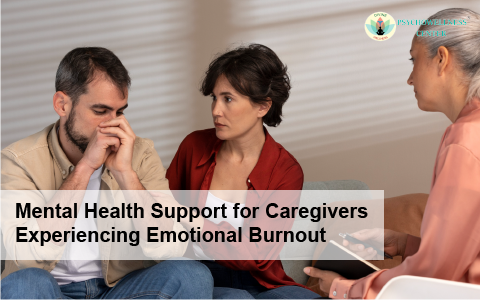
Caring for a loved one can be deeply rewarding, offering a sense of purpose and emotional connection, but it often comes with the risk of emotional and physical burnout. Many caregivers juggle full-time jobs, household responsibilities, and ongoing caregiving duties, leaving little time for rest or self-care. Over time, this constant pressure can lead to exhaustion, stress, and feelings of being overwhelmed or isolated. Recognising the early signs of burnout—such as fatigue, irritability, or loss of motivation—is crucial. Seeking professional mental health support, building a support network, and taking regular breaks can help caregivers maintain balance, resilience, and overall well-being.
Understanding Emotional Burnout
Emotional burnout can manifest in several ways, including persistent stress, irritability, and difficulty managing daily tasks or maintaining a consistent routine. Caregivers may feel an ongoing sense of emotional strain, often experiencing loneliness despite being surrounded by family members or loved ones. They may also struggle to control anger or frustration when minor issues accumulate over time, leading to emotional outbursts or withdrawal. As these pressures build, individuals may find it increasingly difficult to stay positive or engaged in daily life. Over time, these feelings can contribute to low motivation, decreased concentration, and a sense of helplessness, making even simple responsibilities feel overwhelming and exhausting to complete.
Burnout also affects both physical and emotional well-being, potentially leading to fatigue, sleep disturbances, headaches, and a weakened immune response. It can also create a sense of grief and loss related to personal time, independence, and the ability to enjoy life’s simple pleasures. Without timely intervention and adequate support, these ongoing challenges can significantly impact work performance, strain relationships with family and friends, and reduce overall life satisfaction, emotional stability, and long-term mental health.
Causes of Caregiver Burnout
Several factors contribute to caregiver fatigue:
- Continuous emotional and physical strain from caregiving responsibilities
- Limited social or family support
- Conflicts between caregiving duties and workplace stress
- Witnessing a loved one suffering from chronic illness or mental health issues
- Balancing multiple priorities, which may strain relationships
Understanding the sources of burnout allows caregivers to develop strategies to manage stress before it becomes unmanageable.
The Importance of Mental Health Support
Professional support can help caregivers maintain their well-being while providing effective care. A qualified psychologist in Delhi or a counsellor near me can assist caregivers in:
- Identifying signs of burnout and emotional exhaustion
- Developing coping strategies for stress and anger
- Improving self-esteem and emotional resilience
- Navigating grief and loss associated with caregiving challenges
- Balancing caregiving with personal life and self-improvement goals
Early intervention prevents prolonged emotional strain and enhances caregivers’ capacity to provide compassionate care.
Strategies to Prevent Emotional Burnout
Caregivers can adopt several practical strategies to prevent or manage burnout:
- Mindfulness Practices:- Incorporating mindfulness into daily life can help caregivers remain present, reduce anxiety, and regulate emotions effectively. Techniques such as meditation, mindful breathing, or simply observing the present moment can enhance emotional resilience.
- Setting Healthy Boundaries:- Establishing limits around caregiving responsibilities prevents overcommitment. Delegating tasks and saying no when necessary ensures that caregivers protect their energy and focus on self-improvement.
- Social Connection:- Maintaining friendships or joining support groups can reduce loneliness. Interacting with peers in similar situations offers both emotional reassurance and practical guidance.
- Professional Therapy:- Therapies such as cognitive behavioural therapy (CBT) provided by a counselling psychologist in Delhi can help caregivers manage emotional strain, low motivation, and stress effectively.
- Lifestyle Adjustments:- A balanced diet, regular physical activity, and sufficient sleep support both mental and physical health, helping caregivers sustain their energy and maintain resilience.
Recognising When to Seek Help
Caregivers should consult a mental health professional if they experience:
- Persistent depression or hopelessness
- Inability to manage anger
- Withdrawal from social interactions or friends
- Emotional exhaustion affecting daily functioning
Seeking help early ensures caregivers can maintain their health and provide quality care without burning out.
Long-Term Benefits of Support
With proper mental health guidance, caregivers can experience:
- Improved self-esteem and confidence in their caregiving role
- Reduced stress and emotional fatigue
- Stronger relationships and family dynamics
- Increased ability to pursue personal goals and hobbies
- Greater resilience to handle ongoing caregiving responsibilities
Long-term support enables caregivers to balance their responsibilities while maintaining emotional and physical well-being.
Conclusion
Caregiving can be emotionally taxing, and emotional burnout is a common challenge for adults in this role. Seeking guidance from a best psychologist near me or a counsellor near me helps caregivers develop coping strategies, manage stress, and improve self-esteem. To further support mental wellness, Psychowellness Center also shares informative YouTube content on mindfulness, providing practical strategies for staying present, reducing anxiety, and cultivating resilience. Combining mindfulness with professional guidance allows caregivers to sustain low motivation, regulate emotions, and maintain long-term well-being.
Psychowellness Center (011-47039812 or 7827208707) provides access to some of the best psychologists in Delhi, including experienced psychologists in Delhi and psychologists in Delhi NCR. With professional support, caregivers can harness their strengths, navigate challenges, and cultivate emotional well-being, leading to a more fulfilling and balanced life.
Contribution: Dr. R.K. Suri, Clinical Psychologist, and Ms. Mansi, Counselling Psychologist
Reference
- Maslach, C., & Leiter, M. P. (2016). Burnout: A multidimensional perspective. Routledge.
- Kabat-Zinn, J. (2013). Full catastrophe living: Using the wisdom of your body and mind to face stress, pain, and illness (Revised edition). Bantam Books.
- Schulz, R., & Sherwood, P. R. (2008). Physical and mental health effects of family caregiving. American Journal of Nursing, 108(9 Suppl), 23–27. https://doi.org/10.1097/01.NAJ.0000336406.45248.4c