
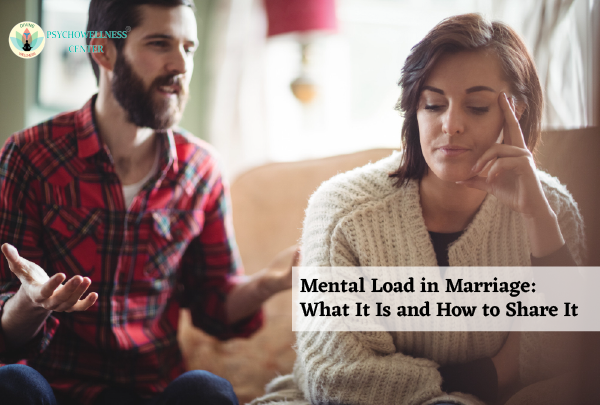
Marriage is often seen as a partnership where both individuals share responsibilities, emotional support, and life decisions. However, in many relationships, one partner may carry an invisible burden known as the mental load. Mental load refers to the ongoing responsibility of planning, organizing, remembering, and managing daily tasks and emotional needs within a household or relationship. While these responsibilities may not always be visible, they can significantly affect a person’s emotional well-being and the overall health of the marriage.
Understanding mental load in marriage is an important step toward building a more balanced, supportive, and fulfilling relationship. When couples learn to recognize and share this invisible responsibility, they can strengthen their connection, reduce stress, and create a more harmonious family environment.
What Is Mental Load in Marriage?
Mental load refers to the cognitive and emotional effort required to manage daily life tasks, family needs, and relationship responsibilities. It involves thinking ahead, anticipating problems, making plans, and ensuring that everything runs smoothly in the household.
For example, one partner may not only cook dinner but also think about what groceries are needed, plan meals for the week, remember family events, manage children’s schedules, and coordinate household tasks. Even when both partners contribute to physical tasks, the responsibility of remembering and organizing them often falls on one person.
This invisible work can become overwhelming over time, especially when it goes unrecognized. The partner carrying the mental load may feel exhausted, underappreciated, or emotionally drained, which can eventually affect communication and satisfaction in the marriage.
Signs That Mental Load Is Affecting Your Marriage
Mental load can manifest in several ways within a relationship. One common sign is when one partner constantly feels responsible for planning and organizing most aspects of family life. They may be the one remembering appointments, paying bills, managing children’s needs, and keeping track of household responsibilities.
Another sign is emotional exhaustion. The partner carrying the mental load may feel mentally overwhelmed even if they are not physically busy. This constant mental planning can lead to stress, irritability, or resentment toward the other partner.
Communication difficulties may also arise when the imbalance becomes noticeable. The overloaded partner may feel that their efforts are not acknowledged, while the other partner may not fully understand the extent of the invisible work being done. Over time, this imbalance can create tension and misunderstandings within the marriage.
Why Mental Load Often Becomes Unequal
Several social and psychological factors contribute to unequal mental load in marriages. Traditional gender roles and societal expectations sometimes lead one partner, often women, to take on more responsibility for managing the home and family life.
Another factor is habit. When one partner naturally starts organizing tasks or remembering responsibilities, the other partner may become accustomed to relying on them. Over time, this dynamic can create an imbalance where one person carries most of the mental responsibility.
Lack of communication can also contribute to the problem. If couples do not openly discuss how responsibilities are managed, the mental load may remain invisible and unaddressed. Recognizing and discussing these patterns is the first step toward creating a healthier balance.
Emotional Impact of Mental Load
Carrying a heavy mental load can affect both personal well-being and relationship satisfaction. The partner managing most responsibilities may experience chronic stress, anxiety, intimacy issues, depression, trauma, PTSD, fatigue, and feelings of being overwhelmed. When their efforts go unnoticed, it can lead to frustration or emotional distance within the marriage.
At the same time, the other partner may feel confused or defensive if they are suddenly confronted about responsibilities they did not realize existed. Without open communication, both partners may feel misunderstood.
Addressing mental load is therefore not about blaming one partner but about creating awareness and building teamwork within the relationship.
How Couples Can Share the Mental Load
Sharing mental load in marriage requires conscious effort, communication, and mutual understanding. The first step is acknowledging that mental load exists and recognizing the invisible work involved in managing daily life.
Open conversations about responsibilities can help couples understand how tasks are distributed. Partners can discuss which tasks they manage, how much planning is involved, and how responsibilities can be shared more evenly.
Creating a system for organizing tasks can also help reduce mental stress. Couples may use shared calendars, digital reminders, or weekly planning discussions to ensure both partners are aware of upcoming responsibilities.
Another effective approach is dividing responsibilities rather than individual tasks. For example, instead of helping occasionally with children’s school activities, one partner might take full responsibility for managing school-related tasks, including communication with teachers and scheduling events. This reduces the mental burden of constantly delegating tasks.
Appreciation and acknowledgment also play an important role. Recognizing each other’s efforts strengthens emotional connection and encourages both partners to contribute actively to maintaining balance.
The Role of Communication in Reducing Mental Load
Healthy communication is essential for managing mental load in marriage. Couples who openly discuss expectations and responsibilities are more likely to create balanced partnerships.
Active listening is particularly important during these conversations. Each partner should have the opportunity to express their experiences and concerns without feeling criticized. Instead of focusing on blame, discussions should focus on finding practical solutions that benefit both partners.
Regular check-ins can help couples adjust responsibilities as life circumstances change. For example, career demands, parenting responsibilities, or health concerns may require temporary shifts in how tasks are shared.
When couples approach mental load as a shared responsibility rather than an individual burden, they build a stronger sense of teamwork and partnership.
Professional Support for Couples
Sometimes, mental load issues become deeply rooted in relationship patterns, making it difficult for couples to address them on their own. In such cases, professional Best couple counselors near me can help partners understand each other’s perspectives and develop healthier communication strategies.
Relationship counselling and marriage counselling provide a safe and supportive environment where couples can explore underlying expectations, emotional needs, and patterns of responsibility. Best marriage counselors near me, help couples identify imbalances and create practical strategies for sharing responsibilities more effectively.
Through guided conversations and structured interventions, couples can rebuild understanding, improve communication, and strengthen their emotional connection.
Conclusion
Mental load in marriage is often invisible, yet it can have a profound impact on emotional well-being and relationship satisfaction. When one partner carries the majority of planning, organizing, and emotional responsibility, it can lead to stress, frustration, and imbalance within the relationship.
Recognizing mental load and discussing it openly allows couples to develop a more equitable partnership. By sharing responsibilities, improving communication, and supporting each other’s efforts, couples can create a healthier and more balanced relationship dynamic.
Marriage thrives when both partners feel valued, supported, and understood. When mental load is shared rather than carried alone, it strengthens not only the functioning of the household but also the emotional bond between partners.
Contribution: Dr. R.K. Suri, Clinical Psychologist, and Ms. Sakshi Dhankhar, Counselling Psychologist
References
https://www.psychowellnesscenter.com/Blog/tips-to-cope-with-frustration-in-your-marriage/
https://www.psychowellnesscenter.com/Blog/ways-to-restore-power-balance-in-relationship/
https://www.psychowellnesscenter.com/Blog/how-to-handle-stressful-marriage/
https://www.psychowellnesscenter.com/Blog/ways-to-support-a-depressed-partner/
https://www.psychowellnesscenter.com/Blog/what-to-expect-from-marriage-counselling/
American Psychological Association. (2023). Stress in relationships. https://www.apa.org
Daminger, A. (2019). The cognitive dimension of household labor. American Sociological Review, 84(4), 609–633. https://doi.org/10.1177/0003122419859007
Gottman, J. M., & Gottman, J. S. (2017). The seven principles for making marriage work (Revised ed.). Harmony Books.
Offer, S. (2014). The costs of thinking about work and family: Mental labor, work–family spillover, and gender inequality among parents in dual-earner families. Sociological Forum, 29(4), 916–936. https://doi.org/10.1111/socf.12126