
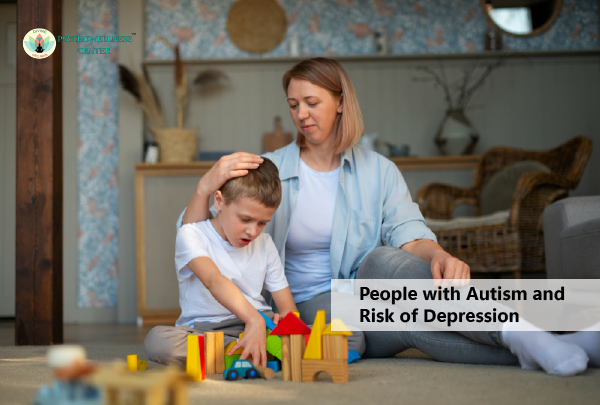
Mental health concerns among individuals with autism are increasingly gaining attention in both clinical and research settings. While autism itself is a neurodevelopmental condition, it often coexists with emotional challenges that can significantly impact quality of life. One of the most concerning among these is the heightened risk of depression. Understanding why individuals with autism are more vulnerable to depression is essential for early identification, effective support, and long-term well-being.
Understanding Autism and Emotional Well-being
Autism, or Autism Spectrum Disorder (ASD), is characterised by differences in communication, behaviour, and social interaction. Individuals may also experience developmental delay, particularly in language, social skills, or adaptive functioning. While autism is not a mental illness, the challenges associated with it—such as difficulty expressing emotions or forming connections—can increase vulnerability to mental health conditions. Many individuals with autism have average or above-average intelligence but struggle with emotional expression and understanding social cues, which can create barriers in daily life.
Why Are Individuals with Autism at Risk of Depression?
- Social Challenges and Isolation:- One of the most significant contributors to depression in individuals with autism is social isolation. Difficulty initiating or maintaining social interactions can lead to fewer friendships and limited support systems. Over time, this can result in feelings of loneliness, especially when individuals become aware of the gap between their social experiences and those of others.
- Co-occurring Anxiety:- Many individuals with autism also experience anxiety, particularly in unfamiliar or overstimulating environments. Constant worry, sensory sensitivities, and fear of social situations can be overwhelming. When anxiety persists without proper support, it can gradually contribute to depressive symptoms, creating a cycle that is difficult to break.
- Difficulty in Building Relationships:- Forming and maintaining a meaningful relationship can be challenging for individuals with autism due to differences in communication and emotional expression. Misunderstandings, rejection, or difficulty interpreting social cues may lead to frustration and emotional distress, further increasing the risk of depression.
- Low Self-Esteem and Self-Perception:- Repeated experiences of social difficulty or feeling “different” can negatively impact self-esteem. Individuals may begin to internalise negative beliefs about themselves, leading to feelings of inadequacy or hopelessness. This is particularly common during adolescence and adulthood, when social comparison becomes more prominent.
- Challenges in Emotional Regulation: Many individuals with autism find it difficult to manage and express emotions effectively. Problems with emotion control can lead to intense emotional responses, frustration, or withdrawal. When emotions are not understood or managed well, it can increase vulnerability to both anxiety and depression.
Recognising Signs of Depression in Autism
Depression in individuals with autism may not always appear in typical ways. Some signs to look for include:
- Increased withdrawal from activities or routines
- Changes in sleep or appetite
- Loss of interest in preferred activities
- Increased irritability or emotional outbursts
- Expressions of sadness or hopelessnes
Because communication styles may differ, it is important for caregivers, teachers, and professionals to observe behavioural changes carefully.
The Role of Support and Intervention
Early intervention and consistent support can significantly reduce the risk of depression in individuals with autism.
- Building Social Skills and Reducing Isolation:- Encouraging structured social interactions and supportive environments can help reduce feelings of isolation. Social skills training and group activities can create opportunities for connection.
- Promoting Emotional Awareness:- Helping individuals understand and label their emotions is an important step toward better emotional regulation. Techniques such as visual aids, role-playing, and structured communication can improve awareness.
- Encouraging Goal Setting:- Setting small, achievable goals can help individuals build confidence and a sense of accomplishment. Goal setting provides direction and motivation, which can counter feelings of helplessness.
- Strengthening Coping Strategies:- Teaching coping mechanisms such as relaxation techniques, structured routines, and problem-solving skills can help individuals manage stress and emotional challenges more effectively.
Importance of Professional Help
Professional support plays a crucial role in managing both autism and co-occurring depression. Psychologists and therapists can design individualized treatment plans based on specific needs. Working with the Best Psychologist in India can help individuals and families better understand emotional patterns, improve communication, and develop effective coping strategies.
Creating a Supportive Environment
Support from family, educators, and communities is essential in reducing the risk of depression. A supportive environment includes:
- Acceptance and understanding of individual differences
- Encouragement of strengths and interests
- Open communication without judgment
- Access to professional resources when needed
When individuals feel understood and supported, they are more likely to develop resilience and emotional stability.
Conclusion
Individuals with autism face unique challenges that can increase their vulnerability to depression. Factors such as social isolation, anxiety, difficulty in relationships, and low self-esteem all contribute to emotional struggles. However, with early identification, supportive environments, and professional intervention, these risks can be effectively managed. Promoting emotional awareness, building coping skills, and encouraging meaningful connections are key steps toward improving mental well-being. With the right support systems in place, individuals with autism can lead fulfilling, meaningful lives while maintaining emotional health and resilience. To learn more about managing mental health concerns in individuals with autism—including anxiety, depression, and emotional challenges—you can explore helpful resources from the Psychowellness Center. Recognised as a trusted psychologist in Delhi NCR and a leading provider of psychologist Delhi services, their experienced counselling psychologist team offers personalized guidance both in person at Dwarka and Janakpuri, New Delhi (Contact: 011-47039812 / 7827208707).
Professional counselling can help individuals cope with social isolation, reduce feelings of loneliness, improve emotional control, and address interpersonal difficulties. With the right support, individuals can enhance self-esteem, set meaningful goals, and move toward a more balanced and fulfilling life.
To learn more about emotional awareness and mental well-being, you can explore resources that focus on understanding patterns that influence thoughts, emotions, and daily functioning, including aspects related to Developmental Delays and Autism. The video also highlights the importance of recognising early signs of emotional distress and how they can impact overall well-being. With the right guidance, individuals can improve emotional balance and develop healthier coping strategies.
Contributions: Dr. R.K. Suri, Clinical Psychologist, and Ms. Mahima Mathur, Counselling Psychologist
REFERENCES
- Hudson, C. C., Hall, L., & Harkness, K. L. (2019). Prevalence of depressive disorders in individuals with autism spectrum disorder. Journal of Abnormal Child Psychology, 47(1), 165–175.
- Lai, M. C., Kassee, C., Besney, R., Bonato, S., Hull, L., Mandy, W., … & Ameis, S. H. (2019). Prevalence of co-occurring mental health diagnoses in the autism population. The Lancet Psychiatry, 6(10), 819–829.
- Mazefsky, C. A., & White, S. W. (2014). Emotion regulation: Concepts and practice in autism spectrum disorder. Child and Adolescent Psychiatric Clinics, 23(1), 15–24.
- White, S. W., Oswald, D., Ollendick, T., & Scahill, L. (2009). Anxiety in children and adolescents with autism spectrum disorders. Clinical Psychology Review, 29(3), 216–229.