
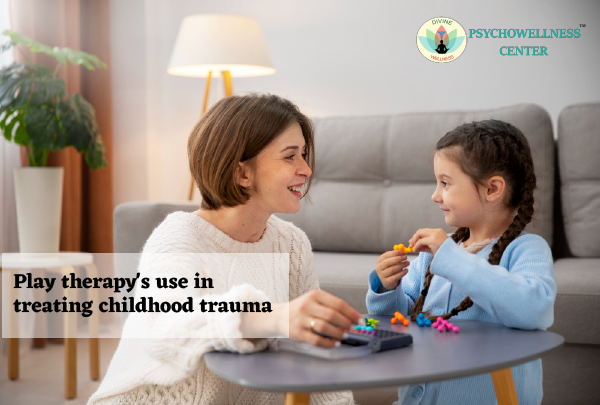
Childhood is supposed to be a period of growth, safety, and wonder. However, for many children, early experiences may include loss, abuse, neglect, bullying, medical trauma, parental conflict, or other distressing events. Unlike adults, children often do not have the vocabulary or emotional awareness to explain what they are feeling. Instead, their distress may appear through behaviour tantrums, withdrawal, aggression, sleep disturbances, clinginess, regression, or academic decline.
This is where Play therapy becomes a powerful and developmentally appropriate tool. Play therapy allows children to express, process, and heal from traumatic experiences in a language they naturally understand play.
Understanding Childhood Trauma
Trauma in childhood does not only refer to extreme events. It can include:
- Physical, emotional, or sexual abuse
- Neglect
- Loss of a loved one
- Parental separation or divorce
- Domestic violence exposure
- Bullying
- Medical procedures or chronic illness
- Accidents or natural disasters
When a child experiences trauma, their nervous system may remain in a state of heightened alert. They may become overly reactive, anxious, emotionally numb, or easily triggered. Because children lack mature coping mechanisms, trauma often surfaces through behaviour rather than words.
Without early intervention, unresolved childhood trauma can affect emotional regulation, attachment patterns, self-esteem, and even adult relationships.
Why Children Communicate Through Play
Play is not “just fun” for children, it is how they explore the world, test emotions, solve problems, and rehearse life experiences. Through toys, drawings, storytelling, and role-play, children symbolically express what they cannot articulate verbally.
For example:
- A child who feels powerless may repeatedly play out rescue scenarios.
- A child who experienced fear may create stories involving monsters or danger.
- A child dealing with separation anxiety may enact scenes of abandonment and reunion.
In play therapy, these symbolic expressions become pathways for emotional understanding and healing.
What Is Play Therapy?
Play therapy is a structured, evidence-based therapeutic approach typically used with children between the ages of 3 and 12. A trained therapist creates a safe and supportive environment equipped with carefully selected toys and materials such as:
- Dolls and figurines
- Art supplies
- Sand trays
- Puppets
- Building blocks
- Role-play costumes
- Board games
The therapist observes the child’s play themes, emotional expressions, and relational patterns while gently guiding the process toward emotional processing and resilience-building.
Play therapy can be non-directive (child-led) or directive (therapist-guided) depending on the child’s needs and therapeutic goals.
How Play Therapy Helps Heal Trauma
1. Provides a Safe Emotional Outlet
Trauma often creates feelings that feel overwhelming or frightening. In play therapy, children can safely express anger, fear, sadness, or confusion without judgment. The therapy room becomes a secure space where emotions are validated.
2. Restores a Sense of Control
Trauma frequently involves loss of control. During play therapy sessions, children make choices what to play, how to express themselves, and how stories unfold. This restores agency and empowerment.
3. Processes Traumatic Memories Indirectly
Direct questioning about traumatic events may feel intimidating for a child. Through symbolic play, children process distressing memories at their own pace. This indirect method reduces emotional overwhelm while promoting gradual healing.
4. Improves Emotional Regulation
Children who have experienced trauma may struggle with impulsivity, aggression, or emotional outbursts. Play therapy helps children identify emotions, label feelings, and practice healthier responses. Over time, self-regulation improves.
5. Strengthens Attachment and Trust
Trauma can disrupt a child’s sense of safety in relationships. A consistent, empathetic therapist helps rebuild trust. As the child experiences attuned responses, secure relational patterns begin to develop.
6. Reduces Anxiety and Behavioural Problems
Research shows that play therapy can significantly reduce symptoms of anxiety, depression, aggression, withdrawal, and post-traumatic stress in children. It promotes adaptive coping strategies and emotional resilience.
Signs a Child May Benefit from Play Therapy
Parents and caregivers should consider professional support if a child shows:
- Persistent nightmares or sleep problems
- Sudden aggression or defiance
- Withdrawal from friends or family
- Excessive clinginess
- Bedwetting after being toilet-trained
- Academic decline
- Frequent fears or panic-like reactions
- Repetitive trauma-themed play
Early intervention prevents emotional difficulties from becoming long-term psychological concerns.
The Role of Parents in the Healing Process
While play therapy focuses on the child, parental involvement is crucial. Therapists often conduct parent sessions to:
- Provide psychoeducation about trauma
- Teach supportive communication skills
- Offer behavioural guidance
- Strengthen parent-child bonding
When caregivers respond with understanding rather than punishment, healing accelerates.
The Neurobiological Impact of Play Therapy
Trauma affects brain areas responsible for emotion regulation, memory, and threat detection. Play therapy supports nervous system regulation by:
- Encouraging safe emotional expression
- Reducing hyperarousal
- Enhancing cognitive processing
- Building new neural pathways associated with safety and trust
Through repetitive positive relational experiences, the child’s brain gradually shifts from survival mode toward growth and learning.
Long-Term Benefits of Play Therapy
Healing childhood trauma through play therapy can lead to:
- Improved emotional intelligence
- Better peer relationships
- Higher self-esteem
- Reduced anxiety and depressive symptoms
- Improved academic functioning
- Healthier attachment styles
- Stronger coping skills in adolescence and adulthood
Addressing trauma early strengthens psychological resilience across the lifespan.
Breaking the Stigma Around Child Counselling
Some parents worry that seeking therapy means labelling their child as “problematic.” In reality, play therapy is not about diagnosing it is about understanding and supporting emotional needs. Just as children visit paediatricians for physical health, they may benefit from professional support for emotional well-being.
Seeking help is a proactive and protective step.
Play Therapy at Psychowellness Center
For families seeking professional support, Psychowellness Center offers specialised play therapy services designed to help children heal from trauma, anxiety, behavioural difficulties, and emotional distress.
At Psychowellness Center, trained best child psychologists in Dwarka create a safe, child-friendly therapeutic environment equipped with evidence-based play materials. The approach is compassionate, structured, and tailored to each child’s developmental level and emotional needs.The Psychowellness Center (Phone: 011-47039812 or 7827208707) provides specialist therapy employing tailored therapeutic procedures in Dwarka Sector-17 and Janakpuri, New Delhi.
TalktoAngel online counseling provides additional knowledge and adaptable assistance, providing insightful information about psychotherapy and mental health outside of the treatment setting.
Parents are actively involved in the therapeutic process through regular feedback sessions and guidance, ensuring that healing continues beyond the therapy room. The goal is not only symptom reduction but also long-term emotional resilience and strengthened family bonds.
If your child is struggling with the effects of trauma or emotional challenges, early intervention through play therapy can make a meaningful difference. Healing begins when children feel heard, understood, and safe and sometimes, that healing begins with play.
Contribution: Dr. R.K. Suri, Clinical Psychologist, and Ms. Riya, Counselling Psychologist
References
Ray, D. C., Armstrong, S. A., Balkin, R. S., & Jayne, K. M. (2015). Child-centered play therapy in the schools: Review and meta-analysis. Psychology in the Schools, 52(2), 107–123. https://doi.org/10.1002/pits.21812
Schaefer, C. E., & Drewes, A. A. (2014). The therapeutic powers of play: 20 core agents of change (2nd ed.). Wiley.
van der Kolk, B. A. (2014). The body keeps the score: Brain, mind, and body in the healing of trauma. Viking.
https://www.psychowellnesscenter.com/Blog/why-play-therapy-is-important-for-your-child/
https://www.psychowellnesscenter.com/Blog/dwarka-top-psychologist-for-aba-and-play-therapy/
https://www.psychowellnesscenter.com/Blog/how-does-sand-play-therapy-impact-mental-health/
https://www.psychowellnesscenter.com/Blog/best-child-psychologist-in-najafgarh-delhi/
https://www.psychowellnesscenter.com/Blog/best-child-psychologist-in-palam/